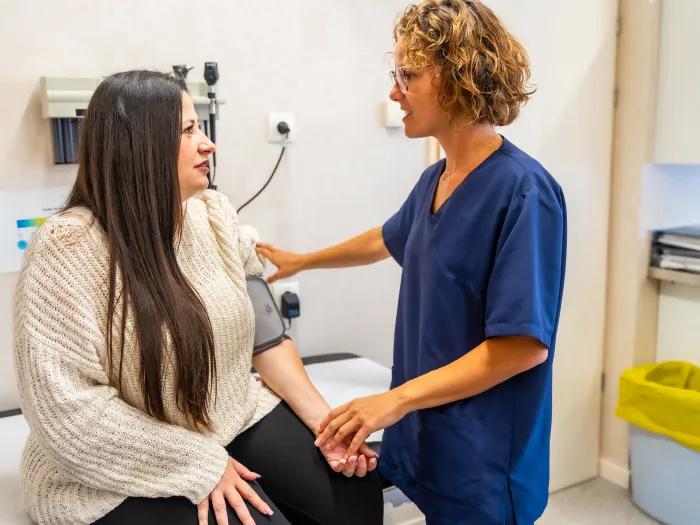
Medial Collateral Ligament (MCL) Injuries
Medial Collateral Ligament (MCL) Injuries
What are Medial Collateral Ligament (MCL) injuries?
The medial collateral ligament (MCL) is one of four ligaments that keep the knee joint stable. The MCL spans the distance from the end of the femur (thigh bone) to the top of the tibia (shin bone) and is on the inner side of the knee joint. That's why it's so painful when the ligament is stretched too much or torn. The ligament is usually injured when the outside of the knee joint is struck, during sports or an accident, for example. MCL injuries can occur by themselves or with other injuries such as an ACL or meniscus tear.
Our Approach
If you have - or suspect you have - an MCL injury or tear, you should know that the physicians at U-M Health have the expertise to diagnose and treat this painful condition. We are among the oldest and most well-regarded orthopaedic units in the country, performing more ACL, MCL, PCL and meniscus operations than some hospitals do in a five-year period. We take an integrated, multidisciplinary approach that brings together the skills of all areas of our health system that will be involved in your care. Our goal is to improve the quality of your life. Note: If you have suffered a trauma it's important to seek treatment as soon you can, or you could risk further complications such as stiffness, prolonged pain or scar tissue in the joint. Getting that diagnosis quickly and accurately means we can treat you while the injury is simpler to treat.
Sports Medicine at U-M Health
Do you have a sports injury that's affecting your performance or ability to play? Learn more about our sports medicine care and how to make an appointment with one of our experts.
Appointment Information
You're about to make an important decision, and we want to help you make a good one. Because we are highly experienced in successfully treating all types of knee pain, including MCL tears and injuries, we would like to help you explore your options. Our staff will be glad to talk with you about your options and how we can help.
- MedSport: 877-877-9333 or 734-930-7400
- Orthopaedics: 734-936-5780
- Physical Medicine & Rehabilitation (PMR): 734-936-7175
What are the symptoms of an MCL injury?
Some typical symptoms include:
- Bruising
- Feeling that the knee is unstable, may give out or may buckle
- Pain directly over the ligament (the most common symptom)
- Swelling of the torn ligament and/or knee joint
How is an MCL injury diagnosed?
We will take your complete medical history, ask you about your pattern of symptoms and conduct a physical exam. We can diagnose an MCL during a physical exam. We may conduct tests such as X-rays. We may also order an MRI to determine the severity of the MCL injury and determine if there are other related injuries. Then we will use all of this information to develop an individualized treatment plan for you.
How is an MCL injury treated?
Most MCL tears don't require surgery, and we like to take a non-surgical approach first. Your doctor may recommend treatments such as:
- Anti-inflammatory medicine
- Ice
- Crutches, brace or splint
- Physical therapy - U-M Health has a top-notch Physical Therapy & Rehabilitation unit that is fully ready to take part in your care and set you on the path to a pain-free life.
- Reducing activity for awhile
- Rest
- RICE (Rest, Ice, Compression and Elevation is very important acutely).
The most important component in full recovery is physical therapy.
Locations
-
Orthopaedic Sports Medicine Clinic | Northville Health Center 39901 Traditions Dr
Floor 1
Northville, MI 48168-9493Get Directions -
Orthopaedic Sports Medicine Program | Domino's Farms 24 Frank Lloyd Wright Dr Ste 1000
Lobby A
Ann Arbor, MI 48105-9484Get Directions -
Orthopaedic Surgery Clinic | Brighton Center for Specialty Care 7500 Challis Rd
Entrance 1, Level 1
Brighton, MI 48116-9416Get Directions -
Pediatric Rheumatology Clinic | Northville Health Center 39901 Traditions Dr
Floor 2
Northville, MI 48168-9493Get Directions -
Rheumatology Clinic | Northville Health Center 39901 Traditions Dr
Floor 1
Northville, MI 48168-9493Get Directions
Doctors
Andrea Lynn Aagesen, DO
Clinical Associate Professor
Physical Medicine & Rehabilitation, Sports Medicine
Asheesh Bedi, MD
Professor
Orthopedic Surgery, Sports Medicine
Eileen Aidan Crawford, MD
Clinical Associate Professor
Orthopedic Surgery, Sports Medicine
John Andrew Grant, MD
Clinical Associate Professor
Orthopedic Surgery, Sports Medicine
Ann Therese Laidlaw, MD
Clinical Assistant Professor
Physical Medicine & Rehabilitation, Electrodiagnostic Medicine, Sports Medicine
Bruce Scott Miller, MD
Professor
Orthopedic Surgery, Sports Medicine

David Parker Patterson, MD
Clinical Assistant Professor
Orthopedic Surgery, Sports Medicine

Edward Michael Wojtys, MD
Professor
Orthopedic Surgery, Sports Medicine
News & Stories
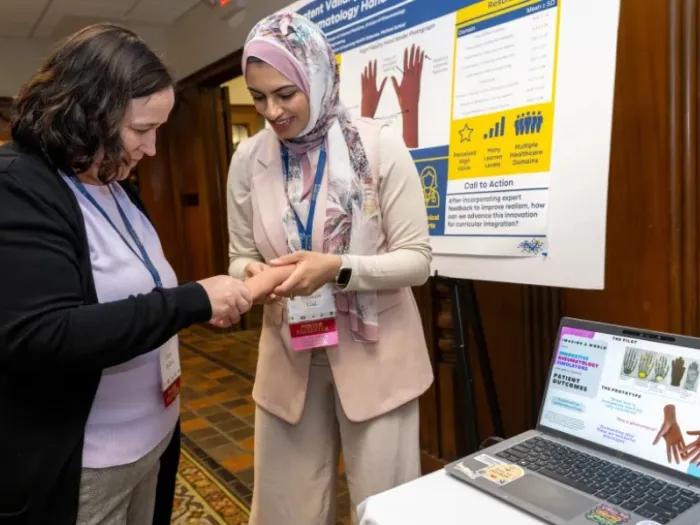
Rethinking how clinicians learn to feel disease
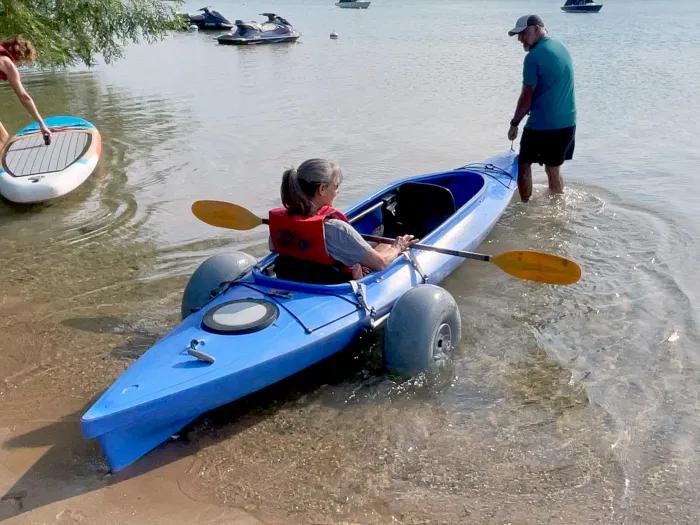
Expanding camp adventure for all
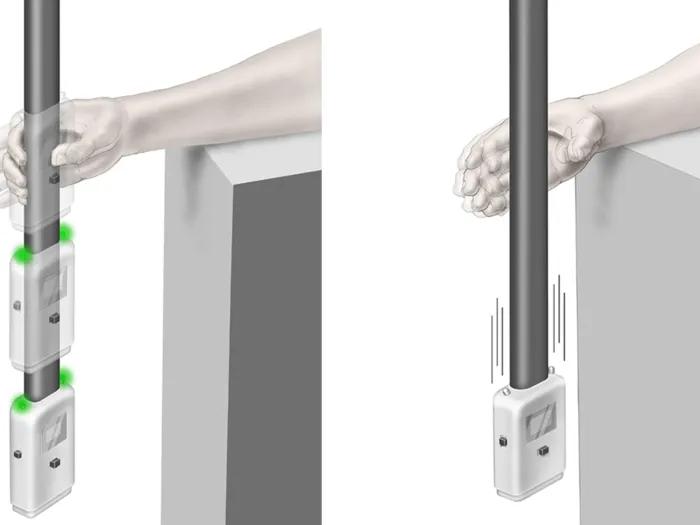
A method to prevent falls before they happen
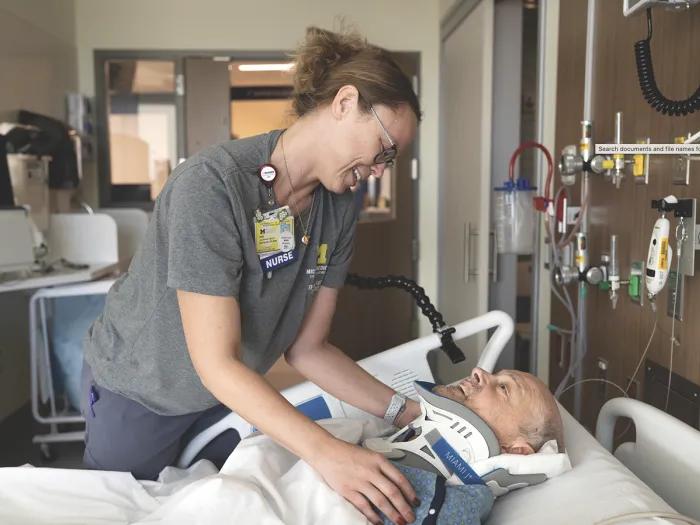
Giving with gratitude: planned gifts support nursing, research, and patient care
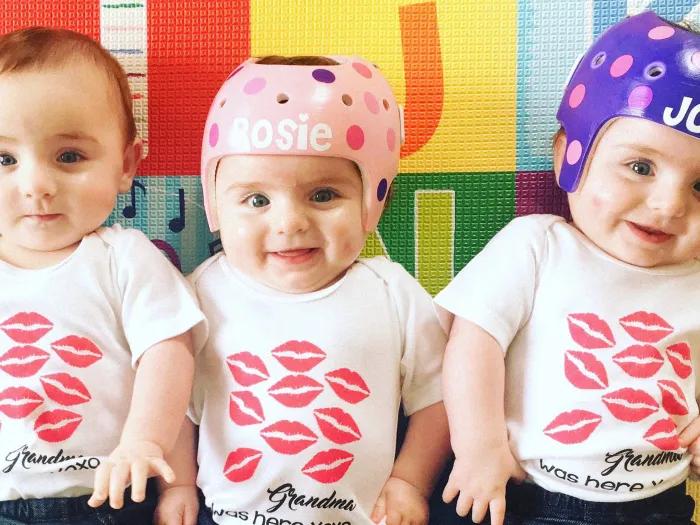
A smarter helmet for the smallest patients