Inflammatory Bowel Disease Program
Inflammatory Bowel Disease Program
The Inflammatory Bowel Disease Program at U-M Health is an internationally recognized group of clinicians, surgeons and researchers dedicated to the management of the inflammatory bowel diseases, such as Crohn's Disease and Ulcerative Colitis.
Our Approach
Crohn's Disease and Ulcerative Colitis present unique challenges requiring specialty expertise and a multidisciplinary approach to your care. Every year, our program sees thousands of patients with Inflammatory Bowel Disease, providing valuable consultations for patients. Experienced medical decision-making, expert surgical knowledge, dedicated nutritional support services, and access to new treatments and clinical trials all merge to provide complete care for Crohn's disease and ulcerative colitis.
The IBD Program is led by Peter Higgins, MD, PhD, MSc (Head of IBD) and Shrinivas Bishu, MD (Clinical Director). Dr. Higgins and Dr. Bishu are supported by an experienced team of physicians, surgeons, physician assistants, behavioral health psychologists, and nutrition and diet specialists.
Additionally, because many patients are diagnosed with IBD in their late teens, we work to help patients adjust more easily to adulthood and ensure their healthcare remains a priority.
The Importance of Good Nutrition
Achieving and maintaining good nutrition is key to the successful treatment of Inflammatory Bowel Diseases. Consuming a balanced diet supports good energy levels, a strong immune system, and can help prevent micronutrient deficiencies, as well as malnutrition.
Meet with a registered dietitian for a comprehensive review of dietary factors that may be affecting your health or symptoms. We provide individualized nutrition care and counseling for patients in the Inflammatory Bowel Disease Program. We specialize in specific diets that can significantly improve gastrointestinal symptoms, including low FODMAP, low oxalate, low residue and gluten-free diets.
Services
To diagnose Crohn’s disease or colitis, we start with a comprehensive examination and collect a thorough history. A number of tests are needed to confirm diagnosis. They may include:
- Colonoscopy and flexible sigmoidoscopy: Used for initial diagnosis, both use a thin, flexible tube with camera to examine different areas, including the colon, small intestine and large intestine to see any ulcers, bleeding and inflammation.
- Upper endoscopy: Uses a thin, flexible tube with camera inserted through the mouth, following the tract to the stomach and upper small intestine to look for bleeding, ulcers and inflammation.
- Capsule endoscopy: A capsule containing a camera is swallowed by the patient to take pictures along the digestive tract not easily reachable by other procedures (capsule passes normally in the stool).
- Laboratory tests: Blood work plus stool samples to check for bacteria and intestinal bleeding.
- CT interography and MR interography: Specialized radiology tests that evaluate the small intestine, an area of the gastrointestinal tract that is beyond the reach of colonoscopy and upper endoscopy, but is often where Crohn’s disease is present.
- Imaging tests: Collaborating with experts in Radiology for imaging and interpreting gastrointestinal abnormalities, including abdominal x-rays, barium enema, computed tomography (CT scan), fistulogram (for patients with Crohn’s disease to examine fistulas) and MRI.
Our team offers broad-based knowledge in every area of IBD treatment, including innovative immune-suppressing drug therapy. And, we can offer patients treatment options only available in large centers such as ours. The type of treatment varies from patient to patient. We determine treatment based on symptoms, severity and other characteristics of the disease and then customize to fit your individual needs. IBD treatments include:
- Medicines: A wide variety of medications can be used to treat both Crohn’s disease and ulcerative colitis.
- Surgery: Lack of response or intolerance to medications, inability to maintain diet, lifestyle changes or pre-cancer cells are all possible reasons for surgery. There are a number of surgical options. If perforation or massive bleeding occurs, emergency surgery is usually required.
- Therapeutic trials in clinical research: We have an active and robust clinical studies and research program, which includes access to investigational therapies and receiving closer monitoring.
- Diet: Changes in diet and nutrition reduce irritation and aggravation of symptoms. Our nutritionist will work with you to help you create a plan and answer your questions.
- Complementary and alternative medicine: Some new alternative treatments for IBD are being studied at the University of Michigan. While there is no secret cure available on the Internet or via a supplement, and some supplements can even be dangerous for a person with inflammatory bowel disease, experts are still learning about alternative therapies, and we are glad to discuss these options with our patients.
Appointment Information
To schedule an appointment to discuss treatment for IBD, call us at 888-229-7408.
U-M Health is also home to a Pediatric Inflammatory Bowel Disease Program.
Research
Since the Gastroenterology & Hepatology division began in 1947, U-M Health has provided national leadership in gastroenterology and has consistently been among the top centers funded by the National Institutes of Health.
The Inflammatory Bowel Disease Program continues that tradition of research achievement. Our research physicians study the molecular and genetic causes of Crohn's disease and ulcerative colitis to help better understand the underlying causes and mechanisms of these conditions. We are also engaged in clinical research to discover new methods of diagnosing, monitoring, and treating inflammatory bowel disease, supported by millions of dollars of competitive research funding. Our world-class research program collaborates with other centers internationally to improve the lives of people suffering from the inflammatory bowel disease.
Patient Resources
What you should know about Crohn’s and Ulcerative Colitis:
- Inflammatory Bowel Disease (IBD) is an umbrella term that Crohn’s disease and ulcerative colitis fall under.
- Crohn's disease and colitis are easily confused because both have similar symptoms and treatments, but also distinct differences. With a series of tests, your doctor can usually tell ulcerative colitis from Crohn’s disease; however, in some cases the two diseases can’t be distinguished from each other.
- The diseases affect men and women about equally.
- While the diseases can occur at any age, they often start between the ages of 15 and 25 and last a lifetime.
- Crohn’s disease is more common in people with a family history of the disease.
- Ulcerative colitis affects about 600,000 people in the U.S, while Crohn’s disease affects about 700,000 people.
To help you, your friends and family better understand Crohn's disease and ulcerative colitis, we’ve created a series of short, educational videos about Inflammatory Bowel Disease called IBD School. This video series was created so you can be sure your information is reliable. We also make sure it’s easy to understand. Our goals are for you to understand your disease, understand your choices of tests and treatments, and make more informed decisions that will improve your health and well being.
You can also download the Inflammatory Bowel Disease Program Patient Information Guide. This resource will help you take an active role in your medical care. It will also help you understand inflammatory bowel disease and how it will impact your life. We have included our contact information, as well as pages to record your test results and current medicines. You will also find information about treatment options and other helpful resources.
Is there a cure?
No, IBD cannot be cured. There will be periods of remission when the disease is not active. Medicines can reduce inflammation and increase the number and length of periods of remission, but there is no cure.
How long will IBD last?
IBD is a lifelong (chronic) condition. A few patients find their disease becomes milder (“burned out”) after age 60, but many do not.
Do I have to take medicine forever?
Probably. IBD is a chronic disease, and most patients need a maintenance medicine to ease symptoms and reduce the number and severity of flares. Most maintenance medicines act fairly slowly, so if you have an active flare, you may need to take additional medicine temporarily.
Are there some medicines that can get me out of a flare quickly?
Yes. These are not necessarily used long term because of side effects. Patients will often change over from rescue medicines to long-term maintenance medicines. Rescue medicines include steroids such as prednisone and cyclosporine.
Why do I need to keep taking medicines when I feel well?
It’s important to keep taking maintenance medicines because they reduce the recurrence of flares. For biologic medicines (like infliximab, adalimumab, and certolizumab) it is important to keep taking them to prevent the formation of antibodies against the medicine. The formation of antibodies can lead to allergic reactions and loss of benefit from the medicine. Taking biologic medicines regularly can maintain their good effect.
Why might I need a colonoscopy?
A colonoscopy is used to make the initial diagnosis of Crohn’s disease or ulcerative colitis. A colonoscopy can also assess the symptoms of IBD flares and the response to treatment. A third important use of a colonoscopy is to screen for early colon cancer or to look for abnormal cells that may turn into cancer cells.
Will surgery cure my IBD?
No, but surgery can be very helpful. For patients with ulcerative colitis, removal of 97% of the colon dramatically reduces symptoms. Surgery is no picnic, but it can often dramatically improve the quality of life of someone with severe colitis. There are several ways to reconnect the intestine after the colon is removed, each of which has pros and cons.
The effect of surgery for Crohn’s disease can often be like pushing a giant reset button, as surgery can remove scarred tissue and strictures, fistulas and abscesses that cause a lot of symptoms for which medicines are not very effective. After surgery for Crohn’s disease, maintenance medicines are often more effective and help prevent further complications that lead to requiring further surgery in the future.
Is it dangerous to suppress (weaken) the immune system for the rest of my life?
There are some risks in suppressing or weakening your immune system. Viruses that stay in your body, like the chicken pox virus, are more likely to be activated (cause shingles) in people taking immunosuppressives such as azathioprine and methotrexate. Bacterial infections of the skin and soft tissues are more likely in people taking anti-TNF medicines. However, for many, all these risks are outweighed by the risks of complications of IBD, which accumulate over time.
You can reduce some of these risks. You can discuss early vaccination with your doctor. Also, after some years in remission some patients take a “drug holiday” and stop the immunosuppressive medicine with close monitoring by their doctor for any recurrence of inflammation. If you are on anti-TNF therapy and you are in the final trimester of pregnancy or going to have an operation, your doctor may adjust your dosing schedule to minimize complications.
Could any condition other than IBD be causing my symptoms?
Yes. Patients with IBD can get IBD-like symptoms for other reasons. Infections can cause diarrhea. Previous inflammation can cause increased sensitivity of the nerves in the intestine and make you very sensitive to intestinal cramping. Overgrowth of bacteria in the small intestine can cause cramping and gas. This is why you should visit a health care provider if there is a change in your symptoms because it might not be a flare of IBD.
Why shouldn’t my pain be treated with narcotics?
Narcotics treat the symptoms, not the cause (inflammation) of IBD. Narcotics can make the inflammation worse. Research has shown that patients with IBD who use narcotics are more likely to have severe abdominal infections (abscesses), strictures and intestinal obstruction. We try to avoid prescribing narcotics for IBD because they seem to be harmful.
Why not just take prednisone whenever I have a flare?
Prednisone has many side effects, including bone loss, diabetes, cataracts, emotional distress and severe acne, which make us want to minimize the use of prednisone as much as possible. In addition, the longer prednisone or other steroids are used, the less likely they are to work. That’s why we like to save prednisone for when (and if) you really need it to rescue you from a flare. Maintenance medicines are designed to reduce your flares in both number and severity. Therefore, you shouldn’t need to take prednisone as often. There is also evidence that taking maintenance medicine and reducing inflammation in the colon reduces colon cancer.
Locations
-
Gastroenterology Clinic | Brighton Center for Specialty Care 7500 Challis Rd
Entrance 1, Level 2
Brighton, MI 48116-9416Get Directions -
Gastroenterology Clinic | Northville Health Center 39901 Traditions Dr
Floor 2
Northville, MI 48168-9493Get Directions -
Gastroenterology Clinic | Taubman Center 1500 E Medical Center Dr
Floor 3 Reception D
Ann Arbor, MI 48109-2435Get Directions
Doctors

Jeremy Adler, MD, MSc
Clinical Professor
Pediatric Gastroenterology, Pediatrics

Jeffrey Aaron Berinstein, MD, MSc
Assistant Professor
Gastroenterology, Internal Medicine

Shrinivas Bishu, MD
Assistant Professor
Gastroenterology, Internal Medicine

Kelly Colleen Cushing-Damm, MD
Assistant Professor
Gastroenterology, Internal Medicine

John Del Valle, MD
Professor
Gastroenterology, Internal Medicine

Peter Doyle Higgins, MD, PhD
Professor
Gastroenterology, Internal Medicine

Gifty Kwakye, MD, MPH
Clinical Professor
Colon & Rectal Surgery, Surgery
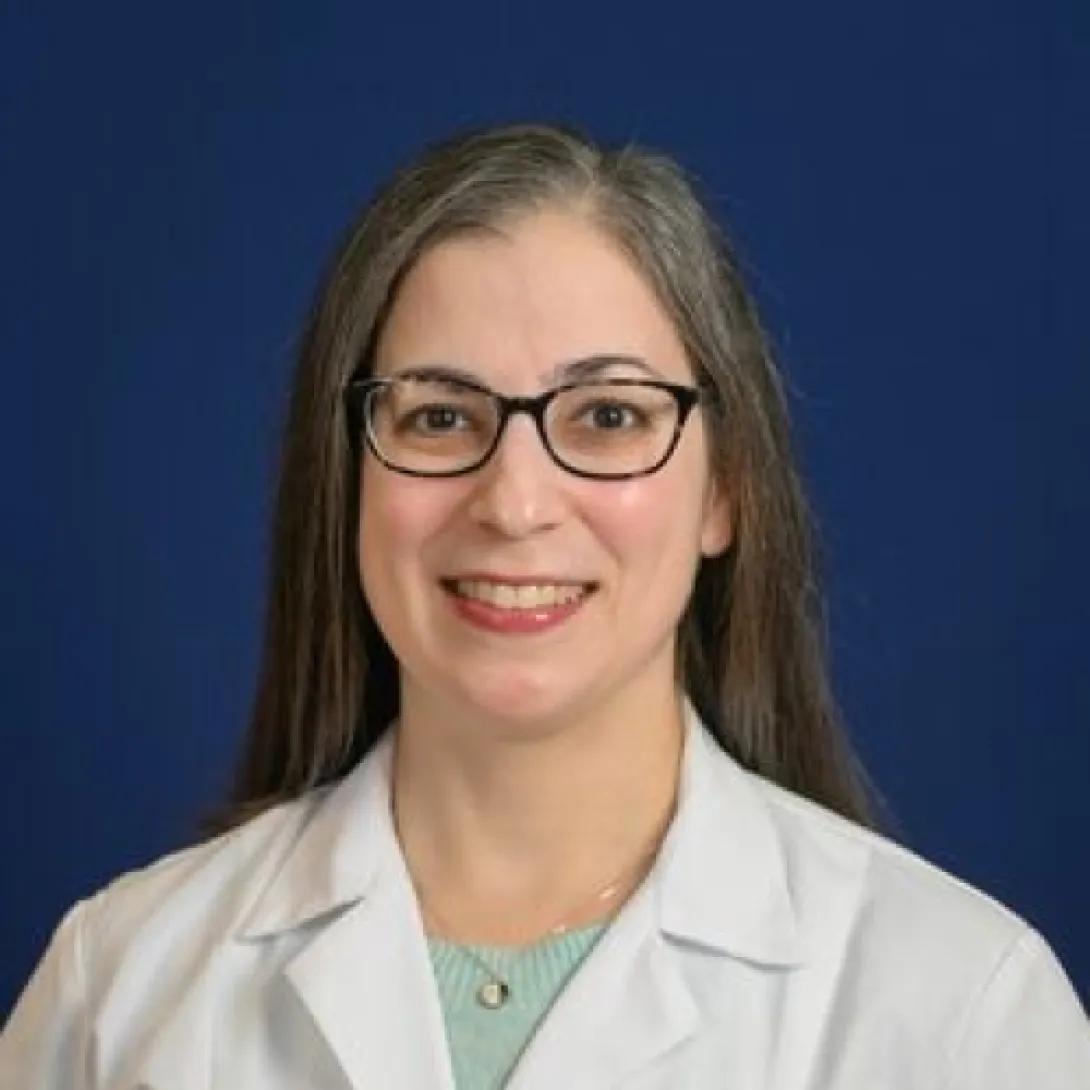
Beth Rose Manoogian, MD
Clinical Assistant Professor
Gastroenterology, Internal Medicine

Scott Ellis Regenbogen, MD
Professor
Colon & Rectal Surgery, Surgery
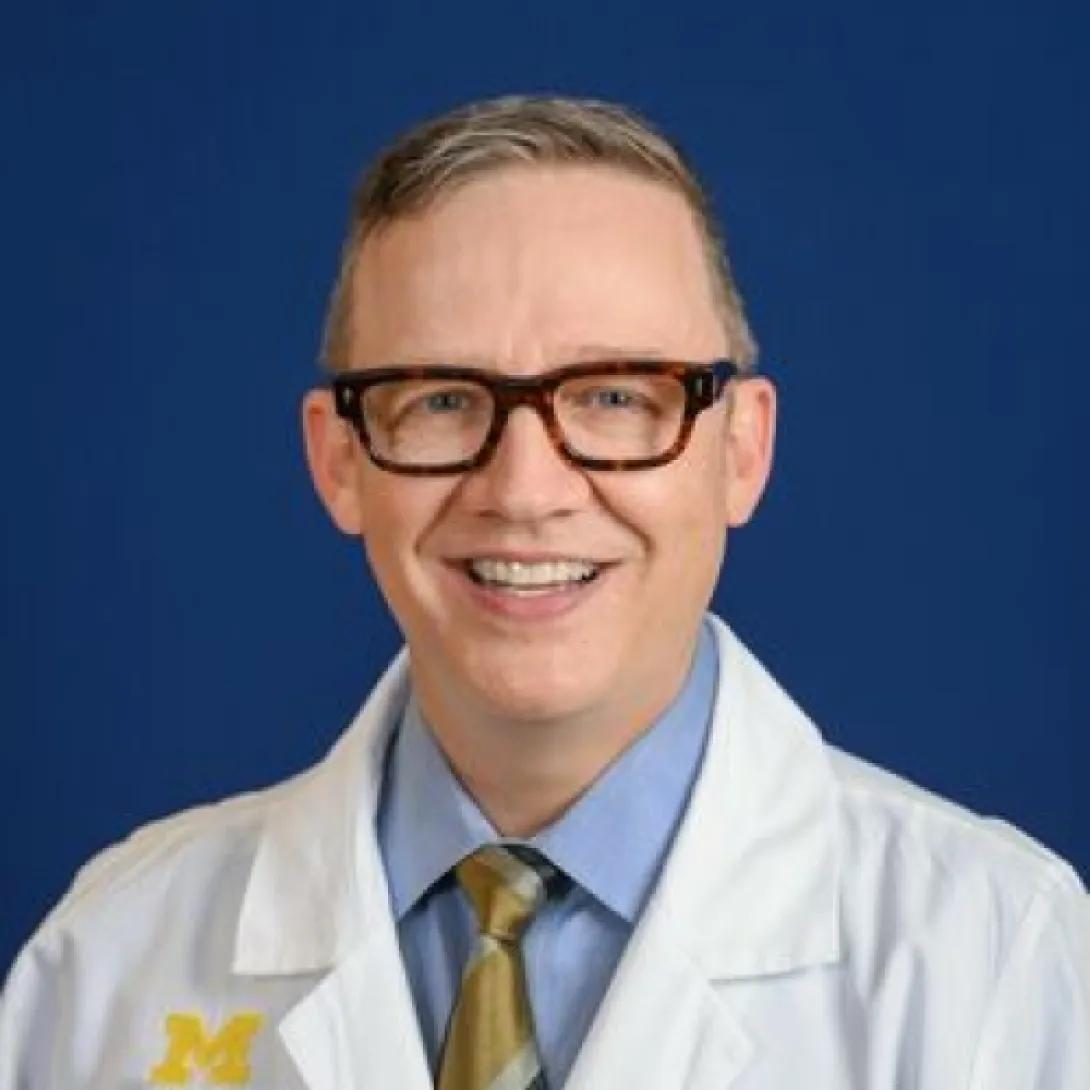
Michael David Rice, MD
Clinical Associate Professor
Gastroenterology, Internal Medicine



Providers

Kristen Ann Boardman, PA-C
Physician Assistant
Physician Assistant

Christine Alese Erickson, PA-C
Physician Assistant
Physician Assistant
News & Stories

Physicians investigate Reddit to better understand self management of inflammatory bowel disease
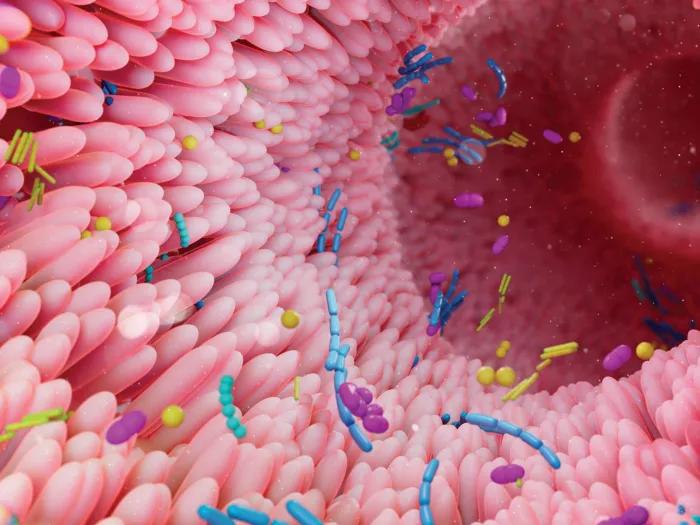
Low FODMAP diet improves leaky gut in study
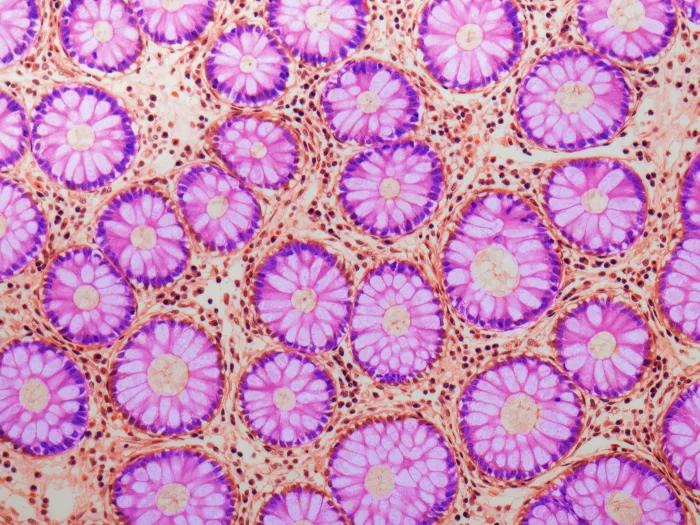
Research links iron-mediated cell death and inflammatory bowel disease

How a phone call led Michigan Medicine to become a leader in treating severe ulcerative colitis

Psoriasis, Diabetes and Other Inflammatory Conditions