
Kara Gavin
Research and Policy Media Relations Manager
Gavin draws on more than 25 years of experience in communicating about science, medicine and health policy. She focuses mainly on the health services research done by members of the U-M Institute for Healthcare Policy and Innovation, who work to understand and improve the safety, quality, equity and affordability of health care. As part of the Michigan Medicine communication team, she has lead responsibility for primary care and mental health topics. Contact: [email protected]; Twitter: @Karag

Health Lab
What makes someone leave a Medicare Advantage plan?
Medicare Advantage plans are the health insurance for half of all older adults; a study looks at what makes someone leave a plan or leave Medicare Advantage for traditional Medicare

Health Lab
What will it take to reduce primary care doctor burnout?
Primary care doctors are burning out in part because of the flood patient portal messages they receive. New research shows female doctors are most affected, and points to ways to reduce burden.

Health Lab
More young adults than ever take HIV-prevention medication, but gaps remain
The use of PrEP (treatment that can protect someone from acquiring HIV) has risen in young adults but gaps still remain, a study finds.

Health Lab
Could personality tests help make bipolar disorder treatment more precise?
Bipolar disorder treatment could become more precisely focused if guided by the results of personality tests that reveal personality styles, or combinations of personality traits.

Health Lab
1 in 4 kids live with parents who have alcohol or other drug problems
Children living with parents who have addiction issues, also called substance used disorder, have higher risks later in life. A new study shows 1 in 4 currently live in such households.

Health Lab
What does Medicaid do?
Medicaid provides health insurance coverage for tens of millions of American children and adults. Research on its impact shows positive effects in many ways.

Health Lab
Medicaid unwinding linked to opioid addiction treatment disruptions
Buprenorphine prescription interruptions were most common in states that had the biggest coverage drops during Medicaid unwinding; study has importance for future Medicaid policy.

Health Lab
Medicaid unwinding disrupted young people’s access to chronic disease medicines
Children and young adults living in the states with the highest Medicaid enrollment drops during the “unwinding” process were more likely to have disruptions in mental health, asthma and epilepsy medication.
Health Lab
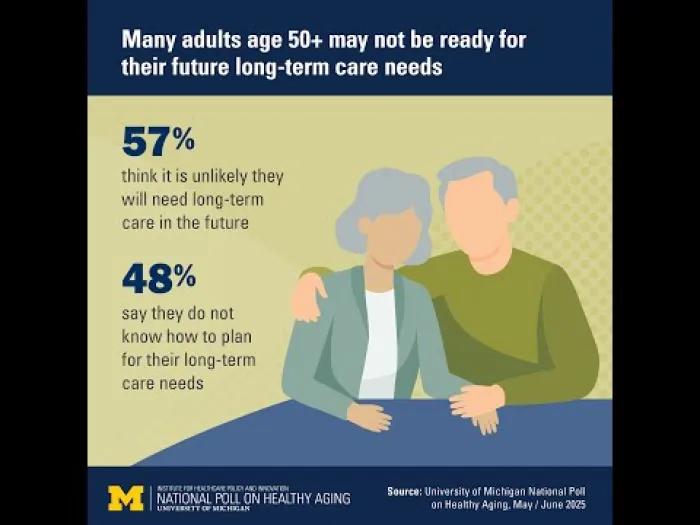
Poll reveals short term thinking about long term care
Poll of people over 50 shows most haven’t signed legal documents, discussed their wishes with family or friends, or done other things to plan for long term care needs.

Health Lab
To keep high risk patients out of hospitals, at-home monitoring shows promise
Remote patient monitoring at home was associated with a major reduction in hospitalization in high risk patients.

Health Lab
Medicaid telehealth study shows positive impacts
The ability to see doctors and other providers via telehealth improved low income Medicaid participants’ access to care in Michigan

Health Lab
Investing in COVID-19 vaccination more than paid off for U.S.
The money spent to develop, test, buy and administer the first COVID-19 vaccine was more than made up for by prevented medical care and lost productivity.

News Release
Quitting menthol cigarettes is extra hard, but a new U-M study will test the best way to do it
A multimillion dollar study will test two methods of helping people quit the highly addictive menthol form of cigarettes, including one that will use breath monitoring.

Health Lab
Many older adults send their doctors portal messages, but who pays?
Patient portal messages between doctors and older adults are common, but can cost the patient money. A study shows that people with Medicaid coverage are billed as often as those with private insurance.

Health Lab
Most older adults want insurance to cover obesity drugs and many want to use them
Medicare and most private insurance plans don’t cover anti-obesity medications like Wegovy (also sold as Ozempic), but a new poll of older adults shows widespread support and interest in using them.
