
Kara Gavin
Research and Policy Media Relations Manager
Gavin draws on more than 25 years of experience in communicating about science, medicine and health policy. She focuses mainly on the health services research done by members of the U-M Institute for Healthcare Policy and Innovation, who work to understand and improve the safety, quality, equity and affordability of health care. As part of the Michigan Medicine communication team, she has lead responsibility for primary care and mental health topics. Contact: [email protected]; Twitter: @Karag


Health Lab
Many older adults show signs of ultra-processed food addiction
Addiction to ultra-processed foods – sometimes called “junk” foods – is especially high among Generation X women and older adults who call themselves overweight

Health Lab
Pairing up for health visits helps most older adults who try it
A poll looks at “care companions” who go to doctor’s appointments and other health care visits with someone else.

Health Lab
Small rewards lead to big wins for saving veterans' lives
Contingency management, which offers people small rewards for progress in recovering from drug addiction, was linked to fewer deaths in veterans with methamphetamine, cocaine or prescription drug issues.

Health Lab
Broad COVID-19 vaccination makes economic sense, especially for older adults
COVID-19 vaccination of people over 65 would save the country money, and vaccination of younger groups of adults would be a reasonable investment

Health Lab
Wait times for emergency hospitalization keep getting higher
Emergency department boarding of admitted patients to hospital beds has risen steadily and peaks in winter months.
Health Lab
Medicare could save $3.6B without risk to older adults, study suggests
Medicare spends a lot of on low-value care that could be cut without risk to patients, a new study finds.
Health Lab
As Medicare turns 60, research shows more need for enrollment help
Medicare research shows many older adults don’t get help or don’t use the internet to pick a plan that’s right for them, and that people with dementia make similar choices to those without.

Health Lab
Older adults and AI: Poll suggests a wary welcome
Artificial intelligence (AI) use by older adults may help them age in place and find health information but many are concerned about risks and want transparency.

Health Lab
How to help someone, or yourself, in a mental health crisis
Mental health crisis care options have grown, from the 988 suicide lifeline to behavioral health urgent care, partial hospitalization and more, as this explainer of care levels describes.

Health Lab
Top 10 things to know about your health costs right now
Medicaid, Medicare, medical debt rules and Obamacare Marketplace insurance plans are being affected by actions by the Supreme Court, Congress and President Trump's administration.

Health Lab
What does the Supreme Court's preventive care ruling mean for you?
The ruling in a court case called Kennedy vs. Braidwood relates to a popular Affordable Care Act provision
News Release
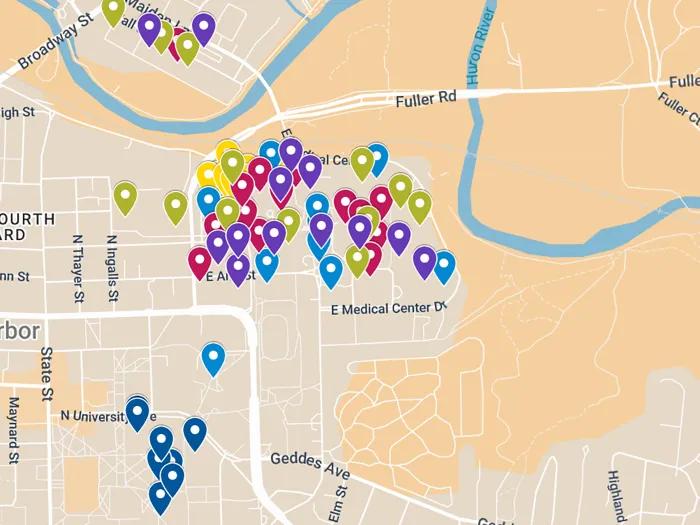
From the Diag to the world: 175 years of U-M medical history
An interactive map and article that trace the history of Michigan Medicine

Health Lab
Older adults vary widely in preparing to “age in place”
Aging in place, or staying in your own home as you grow older, is key goal for many older adults, but a poll shows wide variation in what people over 65 are doing to prepare.
Health Lab
Heat wave survival tips from an emergency physician
How to avoid or recognize heat exhaustion or heat stroke, what groups of people are most at risk of these heat-related illnesses, and heat wave power outage tips

News Release
Medical School recognized for preserving history
The U-M Medical School's celebration of its 175th anniversary and preservation of a historic structure has been recognized by the Ann Arbor Historic District Commission
