
Kara Gavin
Research and Policy Media Relations Manager
Gavin draws on more than 25 years of experience in communicating about science, medicine and health policy. She focuses mainly on the health services research done by members of the U-M Institute for Healthcare Policy and Innovation, who work to understand and improve the safety, quality, equity and affordability of health care. As part of the Michigan Medicine communication team, she has lead responsibility for primary care and mental health topics. Contact: [email protected]; Twitter: @Karag


Health Lab
Many primary care providers and patients wary of discussing firearms
Screening primary care patients for gun ownership has been recommended especially for people with mental health issues. A Michigan Medicinestudy shows wariness by providers and patients.

Health Lab
High rate of mental health problems and political extremism found in those who bought firearms during COVID pandemic
Firearm purchases rose during the pandemic and a survey shows high rates of mental health issues and political extremism among those who bought guns during 2020 and 2021.

Health Lab
As Medicaid ‘unwinding’ continues, Michigan report provides key insights
Medicaid expansion’s impact on low-income Michigan residents included reduced uninsurance, increased primary and preventive care, and better financial health.
Health Lab
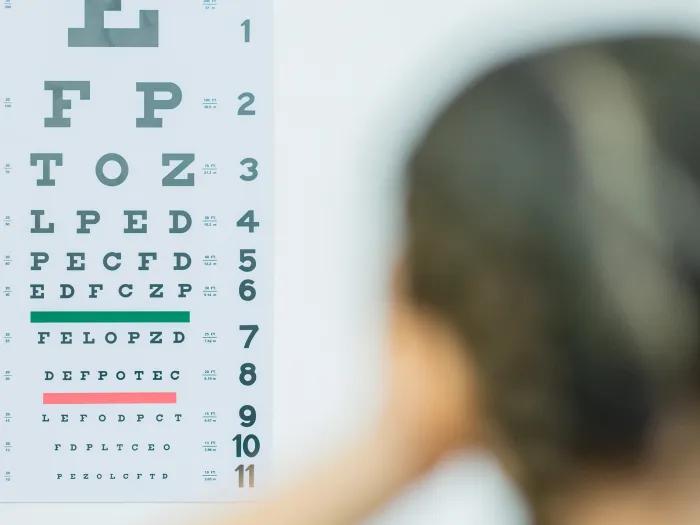
Few children – especially those with safety-net insurance – get vision checked at checkups
Few children are getting eyes checked at their pediatrician or other regular doctor’s office, and rates vary greatly by insurance status.
Health Lab
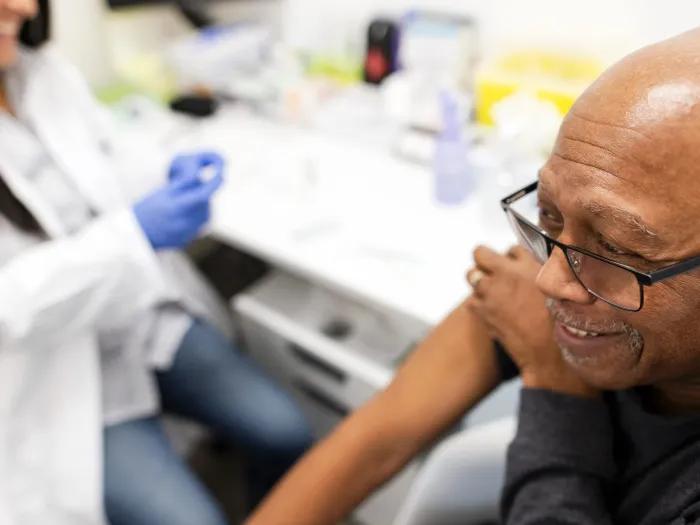
Many older adults want RSV vaccine, poll shows
RSV vaccines are now available to older adults for the first time; a poll gauges awareness and interest among those over 60.
Health Lab
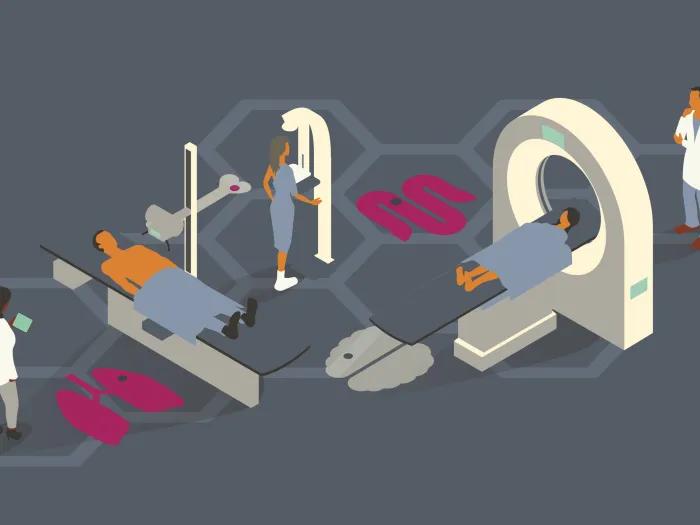
Cancer screenings have saved the U.S. at least $6.5 trillion
Mammograms, Pap tests, colonoscopies and lung CT scans have the power to detect cancer early and save lives – a new study tallies up the savings in both years and dollars.
Health Lab
Chronic pain patients who take opioids need better care and coverage
People with chronic pain who take opioids have trouble finding multimodal pain care; insurance and provider education changes are needed, experts say
Health Lab
Can AI help hospitals spot patients in need of extra non-medical assistance?
Needs related to housing, transportation, food, social support and more can be identified through AI/ML techniques
Health Lab
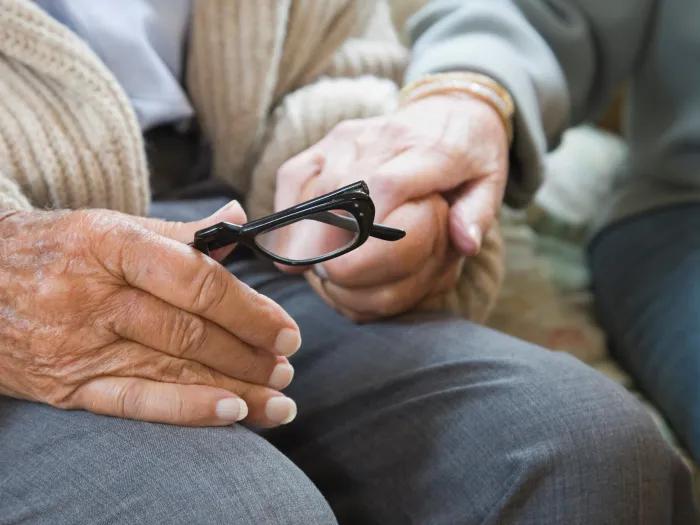
Study shows dementia more common in older adults with vision issues
A link between vision issues in older adults and an increased likelihood of dementia.
Health Lab
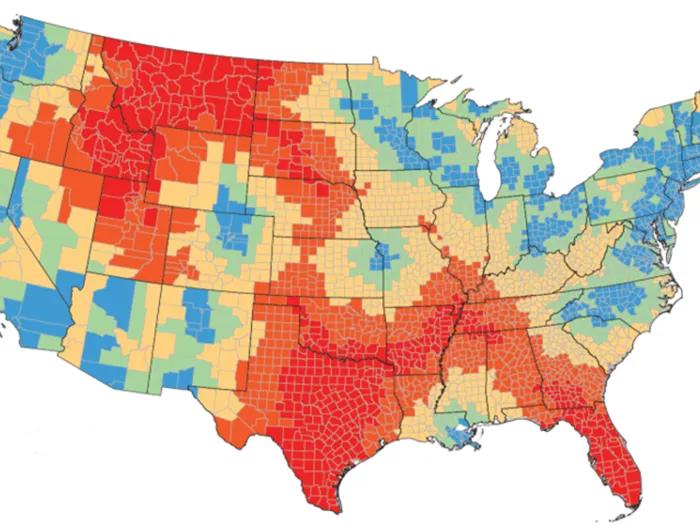
Mapping the changing landscape of gender-affirming care for teens
Gender-affirming care for transgender teens is restricted or may be soon in 20 states; this has increased travel time to available clinics

Health Lab
Dementia becomes an emergency 1.4 million times a year
People with Alzheimer’s and other forms of dementia account for a large percentage of emergency visits by older adults, but some of those crises could be prevented.

Health Lab
Early signs of Alzheimer’s: Most older adults see the value of screening but haven’t been tested
Screening for dementia, Alzheimer’s disease and cognitive impairment is something most older adults want for themselves or feel others their age should have access to.

Health Lab
Michiganders now rely on telehealth for care. What’s next?
The rapid rise in telehealth and telemedicine use during the pandemic helped increase access to care for people in rural areas especially those with mental health provider shortages.

Health Lab
Expanding Medicaid improved care without crowding out other patients
Medicaid expansion associated with rise in doctor’s appointments that included high value care, while not leading to a reduction in visits by people with other forms of insurance.

Health Lab
Study suggests need for iron tests in teen girls & young women
A national study of blood ferritin and hemoglobin levels from tween, teen and young adult females suggests routine screening might be needed for iron deficiency and anemia
