
Kara Gavin
Research and Policy Media Relations Manager
Gavin draws on more than 25 years of experience in communicating about science, medicine and health policy. She focuses mainly on the health services research done by members of the U-M Institute for Healthcare Policy and Innovation, who work to understand and improve the safety, quality, equity and affordability of health care. As part of the Michigan Medicine communication team, she has lead responsibility for primary care and mental health topics. Contact: [email protected]; Twitter: @Karag

Health Lab
1 in 8 older adults use cannabis products, suggesting need to screen for risks
The Michigan Medicine finding suggest a need for more education and screening of older adults for cannabis-related risks.

Health Lab
Long COVID happens in nursing homes, too
Post-acute sequelae of Sars-COV2 (PASC, long COVID) caused a decrease in independence and cognitive ability after coronavirus infection in nursing home residents
Health Lab
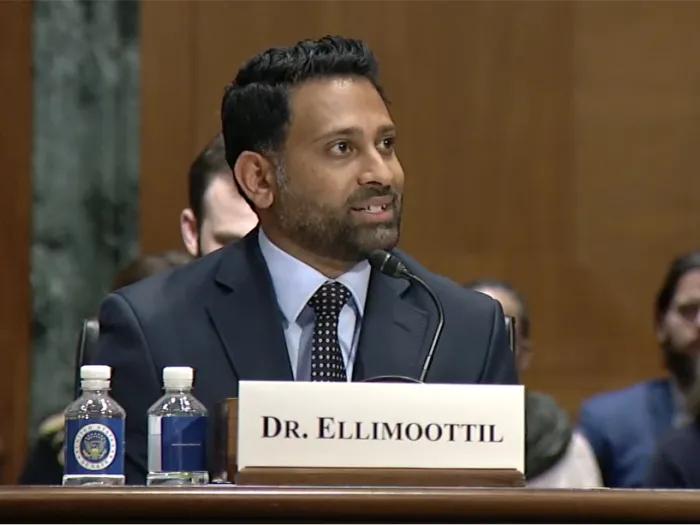
Keep telehealth alive and well, experts tell Senate subcommittee
Telehealth coverage by Medicare is scheduled to expire at the end of 2024; experts told Senators what they think should happen to preserve it.

Health Lab
Health plays a role in older adults' vulnerability to scams
Most older adults have faced an attempted scam, and some have been defrauded, but rates were higher among those with health problems or disabilities.
Health Lab
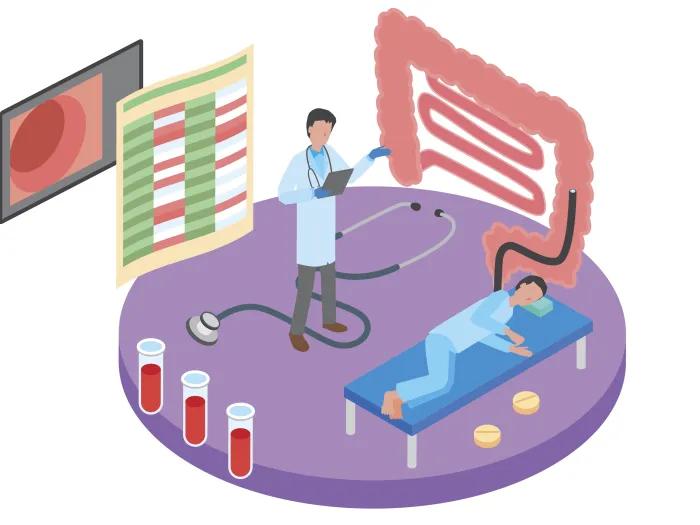
Investment in free follow up colonoscopies will pay off
Free colonoscopies for people whose at-home stool tests (such as Cologuard and FIT) turn up signs of potential cancer are now covered by insurance, and a study shows this will save money.

Health Lab
Dental opioid prescriptions still declining, but not as quickly as pre-pandemic
Dental pain treatment with opioid painkillers like Oxycontin and Oxycodone declined before and during the pandemic but the rate of decline slowed after 2020.

Health Lab
New COVID-19 vaccine a good value for U.S., U-M team finds
A cost effectiveness analysis of the updated COVID-19 vaccine shows that it will save money in older adults and give good value for other adults.

Health Lab
5 things to know about health insurance right now
Open enrollment season for Medicare, Healthcare.gov Obamacare plans, work-related insurance is here – and Medicaid enrollment renewal is due for many. How to get help.

News Release
U-M neuroscientist Huda Akil, Ph.D., wins National Medal of Science
Distinguished U-M neuroscientist Huda Akil, Ph.D., has received the nation’s highest scientific honor – the National Medal of Science -- for her contributions to science and their impact on humankind’s understanding of depression, anxiety, addiction and more.

Health Lab
Dementia’s financial and family impact
Dementia has far more impact on a person’s finances and their family members’ caregiving demands, compared with other health conditions in older adults, study suggests.

Health Lab
Opioid limits didn’t change surgery patients’ experience, study shows
Surgical opioid prescription limits reduced the number of narcotic pills patients received after their operations, but didn’t lead to worse pain scores or less satisfaction.

News Release
New $81M NIH grant will help U.S. answer urgent need for better dementia care
A massive new study will survey the healthcare workers who care for people with dementia in homes, nursing homes, assisted living, clinics and hospitals, to provide data for research and care improvement.

Health Lab
Should older adults, with fewer years to live, keep getting cancer screenings?
Cancer screening guidelines increasingly factor in how long a person has left to live, to guide whether to continue or stop screening. A new poll explores older adults’ attitudes toward this approach.

Health Lab
A training ground for healthcare innovators
Advanced programs in healthcare equip doctors, nurses, and others with the skills and knowledge needed for successful careers in health. Explore how Michigan’s Clinician Scholars Program can empower healthcare innovators across different disciplines and enhance medical education.
News Release
Phillip Rodgers, M.D., takes on primary care transformation as new chair of Family Medicine
Puts focus on population-based patient care from birth to end of life, developing core areas of research and training a new generation to lead primary care tomorrow
