Voice & Swallowing Disorders Program
Voice & Swallowing Disorders Program
A voice problem can be an indication of something as simple as viral laryngitis or as serious as vocal fold cancer. The U-M Health Voice Disorders Program provides comprehensive evaluation and treatment for disorders of the larynx and associated structures. This includes voice, swallowing and breathing problems, and encompasses both benign and malignant diseases.
Progressive hoarseness or voice change is something that should never be accepted. If you are experiencing persistent or progressive voice change, seek specialty care from the Voice Disorders Program, part of the Division of Laryngology, Rhinology and General Otolaryngology at U-M Health. For many types of voice disorders, we have the latest treatments that can resolve the problem.
Who We Treat
The problems we commonly treat include:
- Vocal fold lesions: nodules, cysts and polyps – noncancerous growths on or in the vocal fold (vocal cord)
- Vocal fold paralysis
- Muscle tension dysphonia: voice strain from tight muscles around larynx
- Respiratory papilloma: tumors in the larynx caused by the human papilloma virus
- Spasmodic dysphonia: involuntary movements of the larynx muscles
- Functional dysphonia: abnormal voice with no vocal disease
- Laryngo pharyngeal reflux: a backup of acid in the throat and voice box
- Dysphagia: difficulty swallowing
Services
We assess voice and swallowing problems first with a thorough patient history and general head and neck exam. A laryngologist and a voice therapist will also conduct a vocal capabilities assessment. We use laryngeal imaging with video stroboscopy (scoping the larynx to observe the appearance, the movement and the vibration of the vocal folds), which is an important tool for accurate diagnosis. Our voice therapist has instrumentation available for aerodynamic (disorders with air flow issues) and acoustic (frequencies of sound) evaluations. And videofluoroscopic (using x-ray and barium) swallow studies are available with a swallowing therapist to observe how different foods are chewed, swallowed and processed.
A variety of non-surgical treatment options are available, depending on the disorder and severity of disorder, including voice therapy, vocal rehabilitation, medication and voice hygiene education (healthy and unhealthy ways to use your voice). Surgical treatments include endoscopic laser microlaryngeal surgery (minimally invasive), and in some cases, open laryngeal surgery.
In addition to treating all types of people with voice problems, we also have expertise in taking care of occupational and professional voice users at the Vocal Health Center, a multidisciplinary clinic combining the expertise of a laryngologist and speech pathologist plus voice-training specialists from the University of Michigan School of Music, Theater and Dance.
Our specialists work together to provide innovative, tailored care for speaking or singing voices. We emphasize both treating and preventing voice disorders. Cutting-edge instrumentation is used for clinical voice evaluations, and the full range of medical and surgical therapeutic options are available to patients. Vocal professionals likely to benefit from this care include teachers, attorneys, clergy, singers, broadcast journalists, sportscasters, media personalities and actors.
Appointments
Schedule an appointment by calling us at 734-936-8051.
Locations
-
Otolaryngology Clinic | Brighton Center for Specialty Care 7500 Challis Rd
Entrance 1, Level 2
Brighton, MI 48116-9416Get Directions -
Otolaryngology Clinic | Northville Health Center 39901 Traditions Dr
Floor 2
Northville, MI 48168-9493Get Directions -
Vocal Health Center | Taubman Center 1500 E Medical Center Dr
Floor 1 Reception A
Ann Arbor, MI 48109-5312Get Directions
Doctors
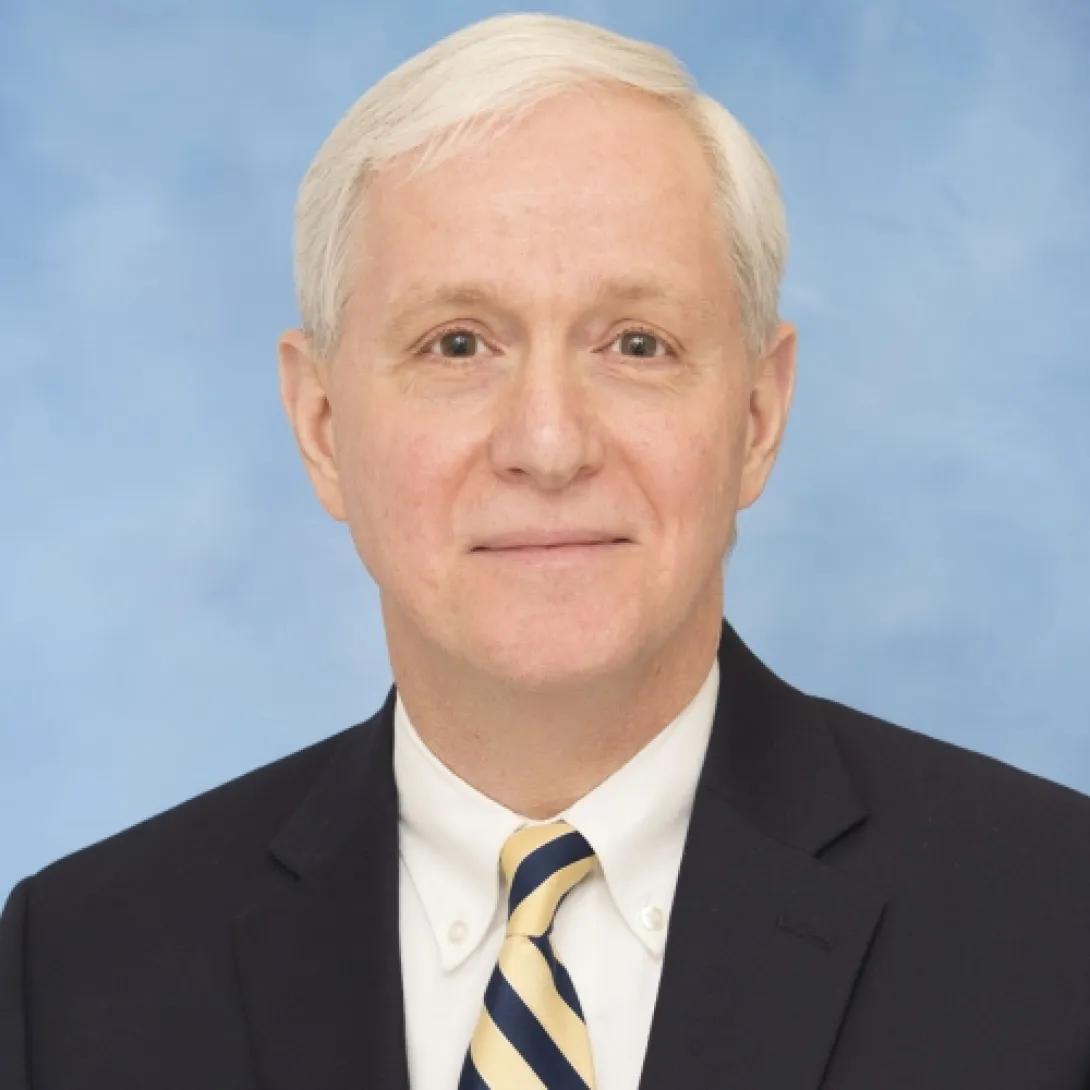
Norman Dertad Hogikyan, MD, F.A.C.S.
Professor
Otolaryngology
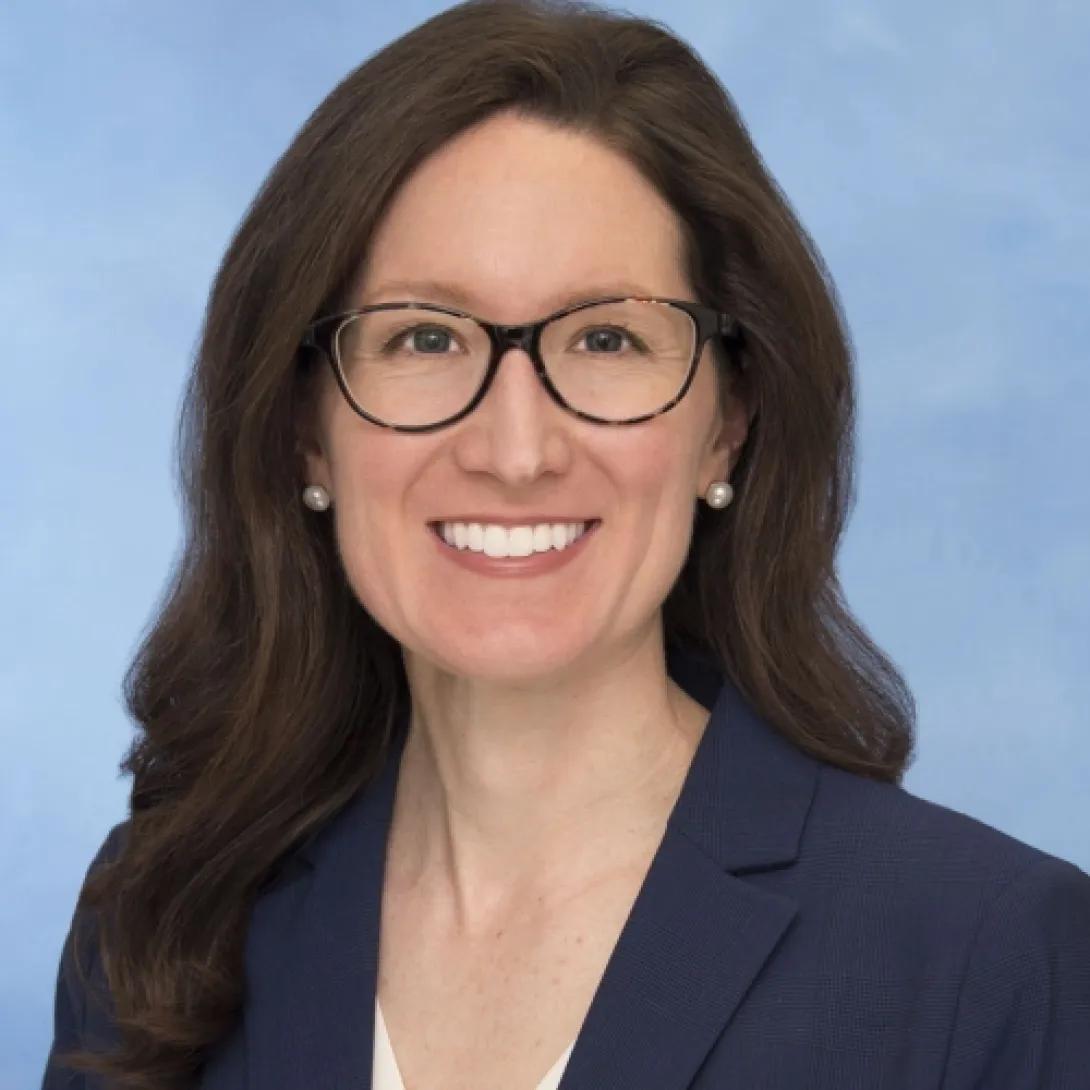
Robbi Ann Kupfer, MD
Clinical Associate Professor
Otolaryngology
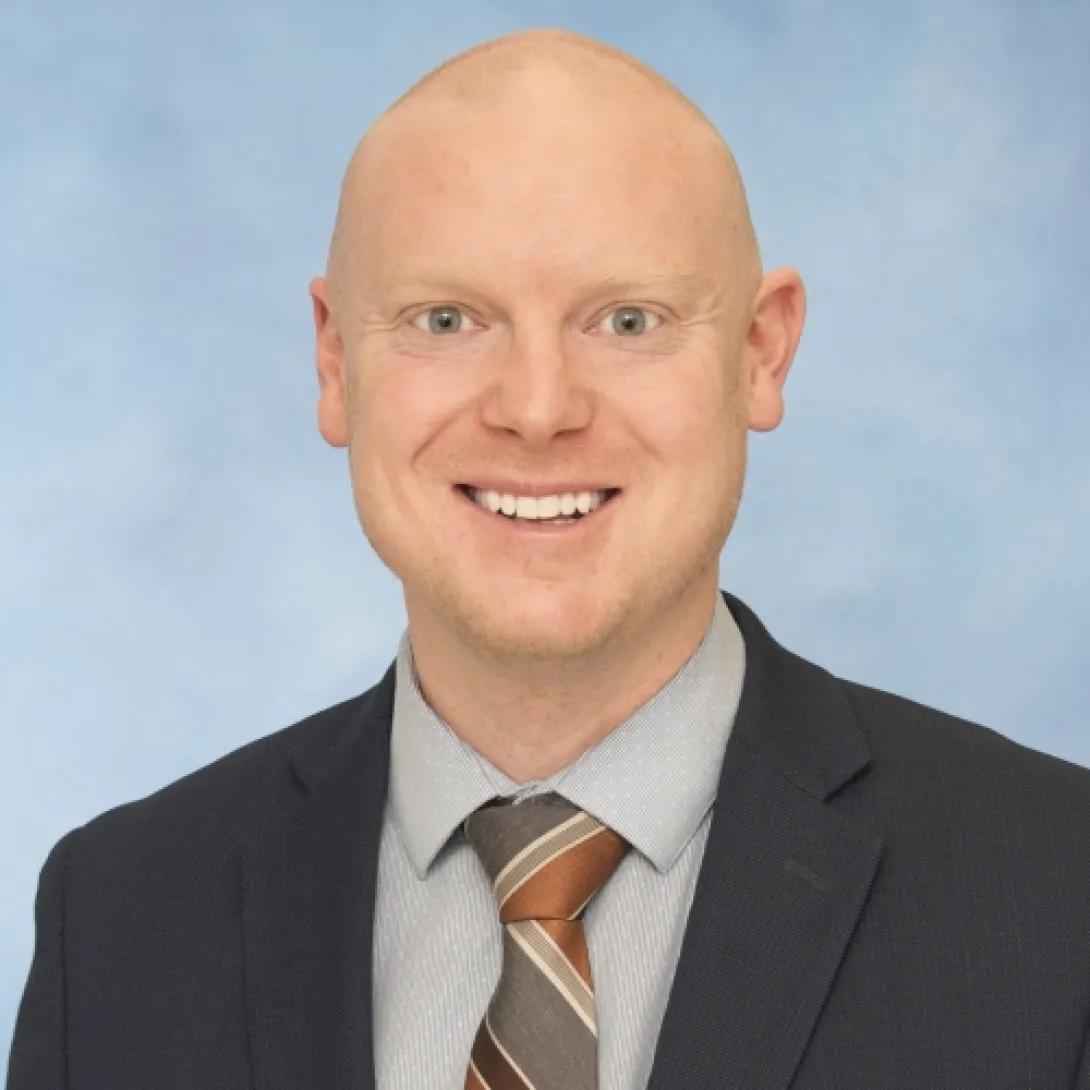
Robert James Morrison, MD
Clinical Associate Professor
Otolaryngology
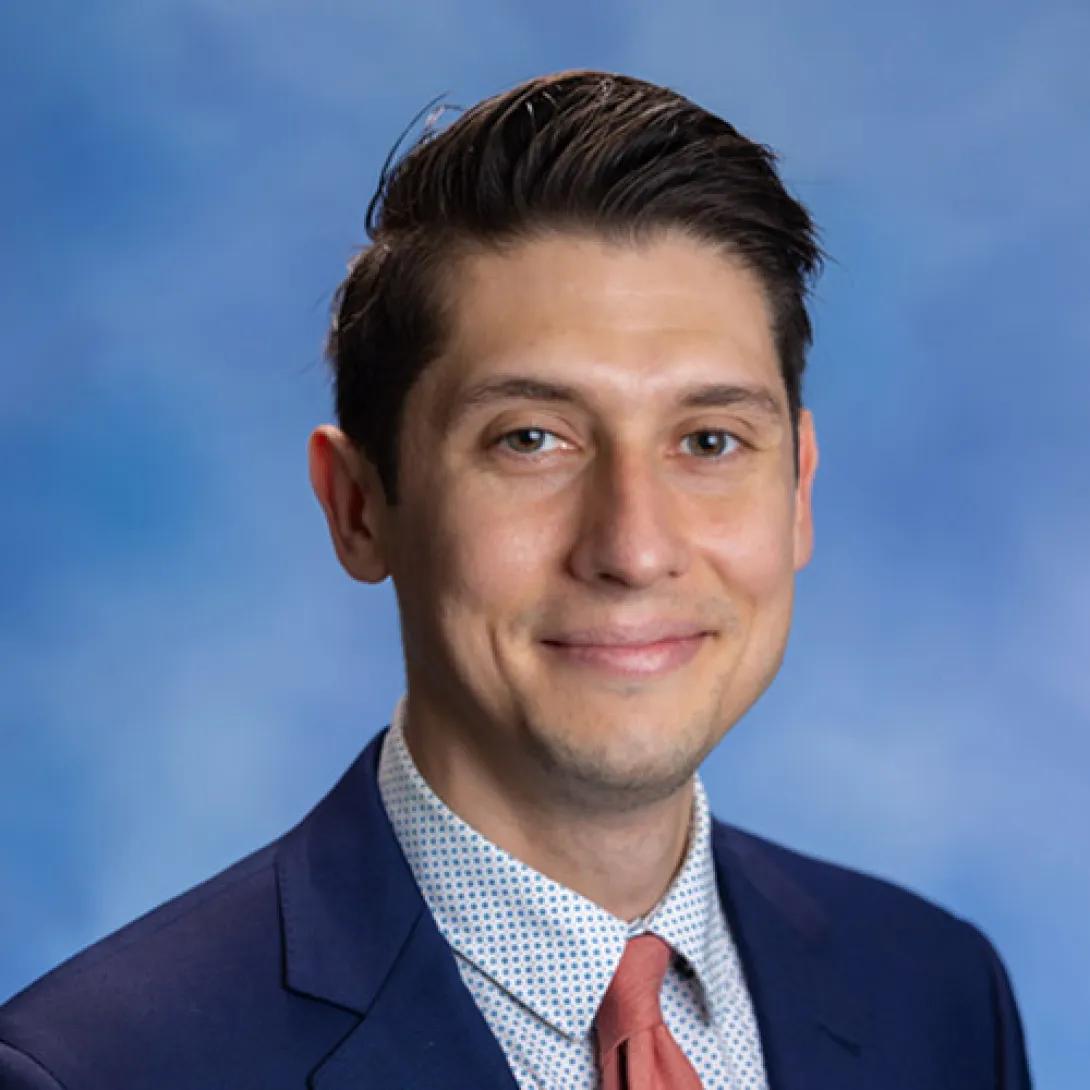
Juan Diego San Juan, MD
Clinical Assistant Professor
Otolaryngology
News & Stories

Rural-urban disparities in head and neck cancer

Biomarkers aid cost-benefit analysis of head and neck cancer immunotherapy
Gratitude inspires gift to improve survivorship care

A link between e-cigarettes and oral cancer
After near-fatal car crash, singer regains voice at U-M Vocal Health Center