Nosebleeds
Nosebleeds
What are nosebleeds?
Nosebleeds are common, especially if you have colds or allergies. Some nosebleeds stop on their own with pressure. Others need packing. Some get cauterized (sealed). If you have gauze or other packing materials in your nose, you will need to follow up with your doctor to have the packing removed. You may need more treatment if you get nosebleeds a lot.
What causes a nosebleed?
The most common causes for nosebleeds are dry climate, heated indoor air during winter months, steroid nasal sprays or direct injury to the nose. More intense and frequent nosebleeds may occur in people who take anticoagulation medication.
Our Approach
- We have expertise in treating all forms of nosebleeds, including those caused by hereditary conditions.
- We treat more than 84,000 patients every year.
- We take a multidisciplinary, step-by-step approach that takes you – as a whole person – into account.
- If you need us for surgery, know that we perform more than 7,000 surgeries every year. And, when it comes to surgery, experience counts.
Appointment Information
To make an appointment, please call 734-936-8051. If you take anticoagulation medication and experience frequent/more severe nosebleeds, call us for an urgent appointment.
How can you care for nosebleeds?
There are some easy steps you can take to prevent and treat most nosebleeds on your own at home.
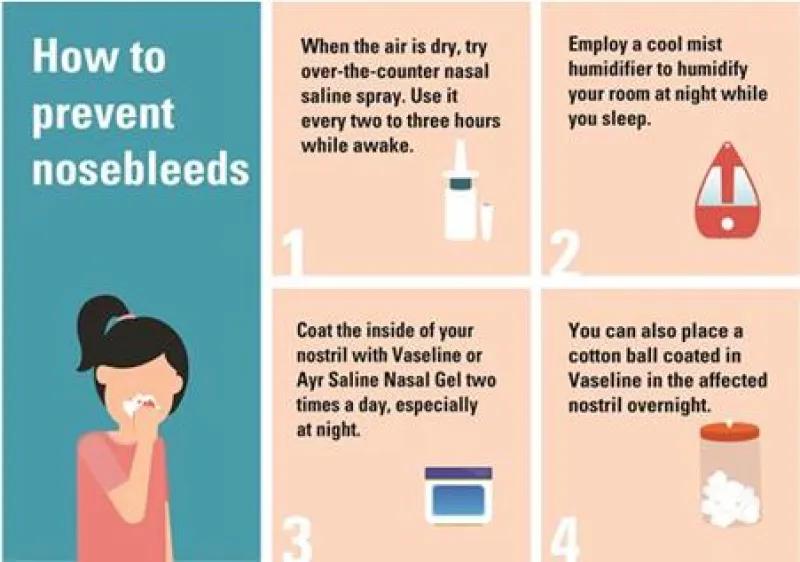
View our video for step-by-step instructions on what to do when you get a bloody nose and tips for preventing nosebleeds in the future.
If your nosebleeds occur more than three to four times per week, or six or more times in a month despite following these tips, please contact your health care provider. Patients who take anticoagulation medication and experience frequent and/or more severe nosebleeds should call 734-936-8051 for an urgent appointment.
(Note: the following instructions are intended for adult and adolescent use only.)
Nosebleeds are rarely dangerous and can be easily managed at home if you know what to do and when to seek help.
Do:
- Remain calm.
- Lean forward. If there is blood in your mouth, spit it out; do not swallow it.
- Apply 3 sprays of decongestant nose spray, such as Afrin, into the side that is bleeding.
- Pinch the soft part of your nose shut.
- Pinch the nose for 10 minutes. Use a clock to keep track of time. Resist the urge to peek after a few minutes to see if your nose has stopped bleeding.
- After 10 minutes, let go of your nose. If it is still bleeding, soak a cotton ball with the nose spray. Place the cotton ball into the bleeding nostril and pinch for 10 minutes. Again, use a clock to time it.
- Once bleeding has stopped, do not blow your nose for 2 days.
- Check your blood pressure, if possible. High blood pressure can cause nosebleeds.
Don't
- Do not pack the nose with tissues or other household items like tampons. This can make the bleeding worse.
- Do not tilt your head back or lie flat. This may cause you to choke on blood. Blood in the stomach can make you sick to your stomach and cause vomiting
- Do not lift anything heavy, like groceries or perform physical activities or household chores such as vacuuming. Do not pick up young children and babies. It can take up to two full weeks to heal after a nosebleed.
Nosebleeds are a nuisance but rarely an emergency. There are some situations, however, when nosebleeds require immediate medical attention:
- Bleeding that does not stop in 30 minutes.
- Bleeding that is very heavy, pouring down the back of your throat and out the front of your nose.
- Bleeding with other symptoms, like very high blood pressure, light-headedness, chest pain and/or rapid heart rate that may require treatment.
Locations
-
Otolaryngology Clinic | Northville Health Center 39901 Traditions Dr
Floor 2
Northville, MI 48168-9493Get Directions -
Otolaryngology Clinic | Taubman Center 1500 E Medical Center Dr
Floor 1 Reception A
Ann Arbor, MI 48109-5312Get Directions -
Otolaryngology Clinic | West Ann Arbor Health Center-Parkland Plaza 380 Parkland Plaza Ste 210
Floor 2
Ann Arbor, MI 48103-6201Get Directions
Doctors
Melissa Ann Pynnonen, MD
Clinical Professor
Otolaryngology

Mark A Zacharek, MD
Clinical Professor
Otolaryngology
News & Stories

Rural-urban disparities in head and neck cancer

Biomarkers aid cost-benefit analysis of head and neck cancer immunotherapy

Gratitude inspires gift to improve survivorship care
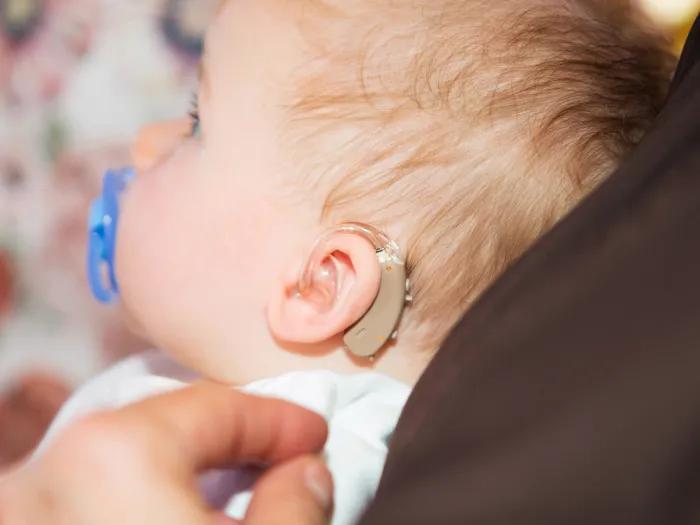
Research may help better predict outcomes in kids with congenital cytomegalovirus

A link between e-cigarettes and oral cancer