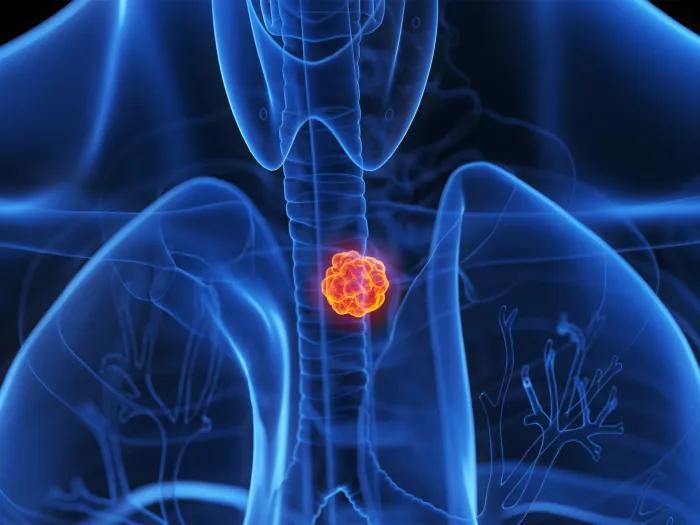
Celiac Disease Program
Celiac Disease Program
The Celiac Disease Program at U-M Health was founded in 2015 to diagnose and treat those with celiac disease and gluten/wheat sensitivity. The program also aims to raise awareness of celiac disease and gluten sensitivity to both physicians and the public as well as engage in cutting-edge research.
Our Approach
Our multidisciplinary team of gastroenterologists and subspecialists in areas such as dermatology, neurology, thyroid disease and other disorders associated with celiac disease aims to provide the highest levels of comprehensive care to our patients.
Our GI team includes physicians, dietitians, and a behavioral psychologist who all work together to provide comprehensive care for our patients. Our highly trained physicians provide the initial clinical evaluation in order to make the diagnosis of celiac disease/gluten insensitivity. Once the diagnosis is made, they will continue to monitor closely for ongoing symptoms and possible complications. Our specialized dietitians also play an integral role in patient care, providing an in-depth education on the gluten-free (GF) diet. We know that celiac disease/gluten sensitivity can be accompanied by a variety of psychosocial effects, such as social isolation from following a special diet and difficulty in coping with a lifelong illness. For this reason, our team also includes a behavioral psychologist to help manage these effects.
Who We Treat
The Celiac Disease Program provides specialized care for individuals diagnosed with celiac disease, where the ingestion of gluten leads to inflammation of the small intestine, as well as for those with gluten or wheat sensitivity.
The program’s comprehensive services are tailored to treat patients who present with a variety of symptoms suggestive of celiac disease, including but not limited to anemia, digestive issues, and dermatitis herpetiformis. Additionally, the program addresses the needs of individuals who continue to experience symptoms despite adhering to a gluten-free diet, potentially indicating complications that require further medical investigation and intervention. Support is also extended to those with Non-Celiac Gluten Sensitivity (NCGS), a group that exhibits similar symptoms to celiac disease without the characteristic antibodies or intestinal damage, and who may benefit from dietary modifications supervised by the program’s skilled dietitians.
Services
The Celiac Disease Program offers a wide array of services tailored to meet the needs of individuals affected by celiac disease and gluten/wheat sensitivities:
- Suspected and confirmed cases of celiac disease, including complications associated with celiac disease
- Non-Celiac Gluten Sensitivity (NCGS)
- Gluten and wheat sensitivity
- Associated autoimmune disorders that present alongside celiac disease, such as:
- Dermatitis herpetiformis
- Early-onset bone disease
- Thyroid disease
- Neurological complications
- Consulting with our physicians, who have expert knowledge on the complications of celiac disease, including refractory celiac disease, ulcerative jejunitis and lymphoma.
- Consulting with our dietitians, who can help recognize obscure sources of gluten contamination (the most common cause of persistent symptoms in patients with celiac disease)
- Scheduling capsule endoscopy and balloon endoscopy procedures
- Consulting with our radiology department, which has specialized imaging including CT enterography and MR enterography to diagnose celiac disease complications
- Consulting with our physiology lab, which has the ability to perform breath testing for both carbohydrate intolerance and bacterial overgrowth
- Consulting with our expert GI pathologists, who have all the diagnostic tools necessary to confidently make the diagnosis of refractory celiac disease or lymphoma
- Prescribing immunosuppressive medications for complications of celiac disease
Appointment Information
To schedule a clinic visit to discuss celiac disease or another gastrointestinal disorder, call the U-M Health Gastroenterology Call Center at 888-229-7408.
Digestive and Liver Health
Research
Gastroenterology at U-M Health has a long tradition of basic laboratory and clinical research excellence. Since the division's beginning in 1947, U-M has provided national leadership in gastroenterology. Our division has consistently been among the top centers funded by the National Institutes of Health. With the addition of the Celiac Disease Program to our division, we hope to continue that tradition of excellence in research in this unique population of patients.
Locations
-
Gastroenterology Clinic | Brighton Center for Specialty Care 7500 Challis Rd
Entrance 1, Level 2
Brighton, MI 48116-9416Get Directions -
Gastroenterology Clinic | Northville Health Center 39901 Traditions Dr
Floor 2
Northville, MI 48168-9493Get Directions -
Gastroenterology Clinic | Taubman Center 1500 E Medical Center Dr
Floor 3 Reception D
Ann Arbor, MI 48109-2435Get Directions
Doctors

William D Chey, MD
Professor
Gastroenterology, Internal Medicine
Shanti Lynne Eswaran, MD
Clinical Professor
Gastroenterology, Internal Medicine

John Yung-Chong Kao, MD
Professor
Gastroenterology, Internal Medicine
Michael David Rice, MD
Clinical Associate Professor
Gastroenterology, Internal Medicine
News & Stories

Have an MCAS diagnosis? Well, maybe not
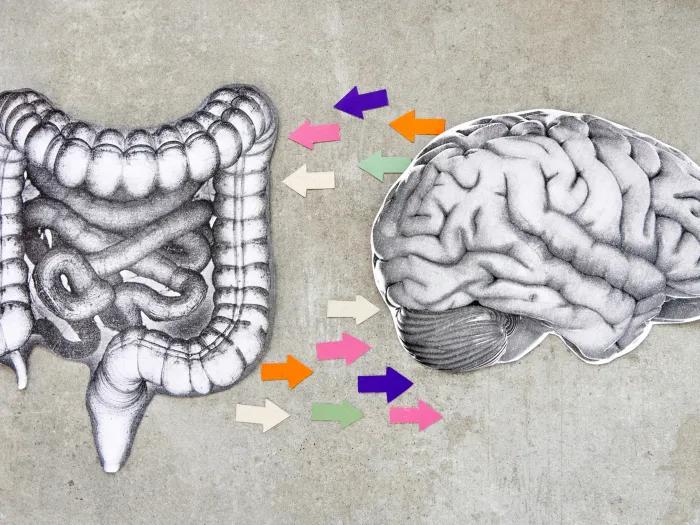
Identifying avoidant, restrictive food intake disorder in gastroenterology patients

As probiotic use surges, microbiome-supportive food consumption stagnates

How gastroenterology nutrition therapy has evolved
A first-of-its-kind treatment for mastocytosis