Deep Vein Thrombosis (DVT)
Deep Vein Thrombosis (DVT)
What is Deep Vein Thrombosis (DVT)?
Deep vein thrombosis, commonly referred to as DVT, is a condition that results from the formation of a thrombus, or blood clot, in a vein deep within the body. In addition to causing leg pain and swelling, the condition also can be complicated by pulmonary embolus (PE) should a piece of clot break loose and travel into the pulmonary (lung) circulation. A PE can seriously impair breathing (oxygenation), stress the heart, and can result in death.
What are the risk factors of DVT?
The risk factors for DVT include:
- Extended periods of inactivity (e.g. bedrest, lengthy plane flight)
- Smoking
- Pregnancy
- Use of birth control pills or hormone replacement therapy
- Obesity
- Family history or previous history of DVT or PE
- Recent surgery
- Malignancy
Appointment Information
Call us at 888-287-1082 to schedule an appointment with a U-M Cardiovascular Center physician, get a prescription refill, or request to speak with your nurse, or visit the Make a Cardiovascular Appointment page.
Venous Health Program
The Venous Health Program is an all-inclusive resource for the treatment of venous disease. This program brings together an experienced team to provide seamless multidisciplinary care.
What are the symptoms of DVT?
These are symptoms you may experience with DVT. If you are experiencing any of these symptoms now, you should seek immediate medical evaluation and treatment:
- Sudden swelling of the limb
- Pain or aching of the limb
- Warming sensation in one leg
- Skin discoloration in severe cases
How is deep vein thrombosis (DVT) diagnosed?
If your doctor thinks that you have DVT, you probably will have an ultrasound test to measure the blood flow through your veins and help find any clots that might be blocking the flow.
To see if you need an ultrasound, the doctor will do a physical exam. This will include checking your heart and lungs and checking your legs for warmth, swelling, bulging veins, or changes in skin color. Your doctor will also ask questions about your past and current health. These questions may include:
- Do you have any swelling or pain in your legs?
- Have you had a blood clot before?
- What medicines do you take?
- Have you had surgery recently, or have you been on any long trips lately?
Other tests
More tests may be used when ultrasound results are unclear. These tests may help diagnose or exclude a blood clot. These tests may include:
- D-dimer test.
- MRI.
- CT scan.
If your doctor thinks you might have a pulmonary embolism, your doctor may test your lungs.
What is Postphlebitic Syndrome?
If you’ve had an occurrence of DVT, you may develop postphlebitic syndrome, a form of chronic venous insufficiency. Incompetent valves lead to two-way venous flow and ineffective venous return to the heart. This results in high venous blood pressure, venous dilation and valvular insufficiency of additional veins not previously involved.
Signs or symptoms of postphlebitic syndrome may include:
- Leg aching and fatigue
- Aching
- Swelling
- Hyperpigmentation or skin discoloration
- Itching and dry skin of the affected leg
The hyperpigmentation or skin discoloration is caused by the breakdown of red blood cells as they pass through this high pressure area. The skin in this area then becomes dry and flaky, causing itching. Continued inflammation and irritation can lead to skin breakdown, eczema and the development of skin ulcers. The ulceration occurs more often in the inside part of the ankle and the margins are usually irregular with an uneven base.
How is DVT treated?
Treating deep vein thrombosis requires medication to thin the blood. Heparin, Lovenox, Coumadin and other new blood thinners are commonly prescribed. These anticoagulants helps to prevent further clotting while the body attempts to dissolve the venous blood clot.
If you are diagnosed with DVT, you will likely be advised to begin a walking regimen or other physical activity, which have been shown to lead to a decreased incidence of long-term swelling and pain and helps to ensure a successful recovery.
Locations
-
Vascular & Interventional Radiology Clinic | Cardiovascular Center 1425 E Ann St
Floor 3 Reception B
Ann Arbor, MI 48109-5856Get Directions -
Venous Management Clinic | Frankel Cardiovascular Center 1425 E Ann St
Floor 3 Reception B
Ann Arbor, MI 48109-5856Get Directions
Doctors

Geoffrey Douglas Barnes, MD, MSc
Associate Professor
Cardiovascular Disease, Internal Medicine

James Barklow Froehlich, MD
Clinical Professor
Cardiovascular Disease, Internal Medicine

Minhajuddin Syad Khaja, MD
Clinical Professor
Vascular & Interventional Radiology, Diagnostic Radiology, Interventional Radiology & Diagnostic Radiology

Xhorlina Marko, MD
Clinical Assistant Professor
Vascular & Interventional Radiology, Diagnostic Radiology
Providers

Christine Elizabeth Edwards, NP, DNP
Advanced Practice Nurse
Nurse Practitioner
Clare Helen Harris, NP
Advanced Practice Nurse
Nurse Practitioner, Nurse Practitioner - Primary Care, Nurse Practitioner - Adult Health
News & Stories

Young father survives aortic dissection after delayed diagnosis

Treating a rare coronary artery aneurysm without open heart surgery
A night of two national titles for U-M, as scientists and basketball players both triumph
Delays in Heart Surgery for Women due to One-Size-Fits-All Criteria
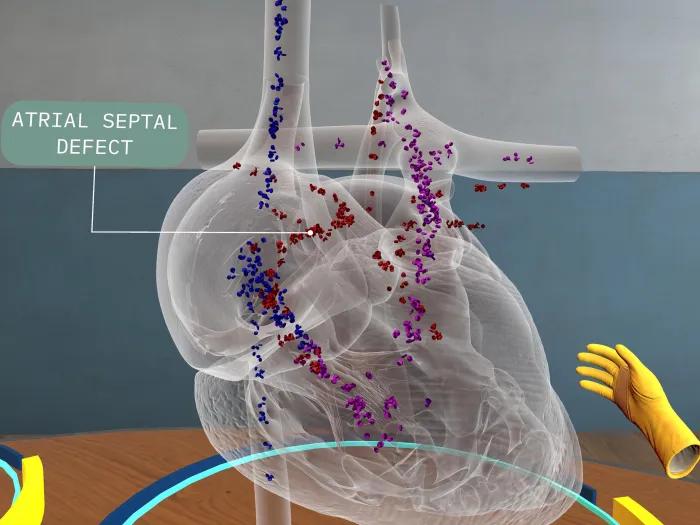
Virtual reality enhances training for pediatric cardiologists