
Noah Fromson
Public Relations Representative
Fromson joined Michigan Medicine in March 2021. He covers the neurosciences and cardiovascular medicine. He spent three years as a television reporter in West Michigan and is passionate about multimedia storytelling. Contact: [email protected] Twitter: @noahfromson


Health Lab
Female heart patients less likely to have additional problems fixed during surgery
Two studies led by Michigan Medicine find that female patients who undergo heart surgery are less likely to have secondary ailments corrected during a procedure — despite guidelines that indicate they should.

Health Lab
Children from disadvantaged communities may die sooner from cancerous brain tumors
Children with inoperable brain tumors may die sooner if they live in areas with lower average income and education levels, a Michigan Medicine-led study finds.

Health Lab
Timely response leads to complete recovery for young stroke survivor
For a Michigan man in his early 30s who never expected to have a stroke so young, the quick action of others allowed him to fully recover with no need for rehabilitation.

Health Lab
Fewer than 1 in 4 patients receive dietary counseling after a heart attack
Although diet is the leading contributor to premature death from heart disease in the United States, fewer than one-quarter of people who undergo major heart events receive dietary counseling in the aftermath, a study finds.

Health Lab
Two heart transplants, one message for organ donation
A patient who has received two heart transplants years apart shares his story and the importance of advocating for organ donation.

Health Lab
Father’s cancerous brain tumor found weeks after the birth of his daughter
Father’s cancerous brain tumor found weeks after the birth of his daughter

Health Lab
30 years of insomnia improved in just four weeks
Sleep medicine experts say psychotherapy is the first line treatment for chronic insomnia
Health Lab
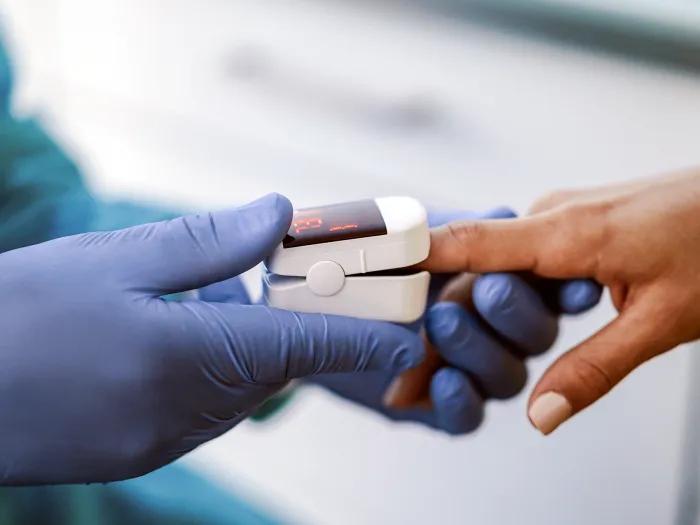
Inaccurate pulse oximeter readings could limit transplants, heart pumps for Black patients with heart failure
Racially biased readings of oxygen levels in the blood using pulse oximeters may further limit opportunities for Black patients with heart failure to receive potentially lifesaving treatments, such as heart pumps and transplants

Health Lab
Life-changing results for young woman after orange-sized brain tumor removed
Young woman thrives after surgery to remove a pilocytic astrocytoma tumor in her brain.
Health Lab
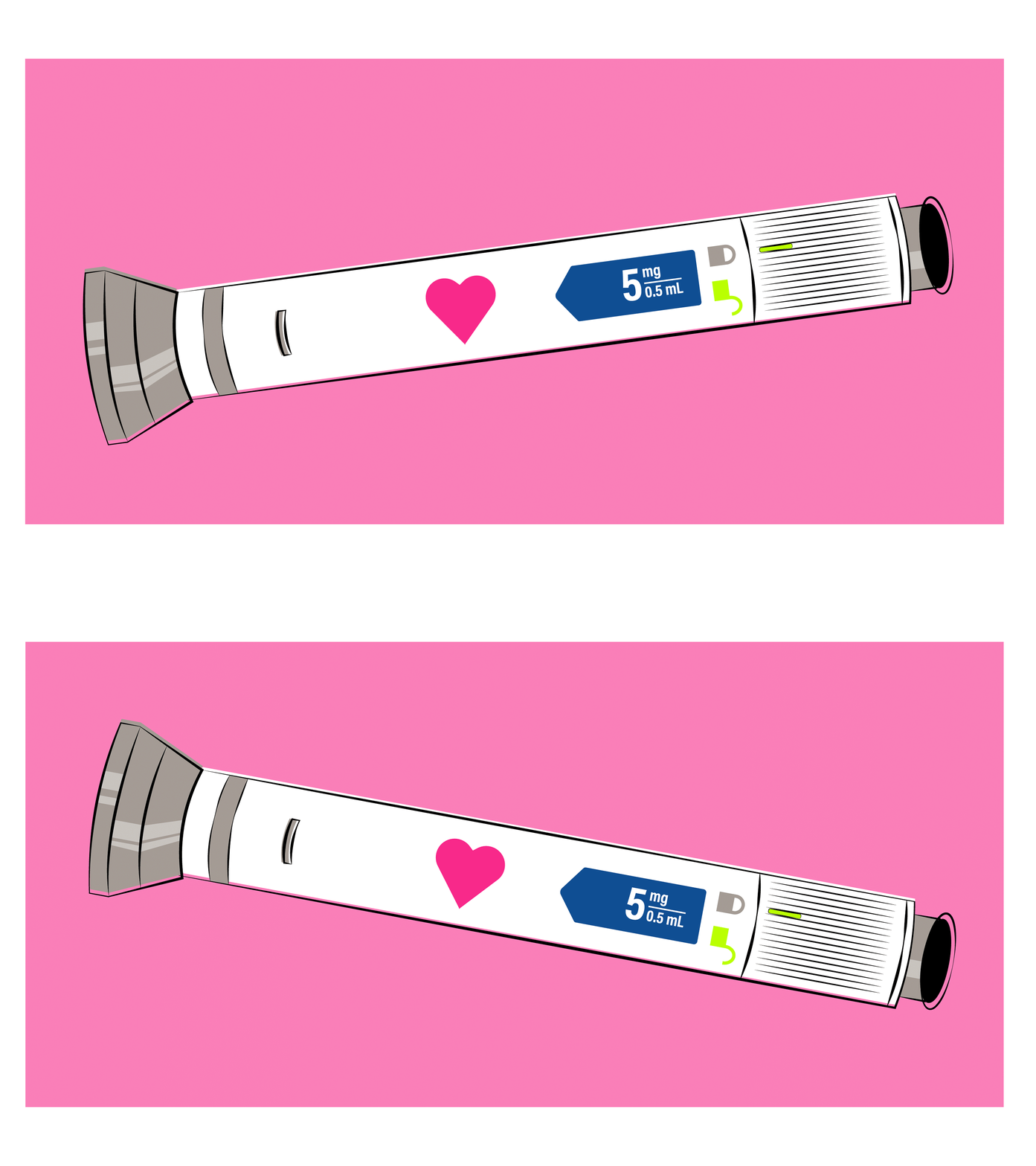
Should heart patients consider taking weight loss medications?
Cardiologist shares how weight loss medications may impact cardiovascular health.

Health Lab
Death rate higher than expected for patients with functional, nonepileptic seizures
The death rate for patients with functional, nonepileptic seizures is higher than expected, with a rate comparable to epilepsy and severe mental illness, a Michigan Medicine-led study finds.

Health Lab
AI model predicts death, complications for patients undergoing angioplasty, stents
Researchers at Michigan Medicine developed an AI-driven algorithm that accurately predicts death and complications after PCI — which could emerge as a tool for clinicians as they determine treatment for blocked heart arteries.
Health Lab
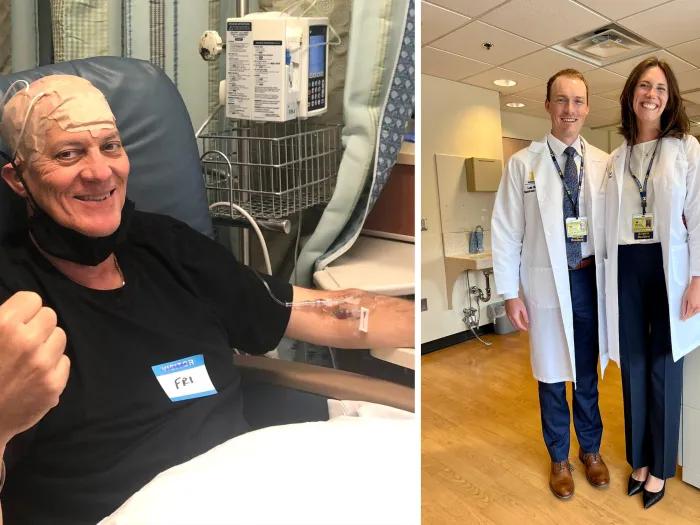
Father’s journey with glioblastoma inspires son to become neurosurgeon
Physician in training inspired to specialize in neurosurgery after losing his father to brain cancer, continues to raise funds for glioblastoma research

Health Lab
Can recycled pacemakers from the U.S. save lives overseas?
Researchers and clinicians at the U-M Health Frankel Cardiovascular Center began sending reconditioned pacemakers to low- and middle-income countries for compassionate use cases in 2010 through the “My Heart Your Heart” program.

Health Lab
Bariatric surgery may slow cognitive decline for people with obesity
Investigators found that people with obesity who underwent bariatric surgery had stable cognition two years later. Researchers say it suggests that bariatric surgery may mitigate the natural history of cognitive decline expected in people with obesity.
