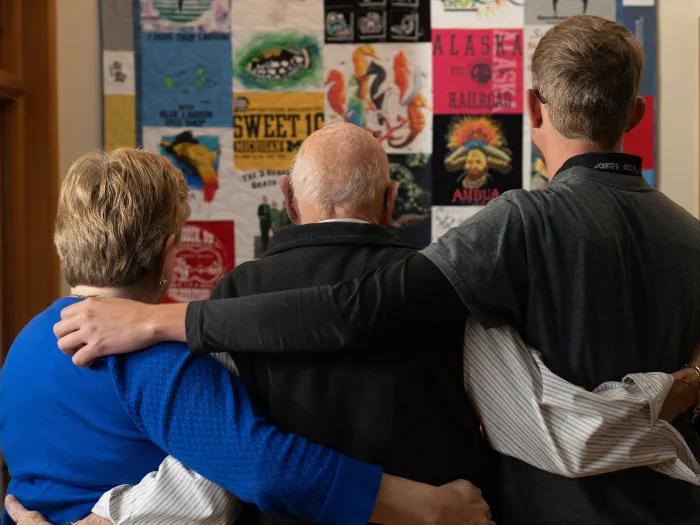
Rogel research team receives $3. 2 M grant to cascade genetic testing to relatives
10:00 AM
Author |
A team of researchers based at the University of Michigan Rogel Cancer Center and Stanford University received $3.2 million from the National Cancer Institute for a clinical trial to help patients with a hereditary-based cancer diagnosis extend genetic testing to at-risk relatives.
The project is led by Steven J. Katz, M.D., M.P.H., and Lawrence C. An, M.D., at Rogel and Allison Kurian, M.D., M.Sc., at Stanford.
The team published results of their initial trial, Genetic Information and Family Testing, in the Journal of Clinical Oncology in March 2026.
GIFT uses a web-based intervention to educate people with cancer about the impact genetic variants can have on their family. It includes education and decision support to help patients feel comfortable communicating genetic testing information to their relatives. The platform also allows patients to invite first-and second-degree relatives to the site.
In the new study, the research team will use the Surveillance Epidemiology and End Results, or SEER, registry to reach out to nearly 4,000 adult cancer survivors diagnosed in Georgia and California in 2024 who carry a mutation that increases the risk of cancer in the family. Enrolled patients will invite all first-and second-degree relatives to join GIFT to receive online education and the offer of low cost home genetic testing.
The goal of GIFT is to increase cascade genetic testing which can inform prevention and early detection strategies to reduce the burden of cancer in families with hereditary susceptibility. GIFT will evaluate the best approach to online family education and communication using an artificial intelligence assistant that could be scaled across the entire SEER program in 18 states.
“Since launching GIFT 1, it has become clearer that clinician organizations will be unable to respond sufficiently to the tsunami of genetic testing in cancer patients that is occurring in clinical practice. Cancer registries could serve a useful role, delivering support to families with HCS through initial engagement of cancer survivors identified through registry operations,” Katz said.
Katz and An are faculty in the Division of General Medicine in the Department of Internal Medicine, and members of the U-M Institute for Healthcare Policy and Innovation.
Funding: National Cancer Institute grant R01CA303649
In This Story

Steven J Katz, MD, MPH
Professor
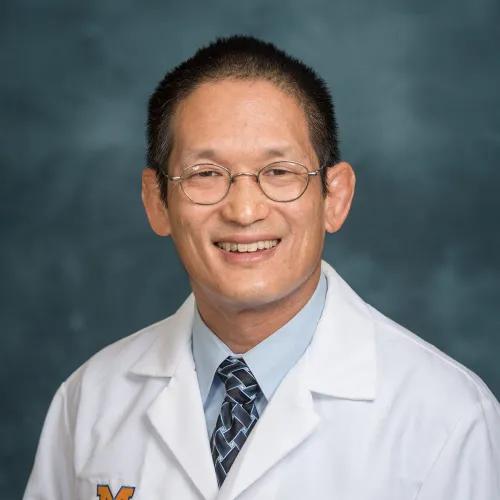
Lawrence Chin-I An, MD
Associate Professor
Featured News & Stories
Online resources and coaching helped people seek genetic testing for cancer

Study identifies function behind mysterious variants for gene linked to colon cancer

Many breast cancer survivors don't receive genetic testing, despite being eligible

Early findings suggest this cancer drug may be effective against advanced tumors caused by genetic mutations
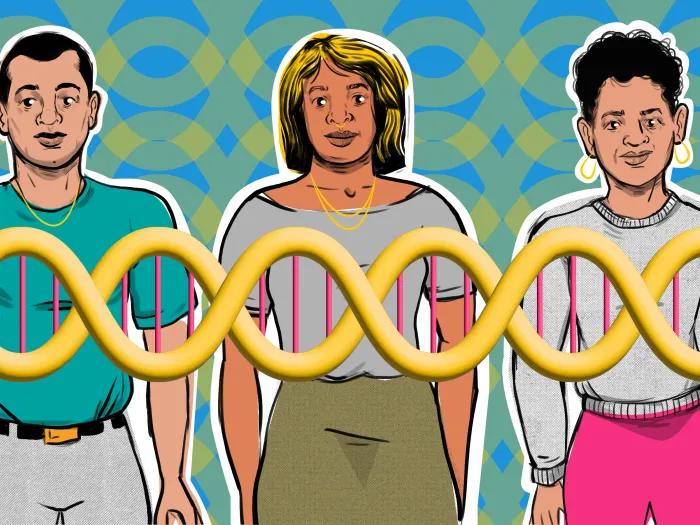
Sex, age, mental health and more can affect perceived barriers to genetic testing for cancer