Fewer than 1 in 4 patients receive dietary counseling after a heart attack
Nutrition counseling, often provided by a registered dietitian nutritionist, may reduce risk for cardiovascular events
5:00 AM
Author |

Although diet is the leading contributor to premature death from heart disease in the United States, fewer than one-quarter of people who undergo major heart events receive dietary counseling in the aftermath, a study finds.
The research, led by a team from the University of Michigan Health Frankel Cardiovascular Center, tracked nearly 150,000 patients seen at hospitals across Michigan for serious heart conditions — such as heart attack and heart failure — between late 2015 and early 2020.
Results published in Journal of the Academy of Nutrition and Dietetics, show that clinicians documented providing dietary counseling in just 23% of cases within 90 days of hospitalization.
Such counseling could have happened as part of a supervised cardiac rehabilitation program, or a separate kind of care called medical nutrition therapy.
That approach involves detailed nutritional assessments and targeted interventions led by registered dietitian nutritionists.
“Nutrition counseling may reduce the risk a person has for cardiovascular episodes and disease, yet our research shows that the vast majority of patients, who are all at risk after significant heart events, are not receiving this essential education,” said Brahmajee Nallamothu, M.D., M.P.H., senior author and professor of internal medicine-cardiology at U-M Medical School.
Most of the dietary counseling documentation was within cardiac rehab; the program itself is considered underutilized, as only around 20-30% of eligible patients participate.
When removing cardiac rehab from the equation, clinicians offered dietary counseling just 5% of the time.
The reason for such a low rate, researchers suggest, may be a lack of time for providing the counseling or expertise in this area by clinicians.
SEE ALSO: Both virtual and in-person nutrition visits help to lower cholesterol
“When patients receive this education, we have seen tremendous results – some have cut cholesterol levels in half within weeks,” said first author Eric Brandt, M.D., M.H.S., FACC, director of preventive cardiology at the Frankel Cardiovascular Center.
“However, physicians are often limited by time required to manage other aspects of a patient’s condition. Additionally, most cardiologists do not receive sufficient education to provide the dietary advice themselves.”
Women, adults over 65 years old and patients with chronic kidney disease were all less likely to receive counseling from their providers.
Traditional Medicare participants were less likely to receive dietary counseling than patients with private insurance but more likely than those with Medicaid.
Currently, medical nutrition therapy is only covered for Medicare patients living with diabetes and end stage kidney disease.
SEE ALSO: Rate of food insecurity skyrockets for Americans with cardiovascular disease, study finds
“In my long history as a registered dietitian nutritionist, I have felt so grateful seeing how many patients benefit from medical nutrition therapy, yet my patients and I are equally saddened to see that the majority of people must pay out of pocket or be turned away because of lack of access to MNT services by Medicare,” said Geeta Sikand, M.A., R.D.N., FAND, a registered dietitian nutritionist and an associate clinical professor of medicine in the cardiology division at University of California, Irvine.
Nearly half of American adults have poor diet quality, yet many struggle to afford healthy foods. In 2022, the American Heart Association released a position statement supporting efforts to “increase equitable access to nutritious, affordable food” into health care delivery.
“Lifestyle is the cornerstone for preventing cardiovascular disease,” Brandt said.
“Without providing counseling on changing behaviors to choose the foods that our patients should eat, many are left without the tools to manage nutrition. I hope to see the landscape change where eating healthier is more well supported and achievable.”
Additional authors include Matthias Kirch, M.S., John Z. Ayanian, M.D., M.P.P., Tammy Chang, M.D., M.P.H., M.S., and Michael P. Thompson, Ph.D., all of university of Michigan.
This research was supported by the Blue Cross Blue Shield of Michigan Foundation.
Brandt reports research funding from the National Institutes of Health (K23MD017253) and the Blue Cross Blue Shield of Michigan Foundation.
Paper cited: “Dietary Counseling Documentation Among Patients Recently Hospitalized for Cardiovascular Disease,” Journal of the Academy of Nutrition and Dietetics. DOI: 10.1013/j.jand.2024.03.003
Sign up for Health Lab newsletters today. Get medical tips from top experts and learn about new scientific discoveries every week by subscribing to Health Lab’s two newsletters, Health & Wellness and Research & Innovation.
Sign up for the Health Lab Podcast: Add us on Spotify, Apple Podcasts or wherever you get you listen to your favorite shows.

Health Lab
Explore thousands of health news & research stories by visiting the Health Lab homepage for more.
Media Contact

Public Relations
Department of Communication at Michigan Medicine
In This Story
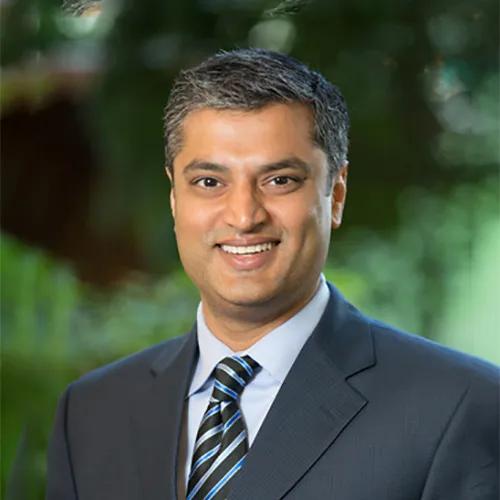
Brahmajee K Nallamothu
Professor
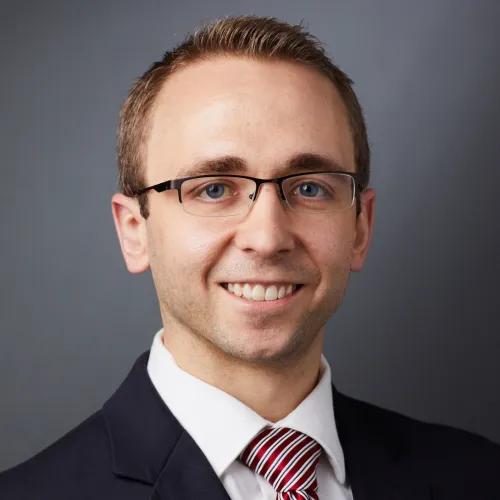
Eric Brandt, MD
Assistant Professor
Stay Informed
Want top health & research news weekly? Sign up for Health Lab’s newsletters today!
Featured News & Stories

Evolving causes, diagnosis of drug-induced liver injury

What’s the latest on 7-OH and kratom availability and addiction care?

A first-of-its-kind treatment for mastocytosis

Many parents face challenges getting kids to eat a healthy breakfast before school
New drug combination may help treat advanced prostate cancer