Peripheral Arterial Disease (PAD)
Peripheral Arterial Disease (PAD)
What is peripheral arterial disease (PAD)?
Nearly 12 million Americans have peripheral arterial disease or PAD, a vascular arterial disease that causes blockages in the arteries to the legs due to the buildup of plaque. Peripheral arterial disease is different than heart disease because the blockages are outside the heart, specifically in the arteries of the abdomen, pelvis and legs.
Patients with peripheral arterial disease may also hear the terms peripheral vascular disease (PVD) or peripheral vascular occlusive disease (PVOD). These terms are more generalized, also encompassing arteries outside the heart but including those in the neck and kidneys as well as the legs.
In some PAD patients, the vascular system may compensate for the reduced blood flow by forming alternative routes, called collateral vessels, which bypass the affected vasculature. In others, collateral vessels may not be sufficient, resulting in foot pain at rest and non-healing sores on the feet. Over time, smoking, poor diet and inactivity, in conjunction with diseases such as hypertension and diabetes, cause the vein walls to become rigid and narrow.
Our Approach
U-M Health specialists are national leaders in research, open surgery and endovascular procedures for PAD. We will work with you to create an individualized care plan that may include medical management, open or endovascular surgery. In addition to creating a treatment plan tailored to each patient, we also offer programs in smoking cessation, dietary counseling, wound care and prosthetics.
Any patient with peripheral arterial disease can be seen in the clinic, from mild cases to limb-threatening, disabling conditions. Our physicians will work to help save your leg. Patients who have already been diagnosed with PAD, claudication, an abnormal ABI test result and/or non-healing ulcers due to arterial insufficiency are seen within 48 hours after we have been contacted by a referring physician. We are able to handle emergent cases at any time.
Appointment Information
To schedule an appointment, please call the U-M Health Frankel Cardiovascular Center at 888-287-1082 or visit the Make a Cardiovascular Appointment page.
What are the symptoms of peripheral arterial disease?
Common PAD symptoms include:
- Persistent or intermittent leg pain (claudication) or cramping when walking
- Numbness or loss of sensation in the affected limb
- Sores that heal slowly or fail to heal
- Differences between limbs in relation to color and/or warmth
- Decreased rate of hair and nail growth on the impacted limb
- Foot pain at rest
While peripheral arterial disease is not life threatening, it can affect quality of life, and can be a red-flag warning of more serious conditions, including heart disease. If not properly managed, PAD can lead to heart attack or stroke.
How is peripheral arterial disease diagnosed?
If PAD is suspected, your health care provider will perform a non-invasive test known as an ankle brachial pressure index (ABI). The ABI measures the difference between the systolic blood pressure in your arms and the systolic pressure in your ankles. Based on the result of this test, an ultrasound may be ordered to determine the extent of the blockage. Angiography, an X-ray dye procedure, or a Computed Tomography Angiography (CTA) scan may also be used to more precisely define the exact location of the blockage if a procedure is indicated.
How is PAD treated?
Depending on the severity of your peripheral arterial disease, our team offers various treatments. PAD treatments focus primarily on lowering your risk factors combined with medical (non-surgical) therapies. If PAD reduces blood flow to such an extent that walking is affected, you experience pain at rest or a wound or sore doesn't heal properly, you may need intervention or surgery.
All patients with peripheral artery disease are treated using risk factor management, which depending on symptoms and blockage could include:
- Aspirin regimen
- Improved diet
- Smoking cessation
- Controlling high blood pressure, high cholesterol or diabetes. All patients also get an exercise program. Typically, peripheral arterial disease causes leg cramping when walking, although there is no pain while at rest. This leg pain is called claudication. Claudication lowers your quality of life because you can’t do many things, such as working, going to the store and golfing. Our walking program will help you increase distance before you get pain, with an ultimate goal of eliminating the pain entirely.
If exercise therapy is not successful in treating your blockage, we turn to revascularization therapies, which include balloons, stents or bypass surgery.
For patients with complicated foot disease, the Michigan Lower Extremity Services (MiLES) Multidisciplinary Foot Clinic can help facilitate non-invasive vascular testing, evaluations with various specialists, and physical therapy services.
For patients with critical limb ischemia – an advanced form of peripheral arterial
disease where patients are getting no blood flow in their feet and are in danger of
losing a leg – we offer same day, emergency treatment.
Surgery is reserved for patients who have the most severe symptoms and complications. In the most extreme cases, when a leg has gangrene (when body tissue dies) and cannot be saved, amputation may be recommended. This is, however, a last resort and in many cases even when gangrene is present, amputation can be avoided. The following are surgical procedures that may be used to treat peripheral arterial disease:
- Balloon Angioplasty/Stenting - a procedure in which your vascular surgeon inserts a balloon catheter into a narrowed portion of an artery. Expanding the balloon compresses the plaque against the artery wall and reduces the blockage. The balloon and catheter are then removed. The stretching of the artery greatly improves blood flow through the artery. Often a metal device called a stent is left in the artery to improve chances that the blood vessel will stay open.
- Bypass Grafting - a surgical procedure to redirect blood flow around an area of blockage. The procedure creates an alternate channel for blood flow, bypassing an obstructed or damaged vessel. The graft may come from a healthy section of the patient's own vein, or a synthetic material, such as Dacron™ may be used.
- Cryoplasty, or cryo-balloon angioplasty - a procedure similar to angioplasty in which a vascular surgeon inserts a balloon catheter into a blocked artery to repair an obstruction within the vessel. Once the balloon catheter reaches the site of the blockage, it is filled with liquid nitrous oxide, which immediately evaporates into a gas, causing the balloon to inflate and freeze the surrounding tissue, promoting the dilation or opening of the artery while minimizing the potential for growth of new scar tissue, and reduces the likelihood that the blockage in the treated location will reoccur.
- Percutaneous or Laser Atherectomy - a procedure in which a vascular surgeon inserts a specialized catheter into a blocked artery to remove a buildup of atherosclerotic plaque from within the vessel. The catheter contains a sharp rotating blade, grinding bit, or laser filament, as well as a collection system that permits the surgeon to remove the plaque from the wall of the vessel and collect or suction any resulting debris.
Clinical Trials
In addition to these surgical and non-surgical treatment options, the University of Michigan also has opportunities for patients to participate in clinical research studies. Learn more about these PAD-related clinical research studies.
Locations
-
Cardiology Clinic | Frankel Cardiovascular Center 1425 E Ann St
Floor 3 Reception C
Ann Arbor, MI 48109-5856Get Directions -
Vascular & Interventional Radiology Clinic | Cardiovascular Center 1425 E Ann St
Floor 3 Reception B
Ann Arbor, MI 48109-5856Get Directions -
Vascular Surgery Clinic | Frankel Cardiovascular Center 1425 E Ann St
Floor 3 Reception B
Ann Arbor, MI 48109-5856Get Directions
Doctors

Geoffrey Douglas Barnes, MD, MSc
Associate Professor
Cardiovascular Disease, Internal Medicine

Robert John Beaulieu, MD
Clinical Associate Professor
Vascular Surgery
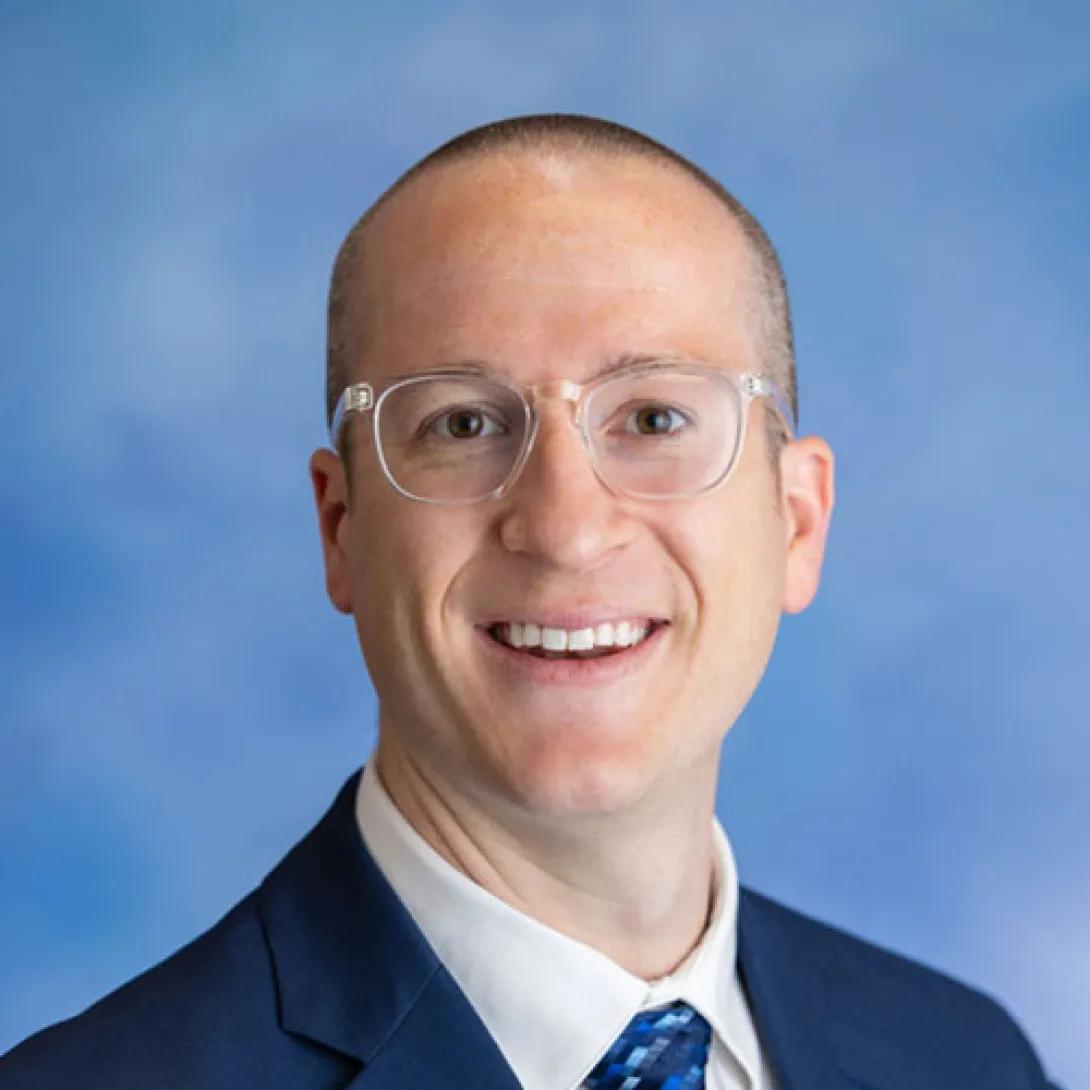
Craig Stanton Brown, MD
Clinical Assistant Professor
Vascular Surgery

Frank Michael Davis, MD
Assistant Professor
Vascular Surgery

James Barklow Froehlich, MD
Clinical Professor
Cardiovascular Disease, Internal Medicine

Paul Michael Grossman, MD
Clinical Professor
Interventional Cardiology, Cardiovascular Disease, Internal Medicine
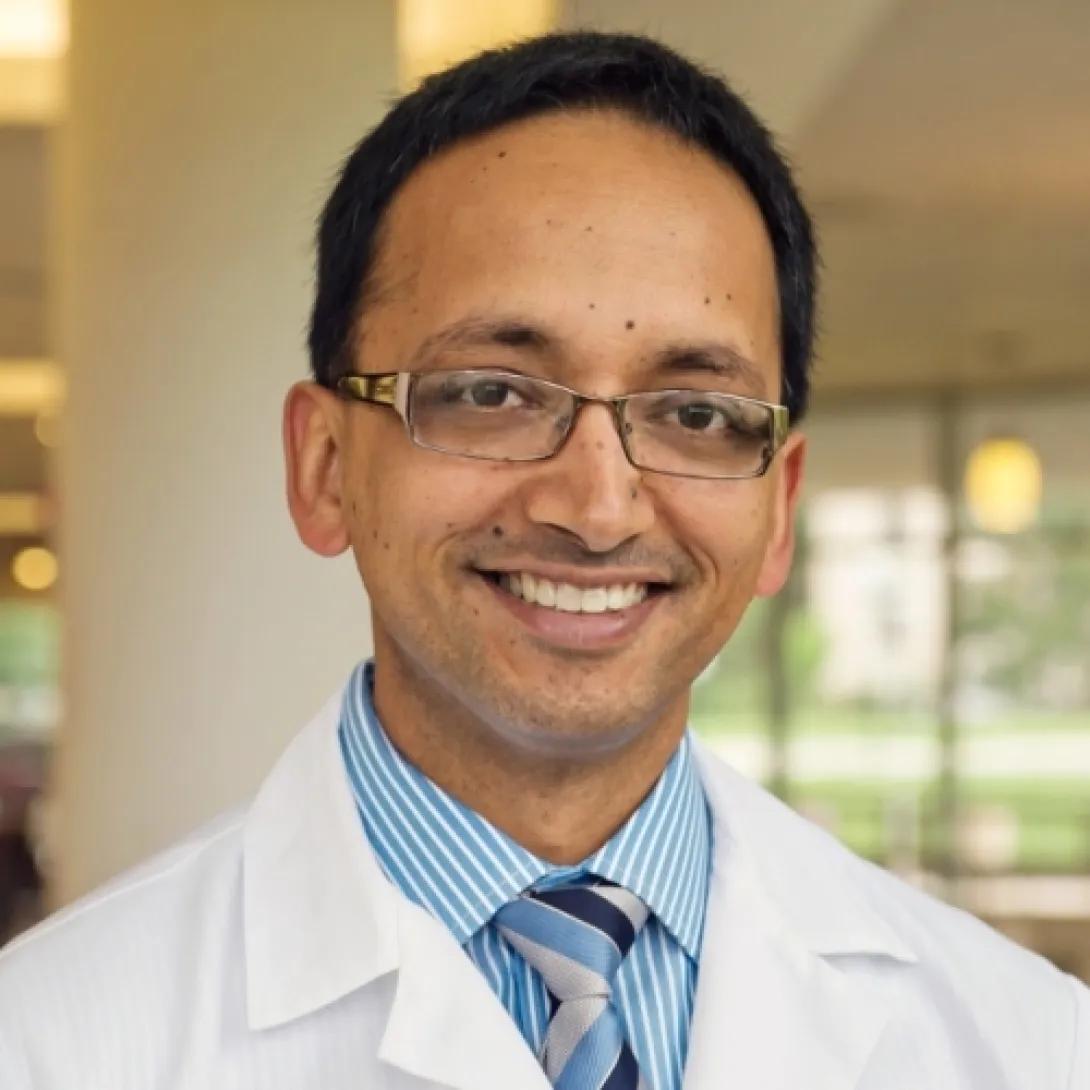
Hitinder Singh Gurm, MBBS
Professor
Cardiovascular Disease, Interventional Cardiology, Internal Medicine

Peter Kerr Henke, MD
Professor
Vascular Surgery, Surgery

Minhajuddin Syad Khaja, MD
Clinical Professor
Vascular & Interventional Radiology, Diagnostic Radiology, Interventional Radiology & Diagnostic Radiology

Xhorlina Marko, MD
Clinical Assistant Professor
Vascular & Interventional Radiology, Diagnostic Radiology


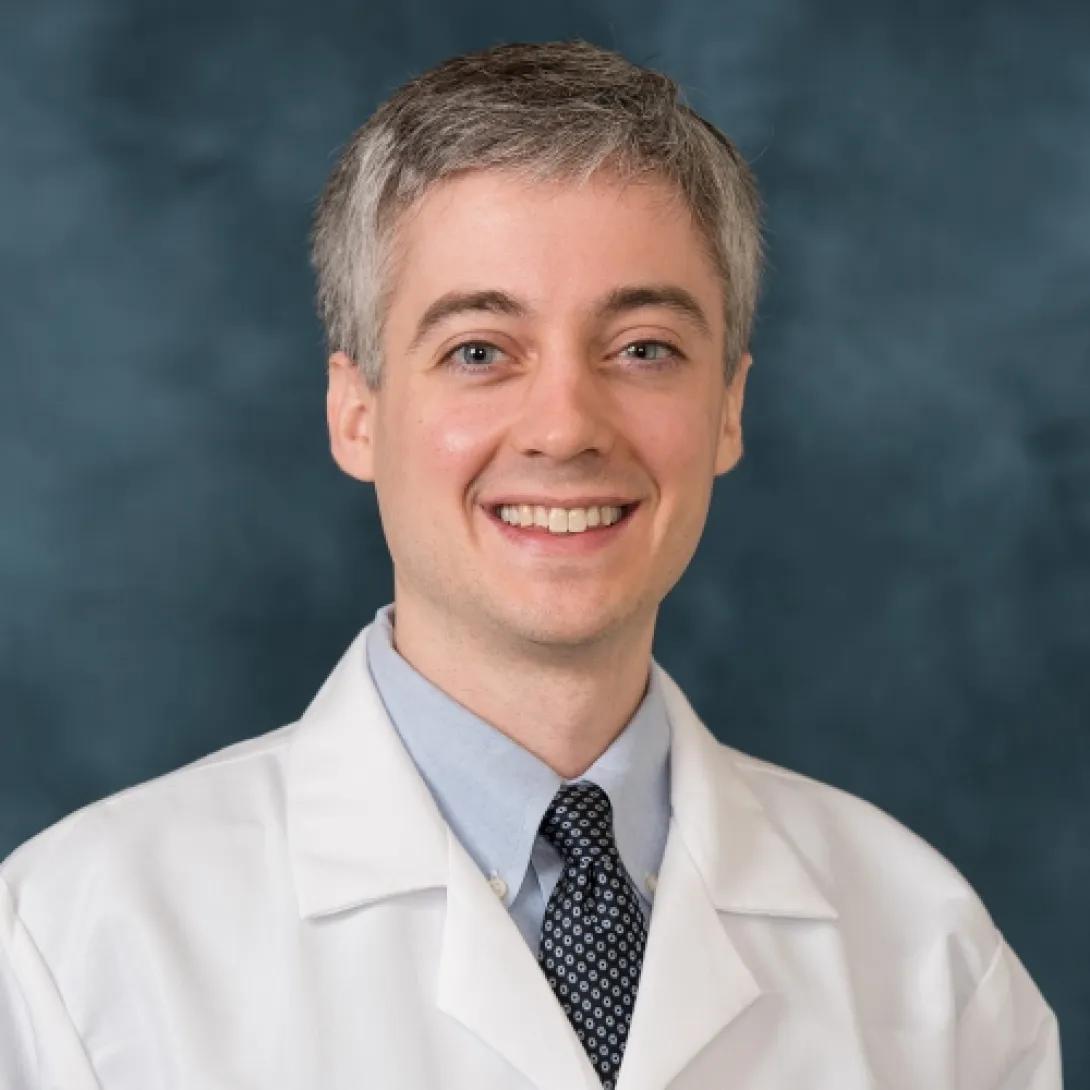
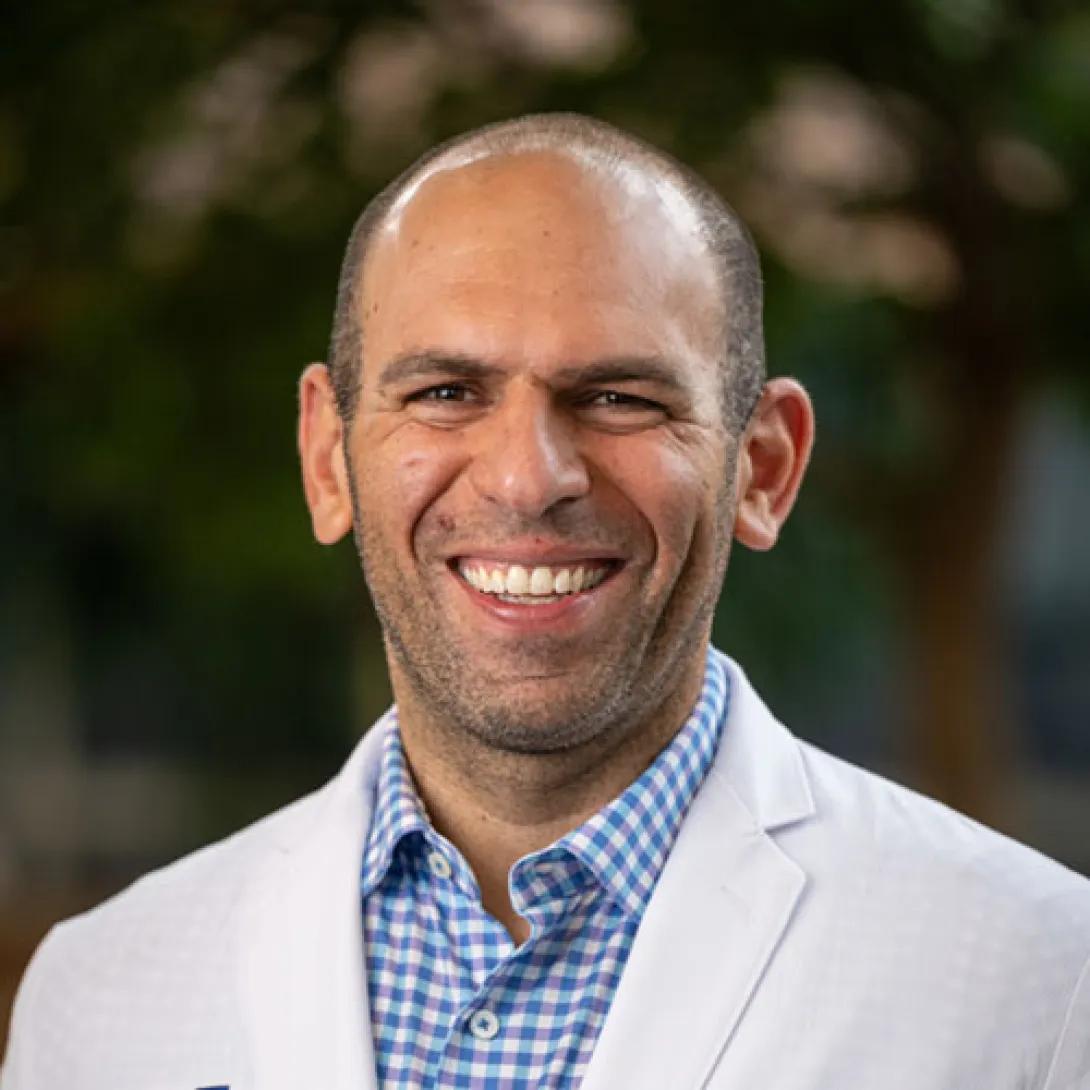
Providers

Ann Elizabeth Luciano, NP
Advanced Practice Nurse
Nurse Practitioner
News & Stories

Young father survives aortic dissection after delayed diagnosis

Treating a rare coronary artery aneurysm without open heart surgery
A night of two national titles for U-M, as scientists and basketball players both triumph

Delays in Heart Surgery for Women due to One-Size-Fits-All Criteria
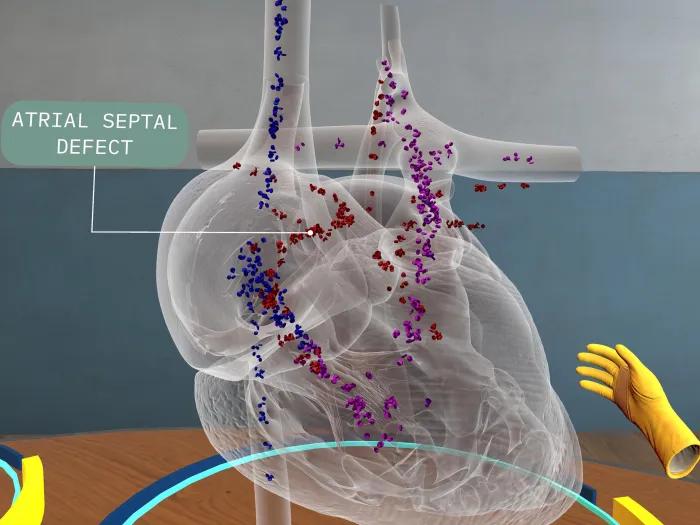
Virtual reality enhances training for pediatric cardiologists