Ear pain: what is it and how to fix it
Ear pain can cause a kid extreme discomfort. Know the tips and tricks to help them
8:33 AM
Author |
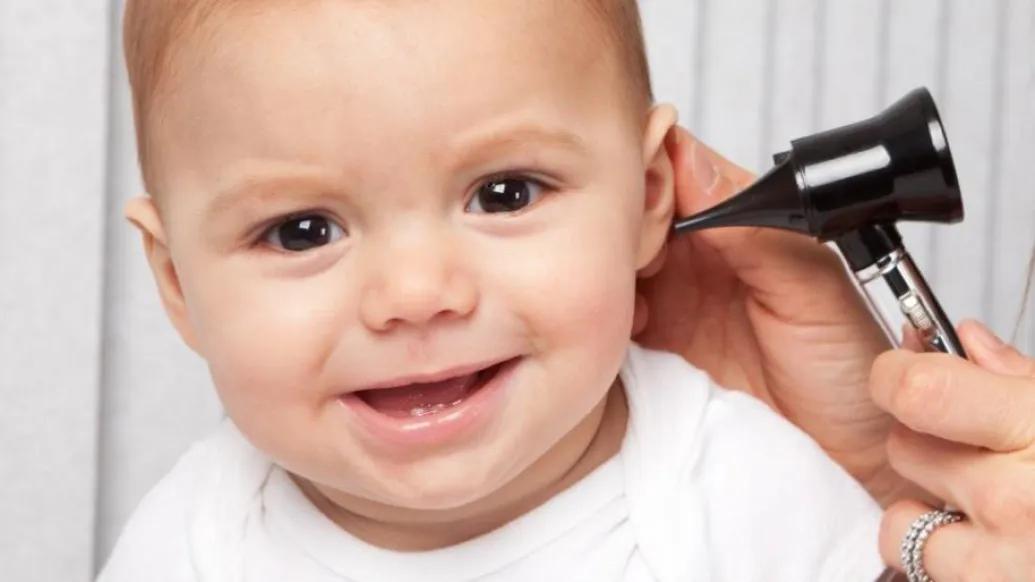
Ear pain, or otalgia, can be a common reason children visit a physician. There are several causes of ear pain including teething, a sore throat, an ear infection or blocked Eustachian tubes.
Fluid behind the eardrum
Fluid behind the eardrum, or otitis media with effusion, occurs when the Eustachian tube that connects the middle ear to the back of the nose becomes blocked. This allows fluid to collect behind the eardrum. Since there’s no infection, antibiotics aren’t beneficial and treatment is aimed at symptomatic control, such as giving acetaminophen or ibuprofen as needed to relieve pain. Warm compresses can be used as well.
Otitis media with effusion generally self-resolves within three months and temporary, mild hearing loss can be associated with it, too.
Strategies to help with hearing loss, if present, include:
- Speaking directly to your child in a louder voice than normal, making good eye contact and using gestures
- Reducing background noise when talking to your child (i.e., lowering the volume on the TV and radio)
If fluid persists for longer than three months or hearing loss is a concern, your child may be referred to an ear, nose and throat specialist or otolaryngologist for further evaluation. An ENT may discuss tympanostomy tubes, commonly known as ear tubes, which help drain fluid in the ear.
Ear infections
When the eustachian tube that connects the middle ear to the back of the nose becomes blocked, fluid collects in the middle ear space, letting viruses or bacteria grow, which in turn causes pain (acute otitis media). Commonly these ear infections may occur after or during a viral upper respiratory infection. Otitis media is more common in the winter and occurs more frequently in children who attend daycare. This is due to the increased number of viral infections seen in this group of kids.
Contrary to popular belief, otitis media doesn’t occur after getting water in the ear, and in some cases, antibiotics are prescribed to patients with an ear infection. Since ear infections aren’t always caused by bacteria, though, antibiotics aren’t always needed.
Strategies to prevent ear infections include:
- Keeping your child’s vaccinations up to date, especially pneumococcal and influenza vaccinations
- Avoiding exposure to second-hand smoke
- Breastfeeding your child exclusively for the first six months of life
- Avoiding bottle propping in babies
If a child has repeated episodes of acute otitis media (three episodes in six months or four episodes in one year), you may be referred to an ENT for tympanostomy tubes (or ear tubes) to help the fluid drain.
Swimmer’s ear
Swimmer's ear, or otitis externa, occurs when there’s an infection present in the external ear canal. This can occur if the skin in the ear canal becomes irritated or scratched and then develops an infection. Topical antibiotic drops are used in the treatment of swimmer’s ear, and ibuprofen or acetaminophen can be used to control pain.
For patients with recurrent swimmer’s ear, preventative measures include:
- Wearing ear plugs while swimming
- Drying the ear after swimming with a hair dryer on the lowest setting at least 12 inches away
- Using ear drops that contain acetic acid or alcohol after swimming
Eustachian tube dysfunction
The eustachian tube is a tube that runs from the middle ear to the nasopharynx (back of nose and top of throat.) This tube helps to equalize pressure across the tympanic membrane (ear drum) to protect the middle ear from infection and help clear middle ear secretions. Symptoms of eustachian tube dysfunction include ear pain, ear fullness, decreased hearing, tinnitus or popping/cracking in the ear.
Treatment involves treating the underlying cause of the eustachian tube dysfunction, which includes:
- Treating any underlying allergic rhinitis, rhinosinusitis, laryngopharyngeal reflux or GERD
- Eliminating exposure of second-hand smoke
Temporomandibular joint disorders
Problems with the hinge that connects your jaw to your skull, the temporomandibular joint, can cause referred ear pain. Additional symptoms of temporomandibular joint disorder can include jaw or facial pain, headache and pain with chewing or opening mouth. Temporomandibular joint disorders are more common in children over 10 years old.
Treatment includes patient education, avoiding triggers, jaw exercises, use of an occlusion splint (if grinding teeth is an issue), and use of anti-inflammatory pain medications.
Other causes of ear pain
Less common causes of ear pain include trauma to the ear or ear canal, foreign body in the ear canal or wax build-up. Other illnesses that can cause referred ear pain include teething, parotitis, sinusitis, pharyngeal infections, lymphadenopathy/lymphadenitis and cervical spine injury.
When should you seek help with your child's ear pain?
Call your physician or seek medical care if:
- Their ear pain is worsening, persistent or not controlled with supportive care measures
- There’s blood or pus draining from the ear canal
- The area around the ear starts to swell or become red
- Your child gets a new or higher fever
Caring for ear pain
Ear pain may be worse when lying down, so try to have your child sit or sleep with their head elevated. Warm compresses may help ease ear discomfort, however, be careful not to burn their skin. Acetaminophen or ibuprofen can be used to help discomfort, when following instructions on label or given by your physician.
Do not give aspirin to anyone under 18 years old, which has been linked to Reye syndrome, an illness that causes swelling in the brain and liver. Make sure to not to insert anything into the ear (including Q-tips, but you can clean the outside of the ear with a warm washcloth.
Written/reviewed by Lauren Reed, MD
Updated February 2020

Health Lab
Explore thousands of health news & research stories by visiting the Health Lab homepage for more.
Media Contact

Public Relations
Department of Communication at Michigan Medicine
Stay Informed
Want top health & research news weekly? Sign up for Health Lab’s newsletters today!
Featured News & Stories

Croup
Toddler’s Diarrhea

Sore Throat (Pharyngitis)

Vomiting and diarrhea in kids: symptoms, treatment and concerns

Stomachache