Adult Charcot-Marie-Tooth (CMT) Program
Adult Charcot-Marie-Tooth (CMT) Program
The Adult Charcot-Marie-Tooth (CMT) Program at U-M Health focuses on providing care to patients with inherited neuropathies. The CMT Program is a designated Muscular Dystrophy Association (MDA) Care Center and a CMT Association Center of Excellence.
Who We Treat
The CMT Program is equipped to care for a wide variety of patients including those who are still seeking a diagnosis of a suspected inherited neuropathy, the newly diagnosed and those with an established diagnosis.
Our Approach
We work through a multidisciplinary and evidence-based approach to achieve our mutual goal of maximizing function and quality of life of people living with CMT. Our expert healthcare team includes a neuromuscular specialist, a physiatrist, an orthotist and social workers. When indicated, we collaborate closely with orthopedic surgery, pulmonary and wheelchair seating.
Appointment Information
To make an appointment, call 734-936-9006.Typical appointment time is 1 to 2 hours for new patients and 1 hour for established patients. We will attempt to schedule same-day visits for multiple symptomatic family members (if desired) though each individual requires a referral to the clinic to facilitate scheduling.
Research
The CMT Program participates in research conducted through the Inherited Neuropathy Consortium. Our goal is to improve the functional outcomes of patients with CMT and promote research in the field. Participation in clinical research is voluntary and refusal will not affect patients' care.
Patient Resources
Locations
-
Physical Medicine & Rehabilitation Clinic | Eisenhower Corporate Park 2850 S Industrial Hwy Ste 400
Ann Arbor, MI 48104-6796Get Directions
Doctors
Gary W Gallagher, MD
Clinical Associate Professor
Neurology, Electrodiagnostic Medicine, Neuromuscular Medicine
Brett McCray, MD, PhD
Associate Professor
Neurology

Mary Megan Schmidt, DO
Clinical Associate Professor
Physical Medicine & Rehabilitation, Electrodiagnostic Medicine
News & Stories
A pediatric epilepsy fundraiser that changes lives
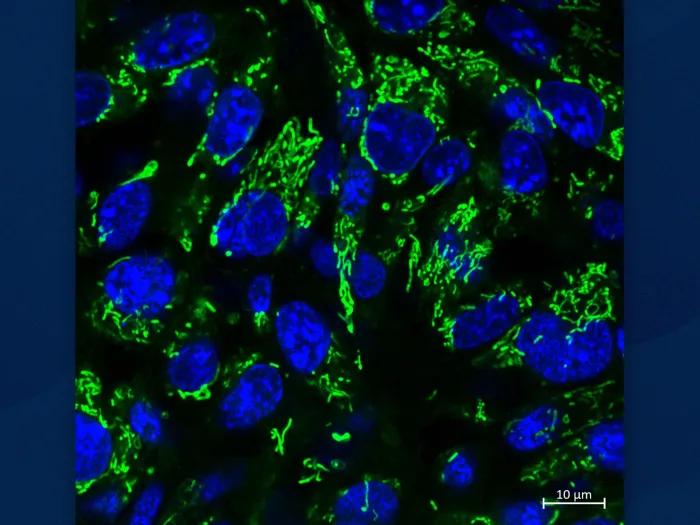
Engineered nanoparticles sensitize gliomas to radiotherapy
Trial focuses on duration of therapeutic hypothermia for out-of-hospital cardiac arrests

E-bikes are faster than ever. Are families prepared for the risks?
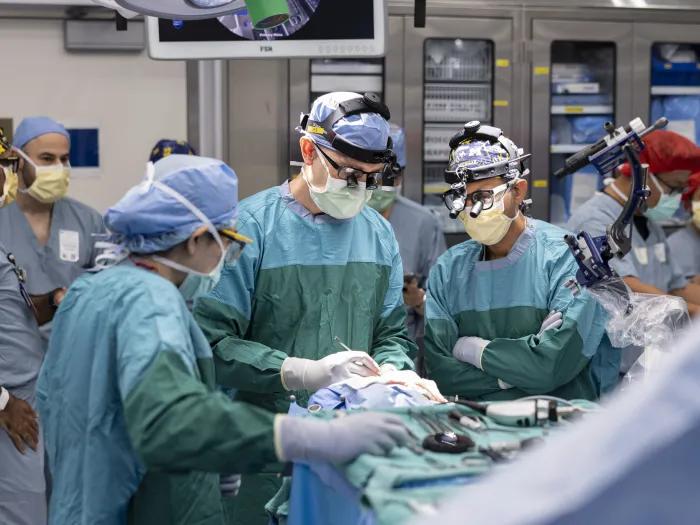
University of Michigan implants first-in-human Paradromics wireless brain-computer interface, designed to restore communication