HIV-AIDS Treatment Program
HIV-AIDS Treatment Program
In 1995, in response to the AIDS epidemic, University of Michigan Health established the HIV-AIDS Treatment Program (HATP). The HIV-AIDS Treatment Program offers both primary and specialized care to HIV-positive individuals. Investigational treatments are also available for interested and qualifying patients.
Our Approach
We provide complete care for the whole person through a multi-focused team approach that incorporates physical health care, mental health care and psychosocial support. Our HATP team is made up of specialists who are solely dedicated to providing care for people living with HIV and AIDS including infectious diseases physicians, a psychiatrist, social workers, medical case managers, a nurse, medical assistants and a dietician.
Services
Medical care & case management
- Expert management of HIV Infection and complications related to AIDS
- Primary medical care
- Coordination with your physician and medical case management
- Specialty referrals
Counseling & support
- Mental health counseling
- Harm reduction/Safer sex education
- Risk-reduction counseling and education: Includes assistance with substance use, disclosure, interpersonal concerns and other risk behaviors
- Tobacco cessation counseling
- Nutritional assessments, counseling and assistance
- Support group for gay and bisexual men living with HIV
General assistance & education
- General assistance: Includes assistance with transportation, financial concerns, housing referrals, and medical marijuana applications
- Insurance assistance: Includes assistance with patient’s insurance, Michigan HIV/AIDS Drug Assistance Program (MIDAP) and other insurance assistance programs, dental assistance, cost of medications or medical care, Medicaid or DHS issues, financial barriers, Social Security, SSI and FMLA papers
- Educational programs and events about living with HIV: Includes Annual HIV Update and Long-term survivors of HIV
Appointment Information
Please call the HIV-AIDS Treatment Program at 734-647-5899 or 888-229-7409.
New patients are scheduled to see one of the HATP physicians to establish care. At the appointment, patients will meet with a medical assistant, their physician, and potentially an attending physician.
One of our social workers will meet with the patient to conduct a complete assessment and create an individualized treatment plan. A new patient may also meet with a nutritionist, registered nurse, or a psychiatrist, however this may not occur at every new patient visit.
Once a patient meets all appropriate team members, the patient will be scheduled for the next visit and most likely will go to the lab to have blood work and other labs completed.
Individuals are seen more frequently when they are new patients, usually every 6-12 weeks for the first year. If a new patient comes to our program already on HIV medication, our provider will assess the regimen and its effectiveness, using diagnostic lab work, and the patient’s ability to take the medication every day without missing doses.
If a new medication regimen is indicated, our providers and staff will make certain patients are fully educated on the new regimen and have insurance coverage in place prior to any medication change.
After this step is completed, and if the patient is stable, they are seen twice a year for lab work and a physician visit. They may see or talk with a social worker, dietician, psychiatrist, or nurse more often, depending on need. A social worker will meet with most patients at least once each year to check in and do a brief re-assessment to identify new or ongoing needs.
Patients are screened for sexually transmitted infections, mental health, housing, substance abuse, smoking and income information yearly as part of the Ryan White HIV/AIDS Program federal grant, which funds the HATP.
Patient Resources
U-M Health (and the HIV-AIDS Treatment Program) is a community partner with the Prevention Access Campaign to support Undetectable = Untransmittable (U=U) U=U means that people living with HIV can feel confident that if they have an undetectable viral load and take their medications as prescribed, they cannot pass on HIV to sexual partners.
In endorsing the U=U message, U-M Health and HATP believe the following:
- We can comfortably say that a person living with HIV, who is on ART and has an undetectable viral load, cannot transmit HIV to sexual partners (endorsed by leading HIV experts and researchers from around the world).
- We agree that the health and prevention benefits of viral suppression are platforms to underscore the importance of universal access to treatment and care for all people living with HIV worldwide.
- We agree that treatment is a personal choice, that treatment is first and foremost for personal health, that there are unjust barriers to accessing treatment, that not all people living with HIV will achieve an undetectable viral load, and there is no place for stigmatizing anyone living with HIV at any viral load.
U=U offers freedom and hope. For many people living with HIV and their partners, U=U opens up social, sexual, and reproductive choices they never thought would be possible. U-M Health and HATP are proud to share the message of U=U with our patients and the wider community.
Our Consumer Advisory Council (CAC) is a group of HIV-positive individuals who want to use their experience to help others, ensure that we provide the best care possible, and talk about how their experience as a patient could be improved. If you are a patient of the HATP and would like to be involved with the CAC, please contact Charletta Hill, LMSW at [email protected] or 734-936-5212.
Research
Prior research efforts have been focused on the development of many of the antiretroviral medications that are presently in common use today. Researchers are now working on finding more long-term curative therapies by studying the HIV reservoir, which include investigating bone marrow stem cells as a reservoir site, as well as immune cells associated with the GI tract. Studies are collaborative in nature and involve large teams leveraging their individual areas of expertise to solve complex problems.
Locations
-
Infectious Disease Clinic | Brighton Center for Specialty Care 7500 Challis Rd
Entrance 1, Level 2
Brighton, MI 48116-9416Get Directions -
Infectious Disease Clinic | Canton Health Center 1051 N Canton Center Rd
Floor 3 Reception D
Canton, MI 48187-5097Get Directions -
Infectious Disease Clinic | Taubman Center 1500 E Medical Center Dr
Floor 3 Reception D
Ann Arbor, MI 48109-5378Get Directions
Doctors

Sandro Kurt Cinti, MD
Clinical Professor
Infectious Diseases, Internal Medicine

Tejal Nikhil Gandhi, MD
Clinical Professor
Infectious Diseases, Internal Medicine
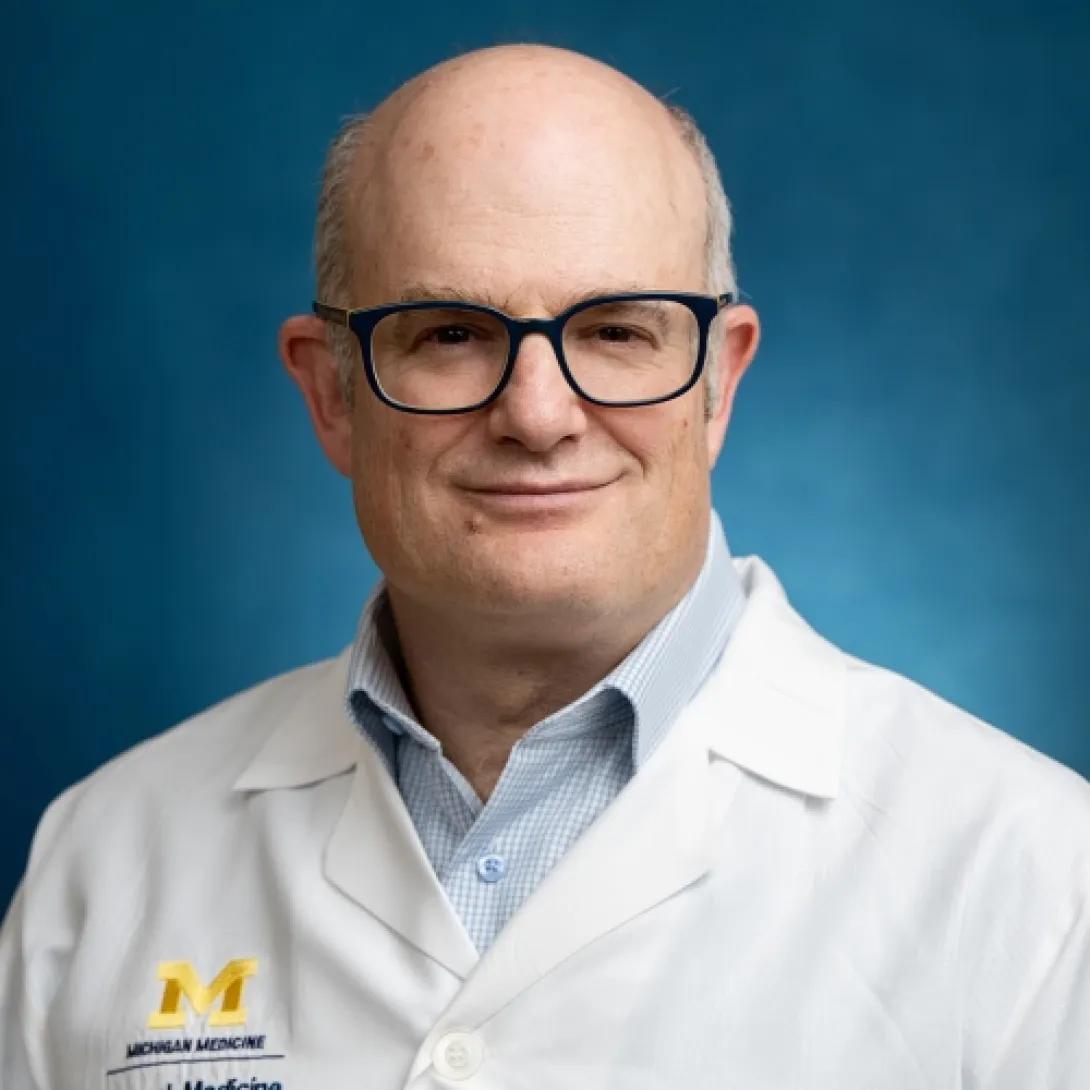
Daniel Richard Kaul, MD
Clinical Professor
Infectious Diseases, Internal Medicine
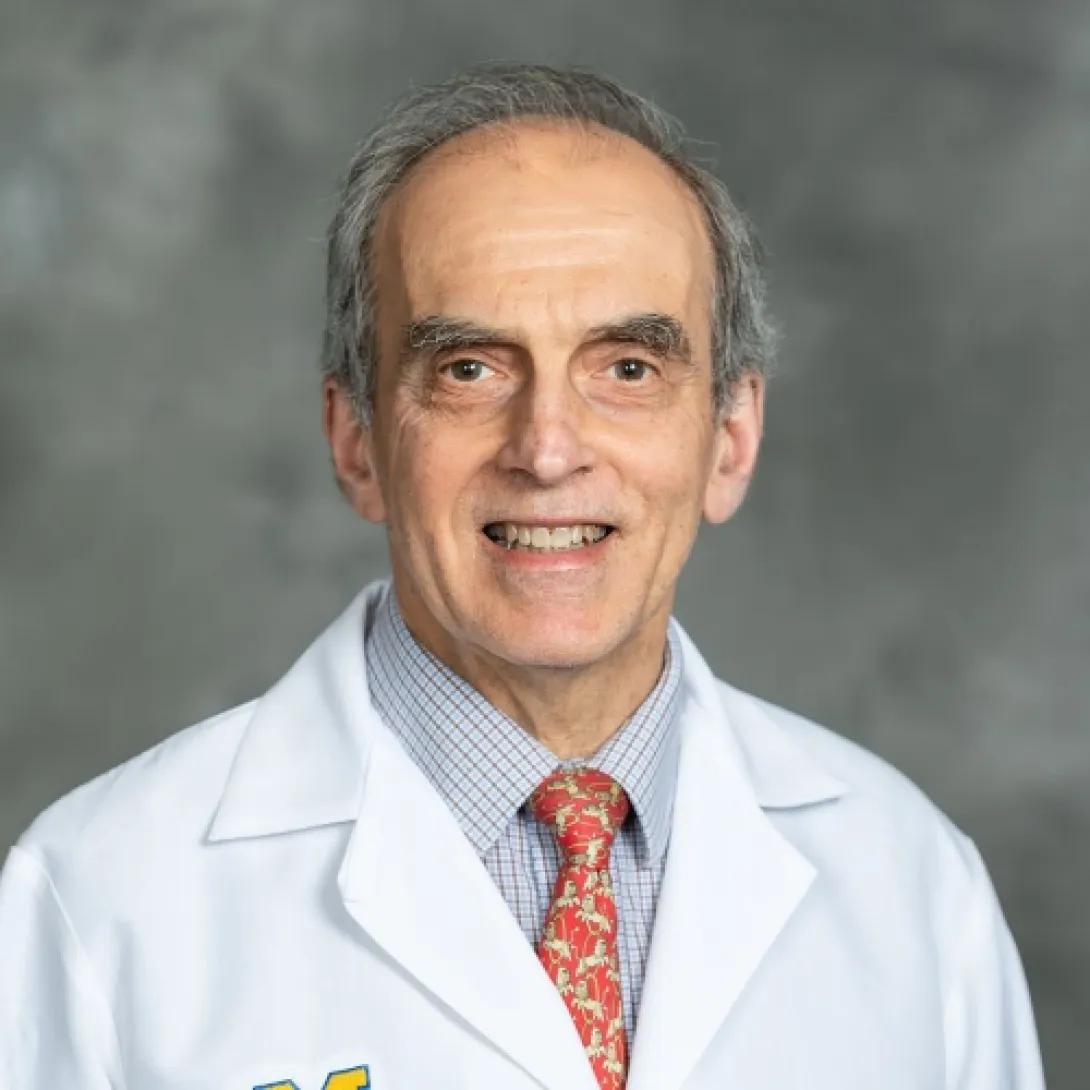
Powel Harold Kazanjian, MD
Professor
Infectious Diseases, Internal Medicine
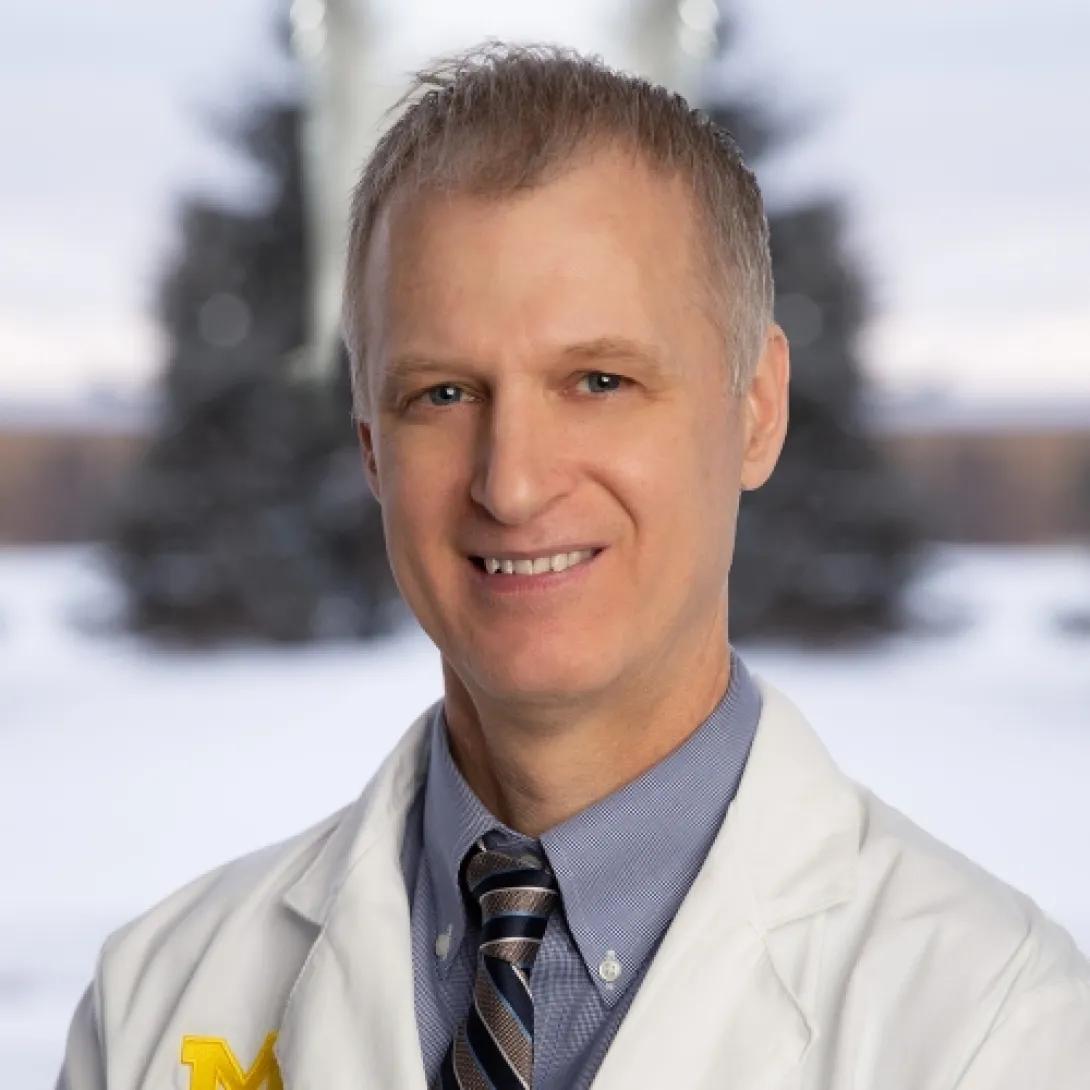
James Riddell, MD
Clinical Professor
Infectious Diseases, Internal Medicine
News & Stories
Human Rabies Exposures Growing Across the Country

Many hospitals still don’t do enough to prevent UTIs from catheters

15 years of data will help uncover how flu spreads—and how to reduce its impact

Rabies is on the rise: Experts offer advice
Cyclospora: What to Know About the Parasite Sweeping the Nation