
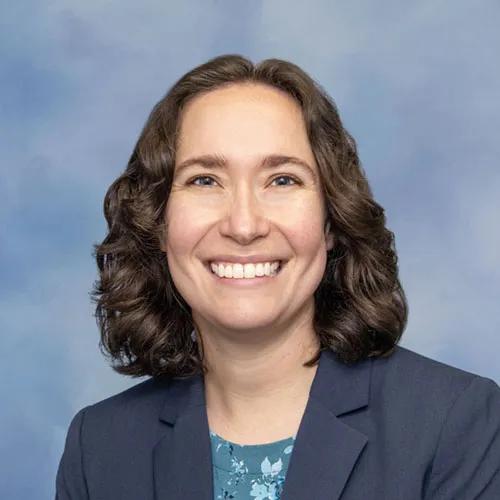
Phoebe Jordan, PhD
To request an appointment call
Manage Your Profile
About
Dr. Phoebe Jordan is a Licensed Psychologist with the Department of Pediatrics, Division of Pediatric Psychology at the University of Michigan Health System. She works within the Integrated Behavioral Health program and specializes in the delivery of brief, problem-focused behavior interventions for a variety of behavioral health concerns. These include depression, anxiety, disruptive behaviors, school difficulties, sleep and toileting concerns, picky eating, habit behaviors, and adjustment to traumatic stressors.
Dr. Jordan completed her graduate training program in school psychology at the University of Wisconsin-Madison. Her training included an internship and fellowship in pediatric psychology at the Munroe-Meyer Institute for Genetics and Rehabilitation at the University of Nebraska Medical Center, a site of the Nebraska Consortium in Professional Psychology. She received specialized training in ADHD, behavioral consultation with parents and teachers, trauma treatment, and early childhood mental health. She is a former collegiate athlete and enjoys working with children of all ages and their families.
Areas of Practice
Pediatric problems regarding ADHD, behavior management, anxiety, depression, school functioning, toileting, sleep, picky eating, tics and habits, family conflict, and other related concerns
Locations
-
U of M Psychology 300 W Michigan Ave
Ypsilanti, MI 48197-5443
Insurance Accepted
University of Michigan Health participates with most health insurance plans.
Education & Training
Medical School or Training
Fellowships
Professional Organizations
Research Overview
In her research, Dr. Jordan examines ways to develop streamlined and effective integrated behavioral health services systems within primary care practices. This includes examining patient and provider satisfaction as well as understanding how to provide early access to behavioral health services to promote positive mental and behavioral health and prevent problems from emerging or worsening. Her work involves learning from patients and providers directly through surveys and interviews and gathering data on how families do after receiving care. Her prior research has focused on adapting existing behavioral interventions to adolescent populations.
