
More articles about: Nutrition

Health Lab
Michigan’s aging brains need more protection, poll shows
Lifestyle changes can reduce risk of Alzheimer’s disease and other forms of dementia but a poll shows many Michiganders over 50 don’t know about or do them.
Health Lab
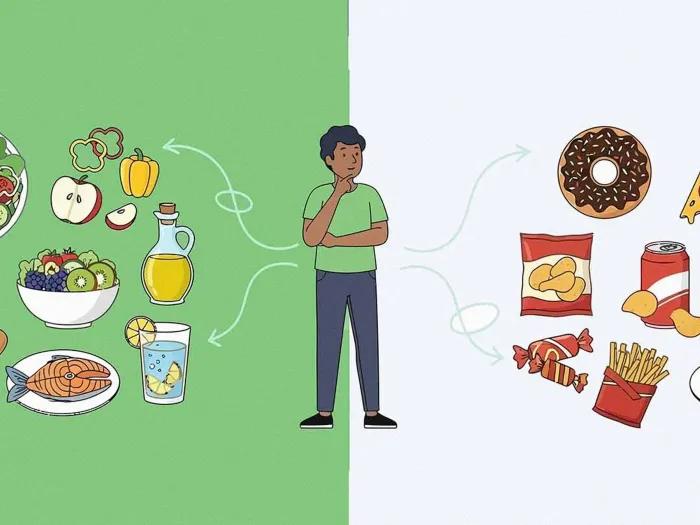
Processed foods may be fueling the rise in binge eating
Analysis shows highly processed foods aren't only common in binge-eating—they're nearly universal, says a University of Michigan study.

Health Lab
Supplementing with peptides: Good for extra pep or a needless step?
Health Lab talks to Jorge Ruas, Ph.D., of the U-M Department of Pharmacology, about peptides, how they work and whether supplementing them lends any benefit.
Health Lab
Few parents offer teens guidance on healthy eating during the holiday season
One in three parents say it’s difficult to talk with their teen about food and weight, rising to more than half among parents who believe their teen is overweight, suggests national poll.

Health Lab
Many older adults show signs of ultra-processed food addiction
Addiction to ultra-processed foods – sometimes called “junk” foods – is especially high among Generation X women and older adults who call themselves overweight

Health Lab
Children with chronic conditions may face higher risk of food insecurity
Food insecurity is more common among children with a chronic medical condition than those without one, a new study suggests.
Well-Being at Michigan Medicine
Mental health and building resilience: Practical tools for well-being in 2025
In this episode, Dr. Elizabeth Harry speaks with leaders from U-M (Dr. Kelcey Stratton), Office of Counseling and Workplace Resilience (Dr. Whitney Begeman) and MHealthy (Karen Schmidt) about key mental health and well-being challenges in 2025. They explore how post-pandemic trauma, burnout, social isolation and workplace stress continue to impact health care professionals.
The trio of guests share insights on practical tools like micro-breaks, peer support through the COMPASS program and nature-based practices from the NatureRx initiative. They emphasize the power of small, sustainable habits—like five-minute daily check-ins and better sleep hygiene—to boost resilience. Whether you're a caregiver, leader, or staff member, this conversation offers meaningful strategies for thriving in body, mind and spirit.

Health Lab
Super Bowl recipe ideas for balance-conscious snackers
If you’re looking to improve the balance of your favorite finger foods during Super Bowl, or any other festive time, try out these six simple, flavorful recipes by MHealthy, a University of Michigan wellness program.

Health Lab
Grandparents help grandkids in many ways – but the reverse may be true too
A poll shows the many ways (childcare, nutrition, major expenses) that grandparents help their grandchildren, but also suggests a link to older adults’ sense of isolation and their mental health.

Health Lab
Should teens use protein supplements?
A report highlights that many teens are using protein supplements, particularly protein powders, to improve their athletic performance and build muscle.

Health Lab
Diet while breastfeeding could be connected to baby’s nutrition
A study offers clues to how lipids, or fat, in a breastfeeding individual’s blood may be connected to their baby’s nutrition.

Health Lab
Playing short order cook, forcing clean plates may sabotage healthy eating habits in kids
While most parents of preschool and elementary aged children strive to give their children a balanced, nutritional diet, some of their strategies to promote healthy eating may backfire.

Health Lab
Formula prescription helps 2-year-old receive kidney transplant
Dinero's pediatric nephrology team developed a tailored formula to address his mineral deficiencies due to his chronic kidney disease, maintain nutritional health and avoid dialysis.
Health Lab
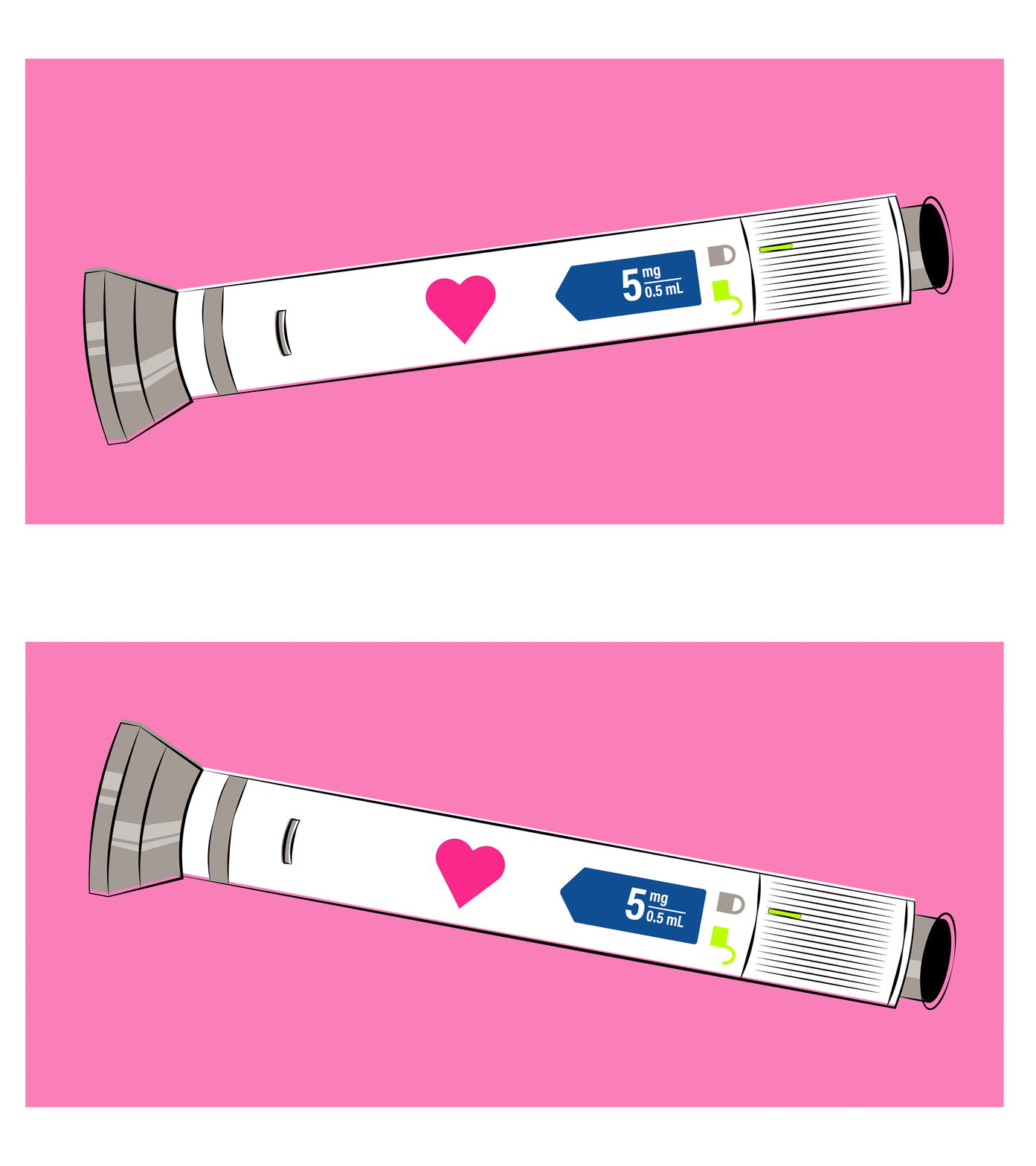
Should heart patients consider taking weight loss medications?
Cardiologist shares how weight loss medications may impact cardiovascular health.

Health Lab
Ketogenic diet helps 4-year-old live seizure free
Last year, a young girl experienced up to 40 seizures a week. Today, after nearly a year of working with the ketogenic diet team at University of Michigan Health C.S. Mott Children’s Hospital – overseen by a pediatric neurologist and dietitian – she’s celebrating six months of seizure freedom.
