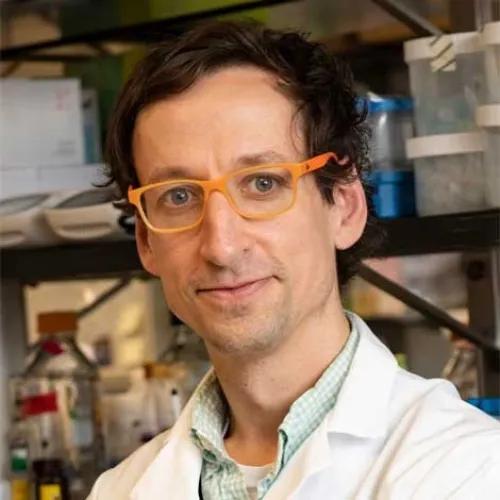
Carl Johannes Koschmann, MD
To request an appointment call
Manage Your Profile
About
Dr. Koschmann is a Pediatric Neuro-Oncologist in the Department of Pediatrics and a Principal Investigator of an independent translational Pediatric Neuro-Oncology laboratory. His work in the clinic and lab complement and drive each other, resulting in a clear goal to improve therapies for children with brain tumors. He has engaged in research and the clinical care of pediatric brain tumor patients at both Seattle Children’s Hospital and the University of Michigan’s Mott Children’s Hospital. The Koschmann laboratory is exploring the molecular mechanisms by which recurrent mutations in pediatric high-grade glioma (HGG), including glioblastoma (GBM), anaplastic astrocytoma (AA) and diffuse intrinsic pontine glioma (DIPG) promotes tumor formation and affect treatment response.
Dr. Koschmann has applied this precision medicine approach in translational and clinical work in Pediatric Neuro-Oncology. Along with researchers and colleagues from multiple clinical divisions at the University of Michigan and other institutions, he developed and co-facilitate the UM CNS Precision Medicine conference. In this multi-disciplinary and multi-institutional conference, molecular results are incorporated from pediatric brain tumor patients (paired tumor/germline sequencing results and pre-clinical cell culture treatment studies) into their treatment. Dr. Koschmann has established new algorithms and are in the process of developing multiple clinical trials incorporating the use of molecularly targeted therapy for pediatric patients with brain tumors. He will serve as PI for these trials and their biologic correlative research.
Areas of Practice
Dr. Koschmann is interested in the care of children and young adults with brain tumors. He specializes in the research and treatment of children with refractory and high-risk brain tumors, including high-grade glioma and DIPG.
Locations
-
Pediatric Oncology | C. S. Mott Children's Hospital 1540 E Hospital Dr
Floor 7 Reception C
Ann Arbor, MI 48109-4257Get Directions
Insurance Accepted
University of Michigan Health participates with most health insurance plans.
Education & Training
Medical School or Training
Residency
Fellowships
Board Certifications
Professional Organizations
Research Overview
The Koschmann lab is studying the molecular mechanisms by which mutations promote tumor formation and genetic instability in pediatric high-grade glioma (HGG), including anaplastic astrocytoma (AA), glioblastoma (GBM) and diffuse intrinsic pontine glioma (DIPG). Their work is currently focused on how mutations in pediatric and young adult HGG might affect response to novel DNA-damaging and immune-based therapies.
Additionally, along with researchers and colleagues from multiple clinical divisions at the University of Michigan and other institutions, Dr. Koschmann developed and co-facilitates the University of Michigan Brain Tumor Precision Medicine conference. This multi-disciplinary panel incorporates molecular results obtained from the brain tumors of children and young adults into the selection of targeted therapies with the highest likelihood of crossing the blood brain barrier. The Koschmann lab is working to develop new algorithms for the use of molecularly targeted therapy for children and young adults with brain tumors, and the U-M Brain Tumor Program already treated dozens of patients with agents selected from this translational program.
Links
Featured News & Stories

Brain cancer patient finds a way forward
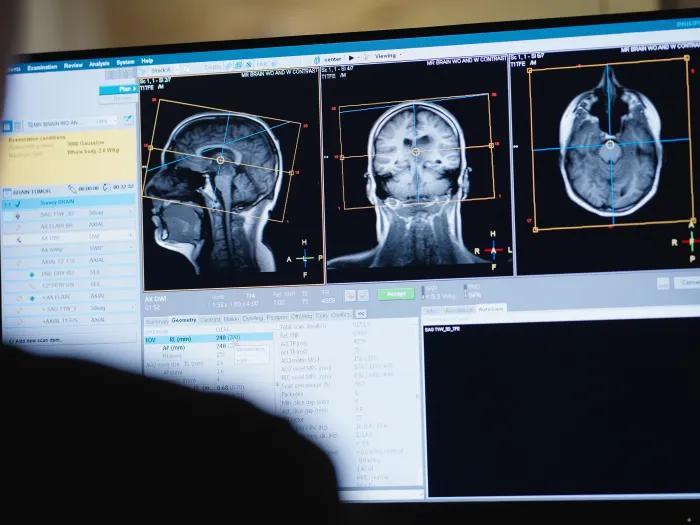
FDA clears new DMG treatment: What it means for a deadly pediatric brain tumor
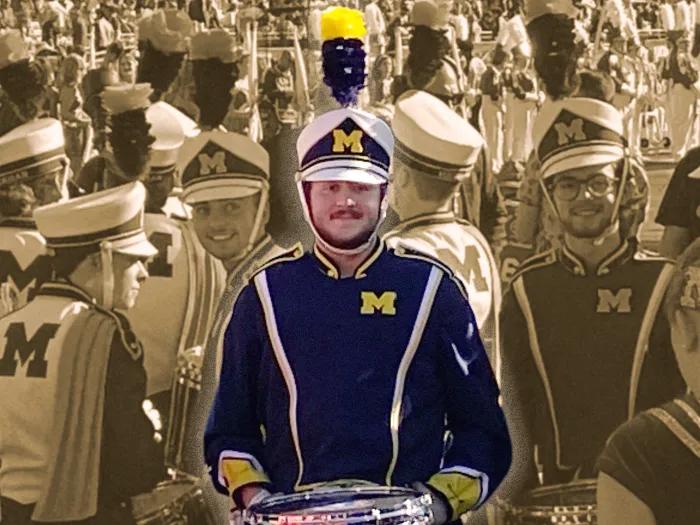
‘Beating the odds’: hope for U-M drummer with inoperable brain tumor