
More articles about: Surgery Pre- and Post-Operative

Health Lab
Kidney transplant recipient celebrates 10 year anniversary at Transplant Games
University of Michigan Health Transplant Center and U-M Health-Sparrow patient, Tami Skok is celebrating the 10-year anniversary of her kidney transplant by participating in the Transplant Games. She will be honoring her donor and his family as she represents Team Michigan.
Health Lab
A physician discusses the future of kidney transplantation
Silas Norman, M.D., University of Michigan Health Associate Transplant Center Director, talks about how U-M Health is participating in the Increased Organ Transplant Access (IOTA) model to ensure the ongoing success of its Kidney Transplant Program, one of the most advanced programs in the nation.
Health Lab
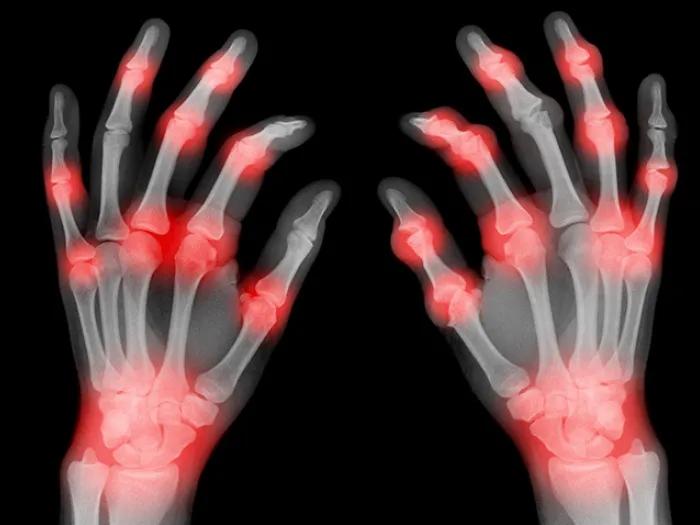
Treating arthritis of the hands
Arthritis of the hands, wrist and fingers can be unbearable, but a doctor says you don’t have to live in agony.

Health Lab
Study examines trends for use of medications for opioid use disorder among surgical patients
Mark Bicket, M.D., Ph.D., and his team examined trends in use of medications for opioid use disorder among surgical patients.
Health Lab
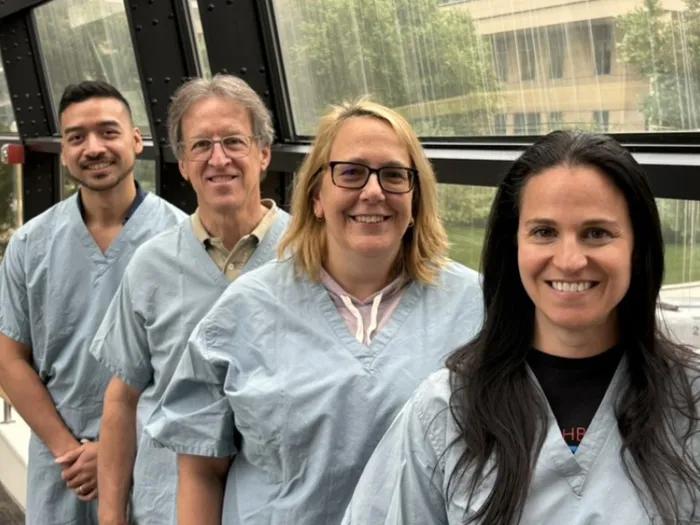
Surgeons and General Motors engineers partner to prevent automotive crash injuries
Michigan Medicine hosts the International Center for Automotive Medicine research center, and unique fellowship, that allows medical professionals and automotive engineers to partner on improving automotive safety and the prevention of injuries
Health Lab
Tailoring and teamwork help hospitals reduce wasteful pre-surgery testing
A new study led by a University of Michigan team shows a way to achieve sustained success in reducing unneeded pre-op testing. The findings have already spurred an expansion of the program, called Right-Sizing Testing Before Elective Surgery, or RITE-Size for short.
Health Lab
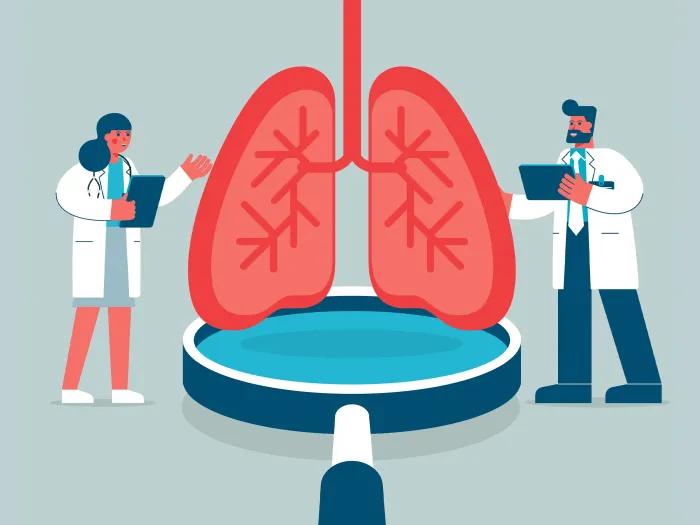
The most effective prevention method for complications post lung transplant
Out of the two most common treatments for chronic lung allograft dysfunction, a condition that can form after lung transplantation that has no treatment, a study from University of Michigan Health found that cyclosporine is not as effective as tacrolimus in preventing the condition.
Health Lab
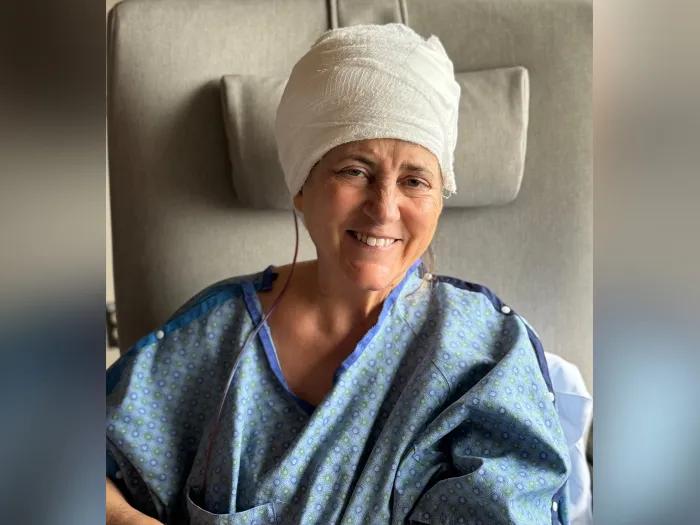
Aggressive brain cancer doesn’t stop woman’s positive perspective
Despite a devastating diagnosis of glioblastoma, Chris Barry is thankful for her family, friends and the care she’s receiving at Michigan Medicine.

Health Lab
Use of greener anesthesia protects patients and the environment
A study performed at Michigan Medicine reveals that the use of less polluting inhaled anesthetic agents reduced harmful emissions by 50% in one year without impacting patient safety or outcomes.
Health Lab
How can we cut wasteful pre-surgery testing?
Pre-operative tests in low-risk surgical patients dropped sharply, and safely, after a quality improvement effort aimed at reducing inappropriate care.
Health Lab
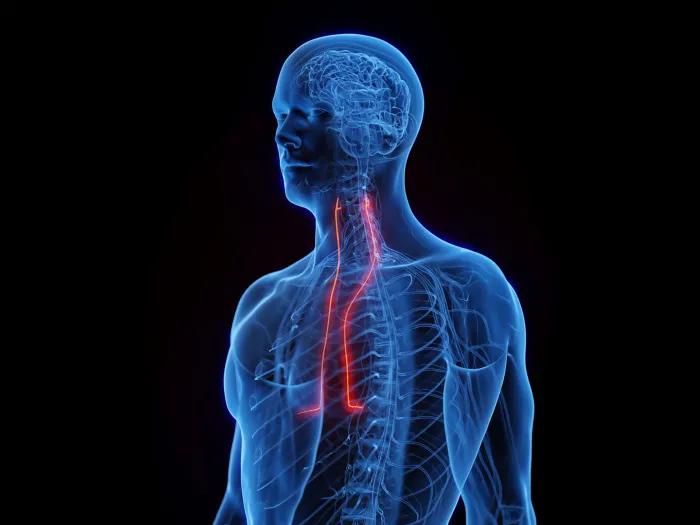
What is phrenic neuropathy?
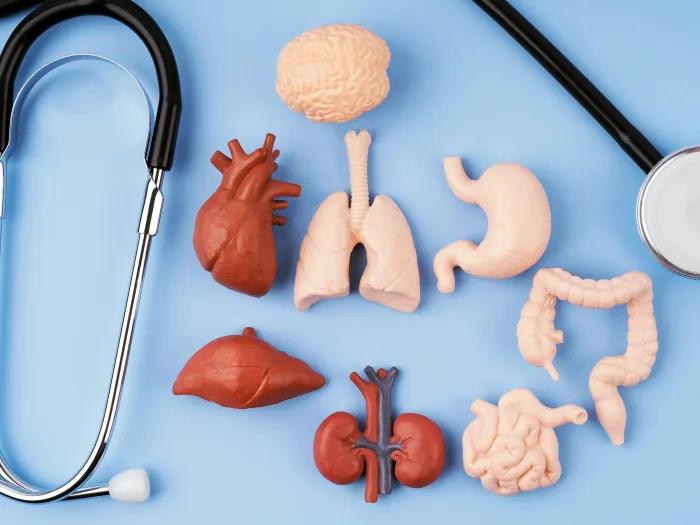
Phrenic neuropathy is a condition that impacts the nerve around the diaphragm making it harder to breathe, especially in situations such as lying down or being in water. The condition is treatable, with surgical intervention, physical therapy or by letting it heal over time.
Health Lab
Improving organ transplant donations through a national strategy
Many organs that are ready for donation are discarded for various reasons. The Organ Procurement and Transplant Network is finding ways to combat this to increase the number of transplants done per year.

Health Lab
Medicare prior authorization affecting plastic and reconstructive surgery didn’t have hoped-for effect
A policy to save Medicare money and speed up the move from hospital-based to outpatient-based operations is not having the desired impact and could be creating an increase in administrative workload, causing potential delays in care.

Health Lab
How the brain's inner chamber governs your state of consciousness
Investigators at Michigan Medicine, who are studying the nature of consciousness, have successfully used the drug to identify the intricate brain geometry behind the unconscious state, offering an unprecedented look at brain structures that have traditionally been difficult to study.
Health Lab
Normothermic perfusion system extends life of organs waiting for transplant
A team of researchers have spent the past eight years looking at better ways to transport organs for donation, specifically hearts, to improve the number of organs that can be used for transplants. They found that using a modified normothermic perfusion system heart preservation was feasible for up to 24 hours.
