
Carcinoid and Neuroendocrine Tumors
Carcinoid and Neuroendocrine Tumors
What are carcinoid & neuroendocrine tumors?
Neuroendocrine tumors (NETs) can occur throughout the body including in the intestine, lungs, stomach or pancreas. These tumors are rare and occur in only about 2 of every 100,000 people. Neuroendocrine tumors are related to endocrine, hormone-producing cells and can produce different hormones, including serotonin. In high levels this hormone can cause flushing and redness of the skin of the face, neck and upper chest which lasts for several minutes then resolves.
Carcinoid tumors are a subgroup of neuroendocrine tumors. Usually they'll be referred to as neuroendocrine tumors of the lung, gut etc. depending on their site of origin. Patients with carcinoids may develop diarrhea, heart valve problems and abdominal pain or intestinal obstruction.
Appointment Information
We offer diagnosis and treatment for those with neuroendocrine tumors through our Endocrine Oncology Program. If you have been diagnosed, or suspect you have adrenal cancer, patients, please call 734-647-8902.
Healthcare professionals, please contact our M-LINE service: 800-962-3555.
How are neuroendocrine tumors diagnosed?
The diagnosis of a neuroendocrine tumor requires blood and urine tests as well as imaging studies which often include a CT scan.
Depending on the location of the tumor and whether the tumor has spread throughout the body, treatment options can include medication treatment and/or surgical removal of the tumor.
How are neuroendocrine tumors treated?
Neuroendocrine or carcinoid tumors of the abdomen often involve sections of the intestine and/or the blood vessels which supply the intestines. Surgical removal of the tumor often requires resection of intestine. In patients where the tumor which has spread to the liver, surgical resection of part of the liver or other treatments to destroy these tumors may help to decrease the amount of hormone produced and thus improve symptoms.
There is a very wide spectrum of carcinoid tumors and the prognosis for patients is dependent on how early the tumor is treated. In very small, early tumors the cure rates are excellent, while in more advanced cases control of symptoms can be obtained with a combination of medical and surgical treatments.
The Multidisciplinary Endocrine Tumor Program at the UM Health Rogel Cancer Center is composed of endocrinologists, endocrine surgeons, radiologists, nuclear medicine specialists and oncologists who specialize in the diagnosis and treatment of carcinoid and intestinal neuroendocrine tumors.
Locations
-
Endocrine Oncology Clinic | Rogel Cancer Center 1500 E Medical Center Dr
Floor B1 Reception A
Ann Arbor, MI 48109-5911Get Directions
Doctors

Tobias Else, MD
Associate Professor
Endocrinology, Internal Medicine

Paul Glenn Gauger, MD
Professor
Surgery, Surgical Critical Care

Evan Scott Glazer, MD
Clinical Professor
Surgery, Complex General Surgical Oncology
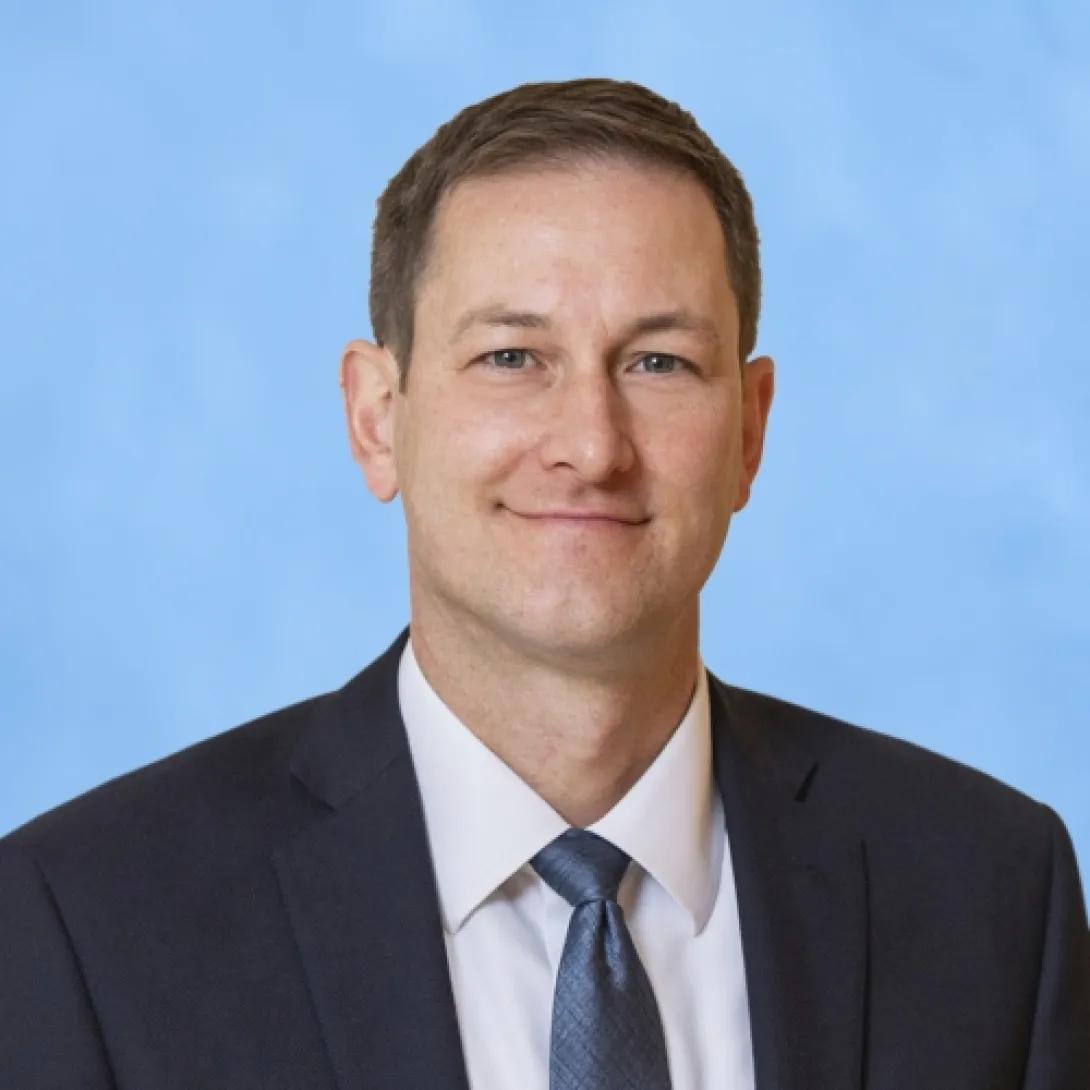
David Thomas Hughes, MD
Clinical Associate Professor
Surgery

Shruti Jolly, MD, MBA
Clinical Professor
Radiation Oncology
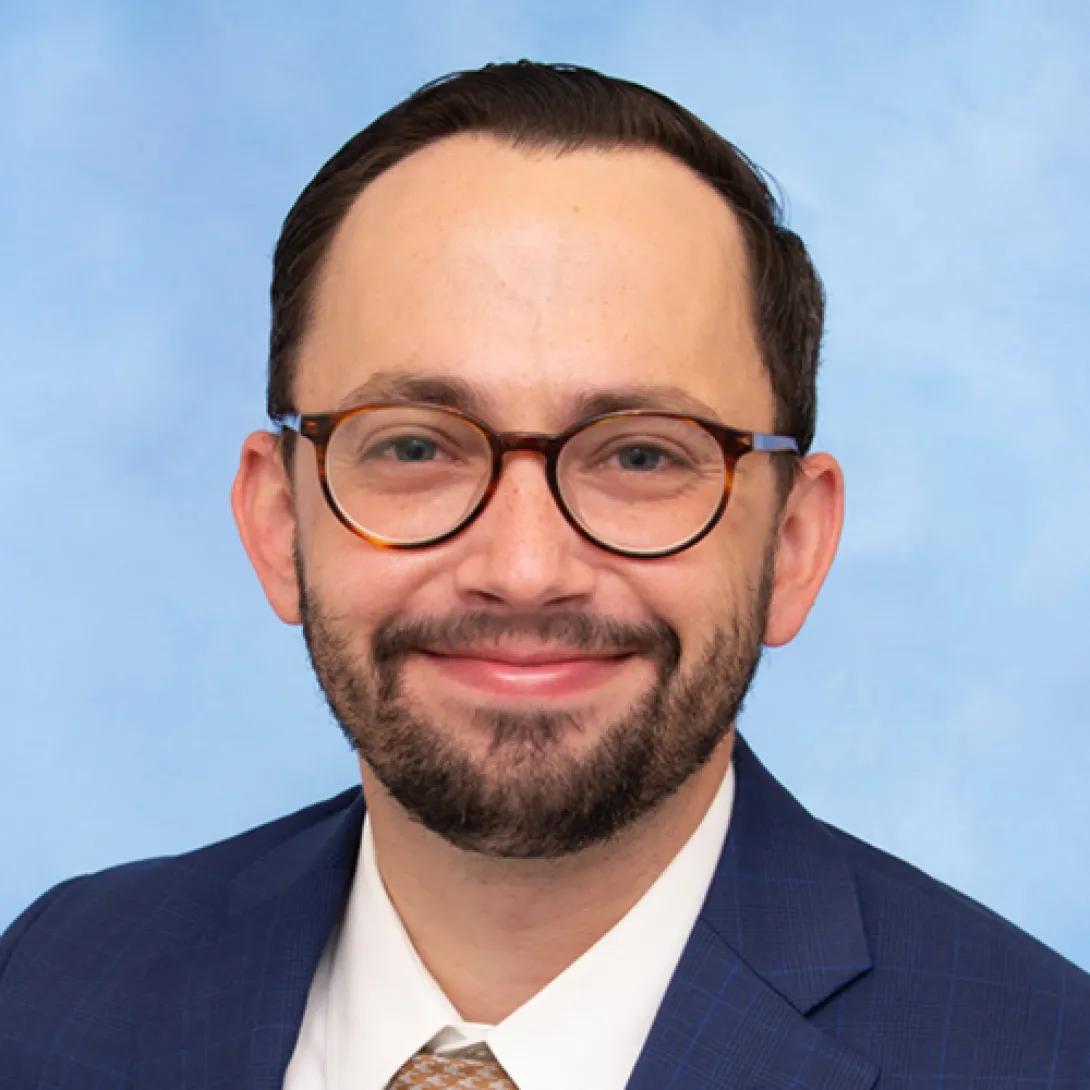
Hunter J Underwood, MD
Assistant Professor
Surgery
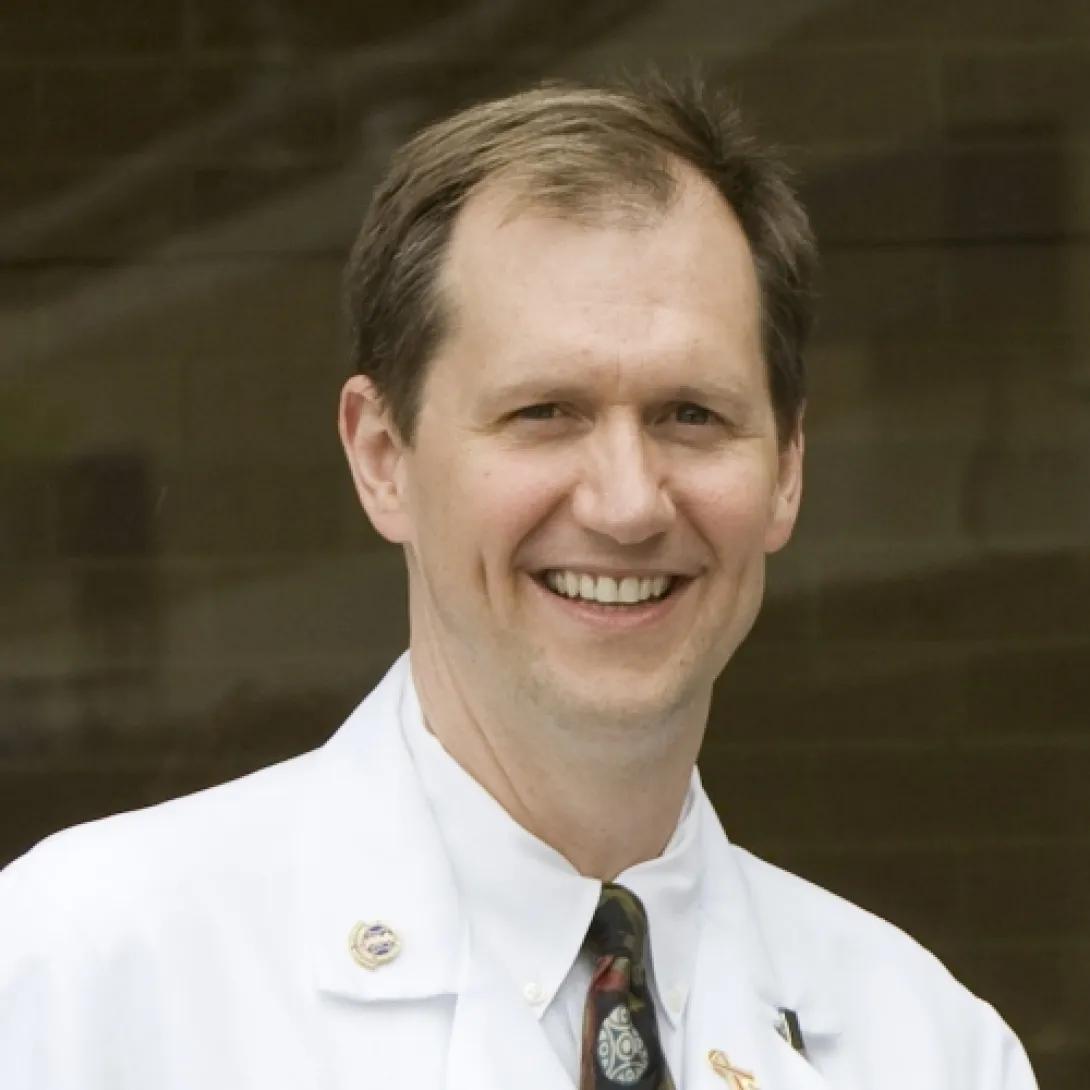
Francis Paul Worden, MD
Clinical Professor
Medical Oncology, Internal Medicine, Pediatrics
Providers

Elizabeth A Hesseltine, NP
Advanced Practice Nurse
Nurse Practitioner
Taleen Anoush Long, PA-C
Physician Assistant
Physician Assistant
