
Refractive Surgery Screening Appointment
Refractive Surgery Screening Appointment
A screening ensures you’re a good candidate for refractive surgery, helps prevent risks, and lets you explore the best, safest options for your vision goals.
Our approach
This preoperative evaluation is extremely important and typically takes about two hours at the Kellogg Eye Center.
Because we value continuity of care, the physician you meet during this appointment will also perform your surgery and see you at all follow-up visits.
During your screening, your physician will:
- Review the results of all tests
- Explain the surgery in detail
- Discuss possible risks and expected results
These findings help determine if refractive surgery is right for you—and which procedure is best suited to your eyes.
Appointment information
We’re always happy to answer your questions or help you schedule an appointment. Call us at 734-615-8441 or email [email protected].
How to prepare for your screening
To ensure accurate results:
- Stop wearing soft contact lenses for at least one week before your appointment
- Stop wearing hard or rigid gas permeable lenses for at least three weeks
- Bring a list of questions you’d like to ask—your comfort and understanding are important to us
What to expect at your screening
During your screening appointment, your ophthalmologist will assess whether you’re a good candidate for surgery. Generally, a good candidate is over the age of 21, has had a stable prescription for 6 months; is nearsighted up to 20 diopters, farsighted up to 4 diopters, or has astigmatism up to 5 diopters; is not pregnant or nursing; and has no history of herpes infection in the eye, keratoconus, advanced glaucoma or cataracts.
We will also discuss potential risks, which can vary by procedure type. Laser surgery risks may include over- or under-correction, dry eyes, glare, halos, or—in rare cases—scarring or decreased vision. Non-laser procedures may cause light sensitivity, night vision difficulty, or temporary over-correction.
At Kellogg, ophthalmologists discuss the risks, benefits, and probable outcomes with their patients before surgery. We want to be certain you feel comfortable and are fully informed before proceeding with refractive surgery.
After a refractive procedure, most patients can see well enough without their glasses or contact lenses to perform all daily activities, including driving. However, people over the age of 40 may need to wear reading glasses after the procedure. The most common complications are under- and over-correction, which can be successfully treated. You will have a good idea about what to expect after your ophthalmologist has examined you, reviewed all of the screening tests, and explained the surgery to you.
Tests included in your screening
Your evaluation will include a comprehensive set of tests to assess your overall eye health and surgical candidacy:
- Dilated Eye Examination: To closely examine the internal structures of your eyes.
- Visual Acuity: We measure both your uncorrected and corrected distance and near vision—this is key to determining your eligibility and which procedure will deliver the best results.
- Corneal Topography: Using a Pentacam, we create a detailed map of your cornea to detect any irregularities that could rule out certain procedures.
- Slit-Lamp Examination: We examine the eyelids, conjunctiva, cornea, iris, and lens to detect any eye diseases that might require treatment before surgery or disqualify you from surgery.
- Corneal Thickness: Measured to determine how much tissue can safely be removed during surgery. Thin corneas may limit your options.
- Pupil Size: Measured in different lighting conditions with a pupillometer to guide the safest and most effective treatment plan.
- Intraocular Pressure: High eye pressure can be an early sign of glaucoma, which needs to be managed before surgery.
- Schirmer Test: Checks for dry eye, which can lead to increased irritation after surgery if not addressed.
- Fundus Examination: Allows us to examine the retina, optic nerve, and blood vessels for signs of underlying eye or systemic conditions.
- Ocular Motility: We check your eye muscle alignment to reduce the risk of double vision after surgery.
Locations
-
Cornea & Refractive Surgery Clinic | Kellogg Eye Center 1000 Wall St
Elevator B Floor 3
Ann Arbor, MI 48105-1912Get Directions
Doctors

Pauline Dmitriev, MD
Clinical Assistant Professor
Ophthalmology

Farida Esaa Hakim, MD
Clinical Assistant Professor
Ophthalmology
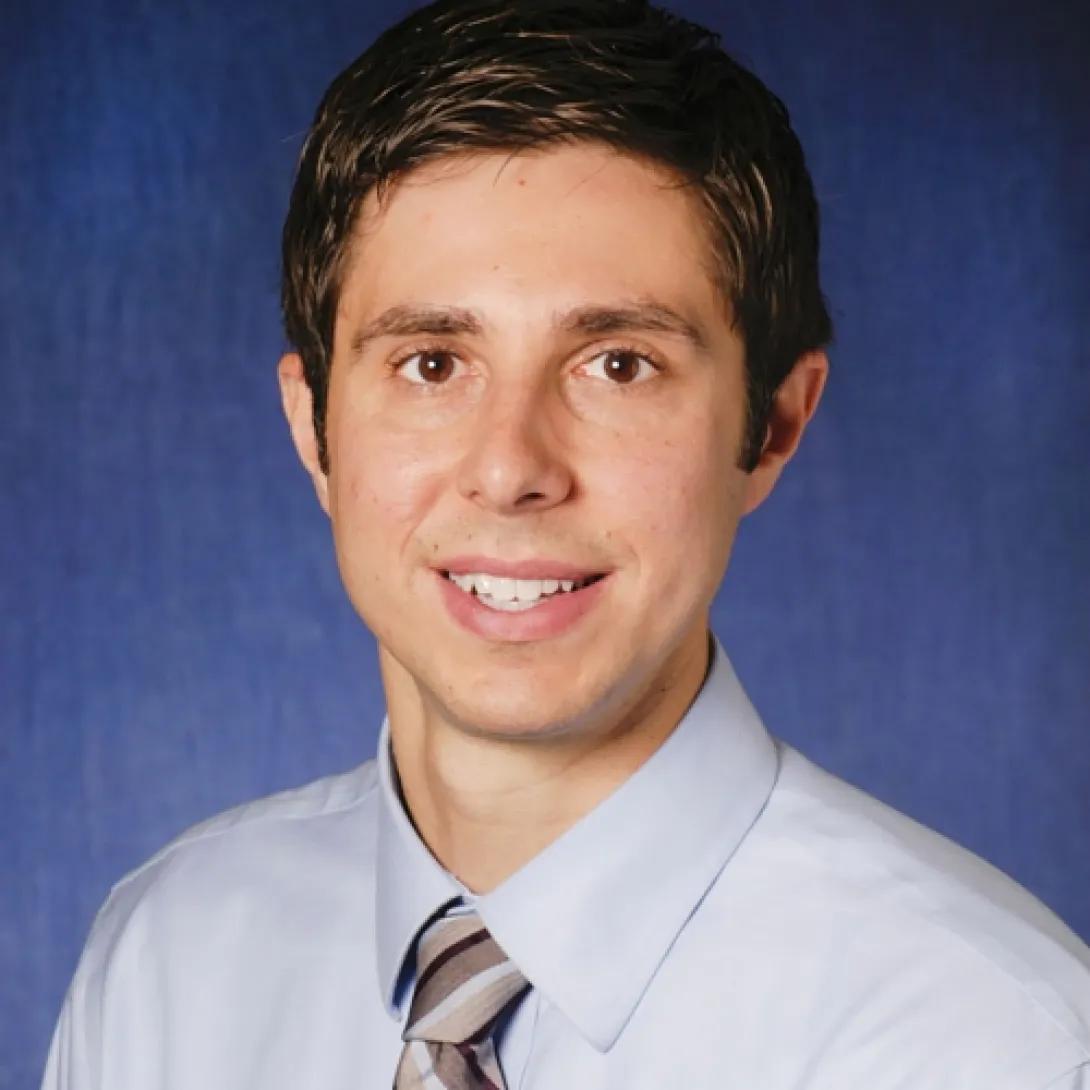
Christopher Thomas Hood, MD
Clinical Associate Professor
Ophthalmology

Jennifer Yeong-Hua Li, MD
Clinical Instructor
Ophthalmology
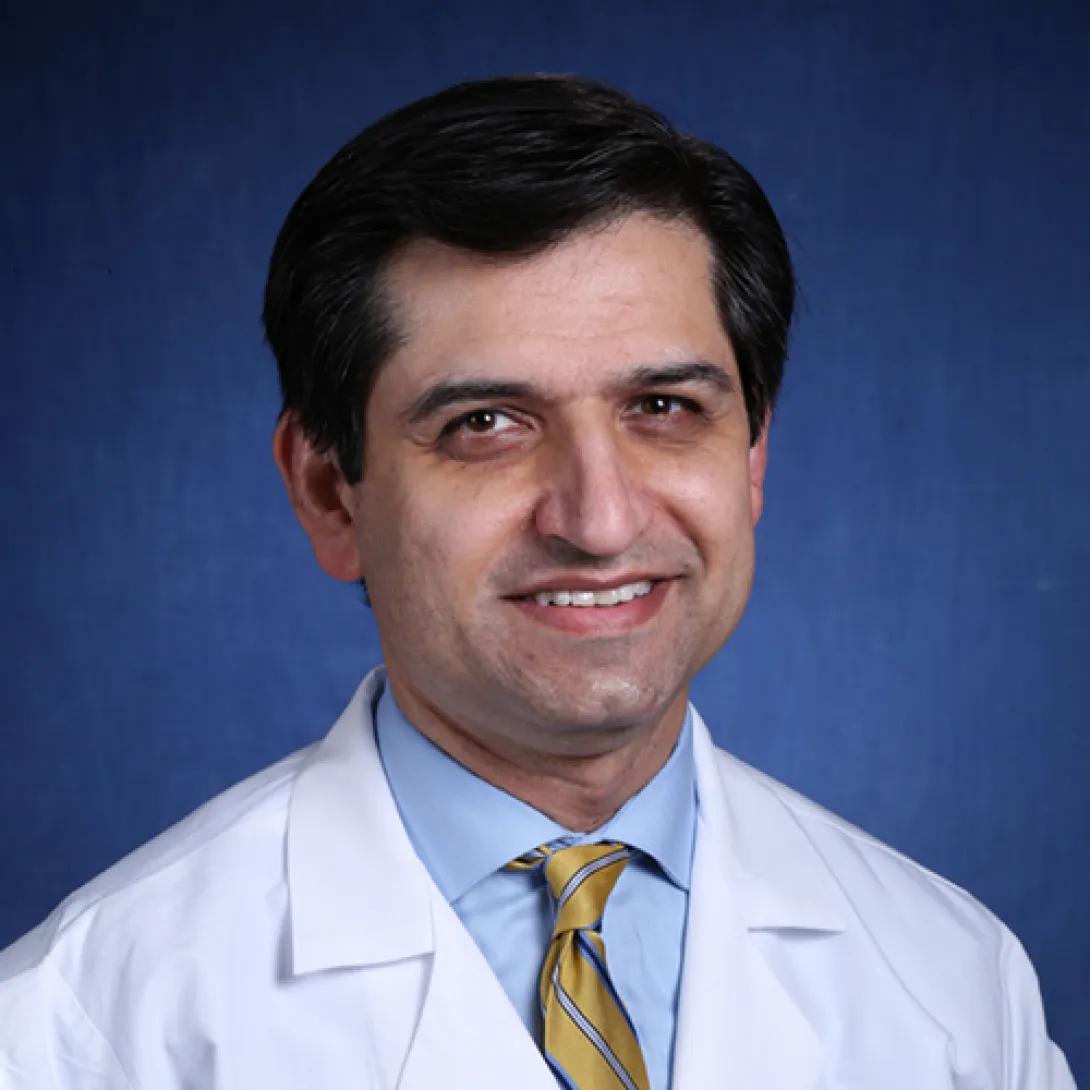
Shahzad Ihsan Mian, MD
Professor
Ophthalmology
