Precision Oncology Program (Pediatric)
Precision Oncology Program (Pediatric)
The Pediatric Precision Oncology Program at C.S. Mott Children’s Hospital is one of the leaders in the field of precision oncology in pediatric cancer care. Established in May 2012, our unique precision oncology program is a multidisciplinary effort involving clinical care and translational science with partners across the University of Michigan campus and beyond.
U-M Health brings together dedicated researchers and clinicians – from oncology, bioinformatics, immuno-hematology, cancer genetics, pathology, bioethics, and pharmacy to deliver resources to pediatric patients with hard-to-treat cancers.
Our Approach
Pediatric oncologist Dr. Rajen Mody and his team use next-generation sequencing approaches to treat the most difficult relapsed or refractory pediatric cancers. Together with Dr. Arul Chinnaiyan at the Michigan Center for Translational Pathology (MCTP), our program uses both tumor and normal (DNA) sequencing along with tumor transcriptome (RNA) sequencing to identify key genetic changes at the DNA and RNA level in an individual patient, which can be targeted by available biologic or immunotherapeutic agents.
Genomic findings are reviewed bi-weekly in multi-disciplinary Precision Medicine Tumor Board (PMTB) meetings, which bring together experts from bioinformatics, cancer genetics, adult and pediatric oncology, clinical pathology, pharmacy, and bioethics. The treating physicians of the patients scheduled to be discussed are invited to attend in-person or via teleconference software. Sequencing results are deliberated by the board and potential treatment options and available clinical trials are discussed to determine the best course of therapy for the patient. Additionally, U-M's Brain Tumor (CNS) Precision Medicine Conference is held once a month with the goal of identifying precision-medicine-based therapies for pediatric brain tumor patients.
The strength of our program comes from a collaborative team approach, not just within our own institution, but extending to scientists and physician scientists at other centers. Our faculty have forged strong industry partnerships to transition our findings into clinical applications. We welcome inquiries for collaboration with researchers and physicians in academia, health care organizations, as well as industry groups. Our Pediatric Precision Oncology Program has formed tremendous collaborations with the University of Michigan Chad Carr Pediatric Brain Tumor Center and the ChadTough Foundation, who are committed to advancing treatment for children diagnosed with brain tumors.
In a majority of cases, a patient’s existing, archived tumor tissue from prior biopsies or surgery can be used for the genetic sequencing analysis. Patients are also asked to provide buccal (cheek) swabs and a blood or saliva sample as normal DNA. As part of patient consent and enrollment, a member of the study team meets with the patient and their parents to discuss the genomic sequencing process, including the benefits and drawbacks of receiving the optional incidental germline findings and the implications of those results on the patient as well as their family members.
Once the patient and/or their parent consents, the study requires about 3 weeks to be completed and the patient’s care team is notified of results in real-time.
Appointment Information
For more information about pediatric precision oncology at C.S. Mott Children’s Hospital, contact our clinical research coordinator by email or at 734-764-9306. To inquire about becoming a patient or getting a second opinion, contact our pediatric oncology clinic at 734-936-9814.
Research
The team was first to publish their findings in the Journal of the American Medical Association and was recognized as one of the most important scientific articles for 2015 by the Epidemiology and Genomics Research Program. Overall the study team found new information that resulted in new treatment recommendations, change in diagnosis or information important to other family members for cancer screening in about 60% of the patients. A majority of these patients had no known treatment available before the study. However, the treatment changes based on study recommendations resulted in several patients achieving long lasting remissions including in patients with leukemia, solid tumors and brain tumors.
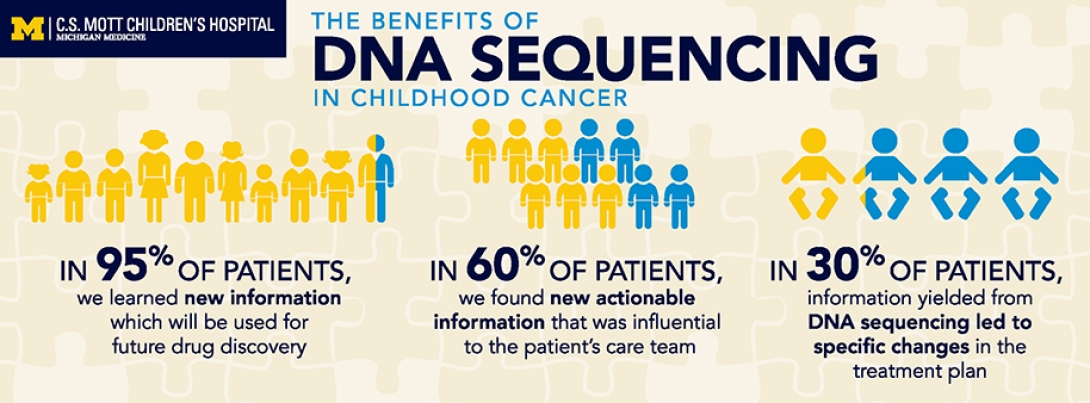
In 95% of patients, we learned new information which will be used for future drug discovery
In 60% of patients, we found new actionable information that we influential to the patient's care team
In 30% of patients, information yielded from DNA sequencing led to specific changes in the treatment plan
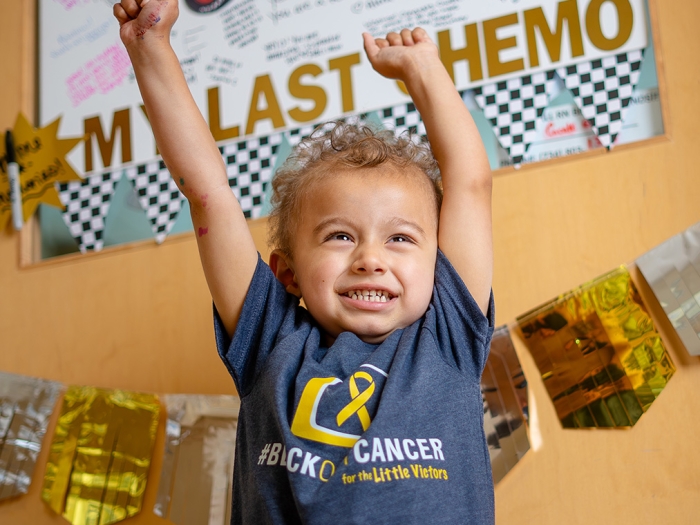
Block Out Cancer
Learn how you can be part of our efforts to #BlockOutCancer.
Locations
-
Pediatric Oncology | C. S. Mott Children's Hospital 1540 E Hospital Dr
Floor 7 Reception C
Ann Arbor, MI 48109-4257Get Directions
Doctors
Carl Johannes Koschmann, MD
Associate Professor
Pediatric Hematology-Oncology, Pediatrics
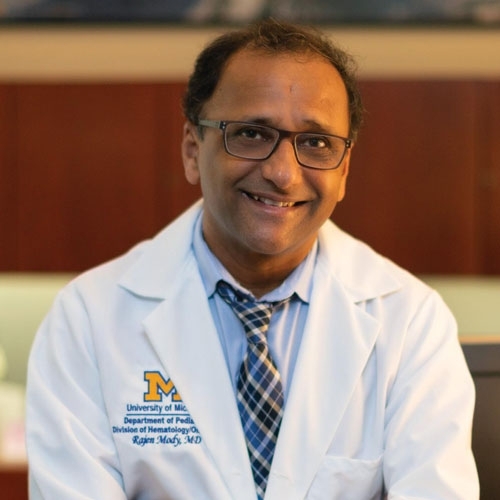
Rajen Mody, MBBS
Clinical Professor
Pediatric Hematology-Oncology, Pediatrics
John Prensner, MD
Assistant Professor
Pediatric Hematology-Oncology, Pediatrics
News & Stories
U-M researcher receives Cancer Grand Challenges funding to crack the dark proteome of cancer
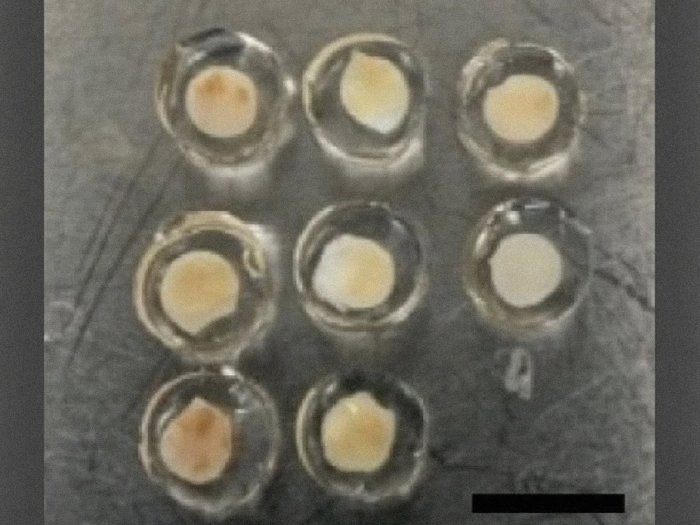
Encapsulated ovarian donor tissue restores ovarian function in mice
Rare infant triplet overcomes one-in-a-million type of liver cancer
Parolia Lab Receives Grant to Fund New Pediatric Cancer Research
4-year-old pediatric brain cancer patient wins over his care team with cheerful personality