Hashimoto's Disease
Hashimoto's Disease
What is Hashimoto's Disease?
Hashimoto's thyroiditis - also called Hashimoto's disease, chronic autoimmune thyroiditis, or chronic lymphocytic thyroiditis - is an autoimmune disease. The disorder causes the body's immune system to produce antibodies that attack thyroid tissue and eventually destroy the thyroid gland, leading to hypothyroidism, or the underproduction of thyroid hormone.
Hashimoto's thyroiditis is the most common form of autoimmune thyroid disease. It can occur at any age, but is most often seen in women and older adults. The disease does not cause any pain and often goes unnoticed for years. This, and the fact that it can present with various combinations of symptoms, makes diagnosis difficult.
What are the causes of Hashimoto's disease?
Although Hashimoto's thyroiditis most commonly causes hypothyroidism, in some cases, it will first cause enlargement of the thyroid gland (goiter) and temporary thyroid gland overactivity (hyperthyroidism). This is called hashitoxicosis, and it is almost always followed by development of hypothyroidism.
Hashimoto's thyroiditis is associated with other conditions, including diabetes, Addison's disease, rheumatoid arthritis, pernicious anemia, and premature menopause. Currently, there is no cure for this disease.
Appointment Information
To make an appointment with one of our physicians, please see our locations section and choose the facility that's most convenient for you or your loved one.
What are the symptoms of Hashimoto's disease?
The symptoms of this disease can include those associated with hypothyroidism in general, for example:
- Fatigue
- Depression
- Weight gain
- Thinning scalp hair
- Excessive dry skin
- Brittle finger and toenails
How is Hashimoto's disease diagnosed?
There are signs and symptoms of hypothyroidism that can be identified by a physician, though blood tests are often the most useful tools.
The best overall test to determine hypothyroidism is the thyroid stimulating hormone (TSH) level. TSH is produced in the brain and travels to the thyroid gland to stimulate the thyroid to produce and release more thyroid hormone. A high TSH level indicates that the body does not have enough thyroid hormone. If the TSH level is found to be too high, other tests are usually ordered to further investigate the problem. Thyroid peroxidase antibodies and other anti-thyroid antibodies are also commonly tested for when confirming a diagnosis of Hashimoto's.
How is Hashimoto's disease treated?
Patients who are hypothyroid as a result of Hashimoto's thyroiditis are treated with thyroid hormone replacement. Though there is no cure, the disease can be managed relatively easily. Thyroid hormone replacement medications come in pill form, and when taken daily as prescribed by your physician, can reverse all ill effects of hypothyroidism within weeks. Thyroid hormone replacement for Hashimoto's thyroiditis is usually taken for the rest of a patient's life.
Sometimes, in mild cases, no treatment is necessary and the physician will just follow the patient on a regular basis to see if their condition is worsening and if thyroid hormone replacement is required.
Locations
-
General Surgery Clinic | Taubman Center 1500 E Medical Center Dr
Floor 2 Reception C
Ann Arbor, MI 48109-5331Get Directions -
Geriatric Endocrinology Clinic | East Ann Arbor Health & Geriatrics Center 4260 Plymouth Rd
Level 1
Ann Arbor, MI 48109-2700Get Directions -
Metabolism, Endocrinology & Diabetes Clinic | Domino's Farms 24 Frank Lloyd Wright Dr Ste 1300
Lobby C
Ann Arbor, MI 48105-9484Get Directions
Doctors
Nevin Nuray Ajluni, MD
Clinical Assistant Professor
Endocrinology, Internal Medicine

Cristina Alvarado Nieves, MD
Clinical Assistant Professor
Endocrinology, Internal Medicine
David Tyler Broome, MD
Clinical Assistant Professor
Endocrinology, Internal Medicine
Eric Dale Buras, MD
Assistant Professor
Endocrinology, Internal Medicine

Debbie Wan Hua Chen, MD
Clinical Assistant Professor
Endocrinology, Internal Medicine
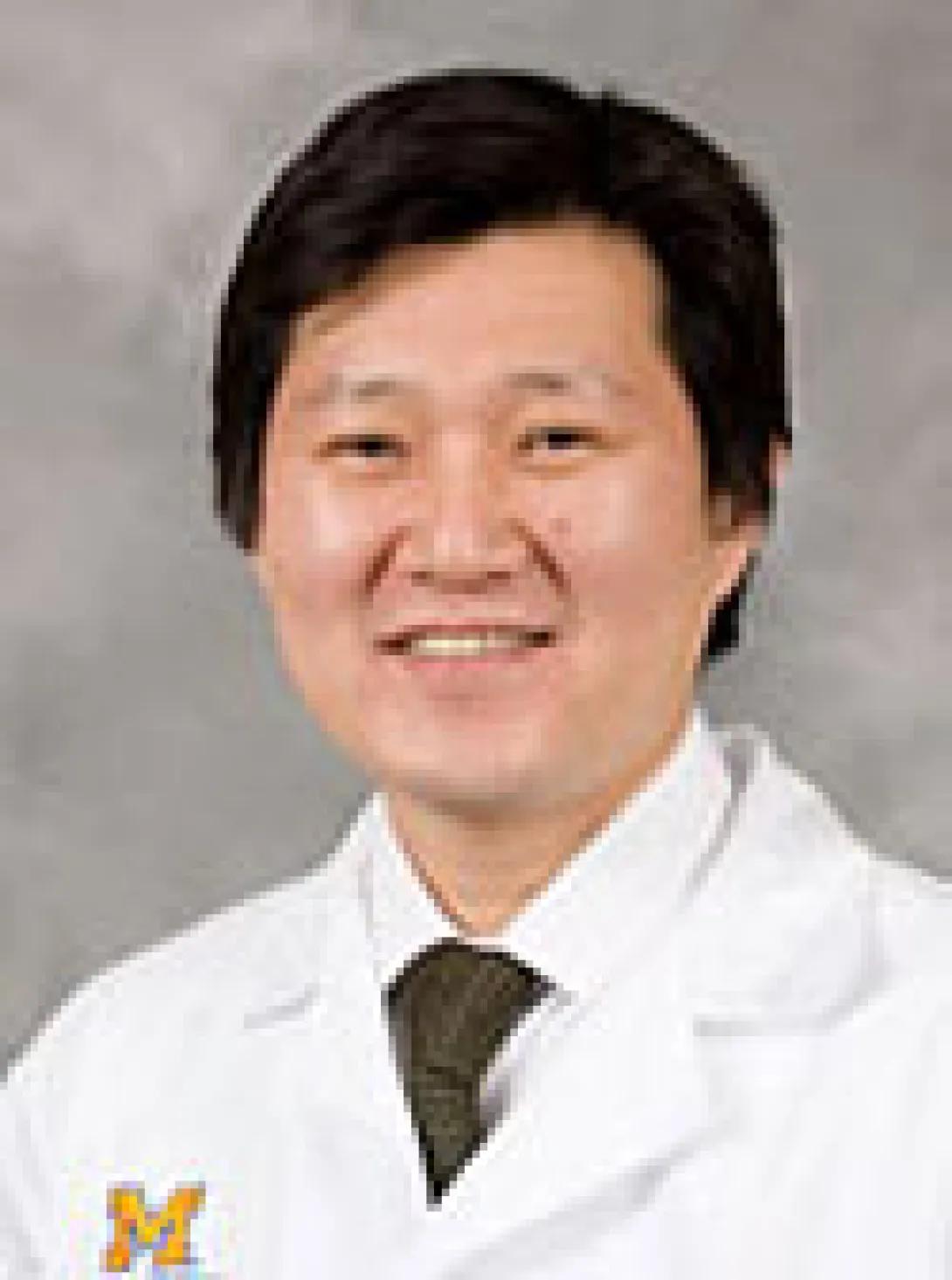
Tae-Hwa Chun, MD, PhD
Associate Professor
Endocrinology, Internal Medicine
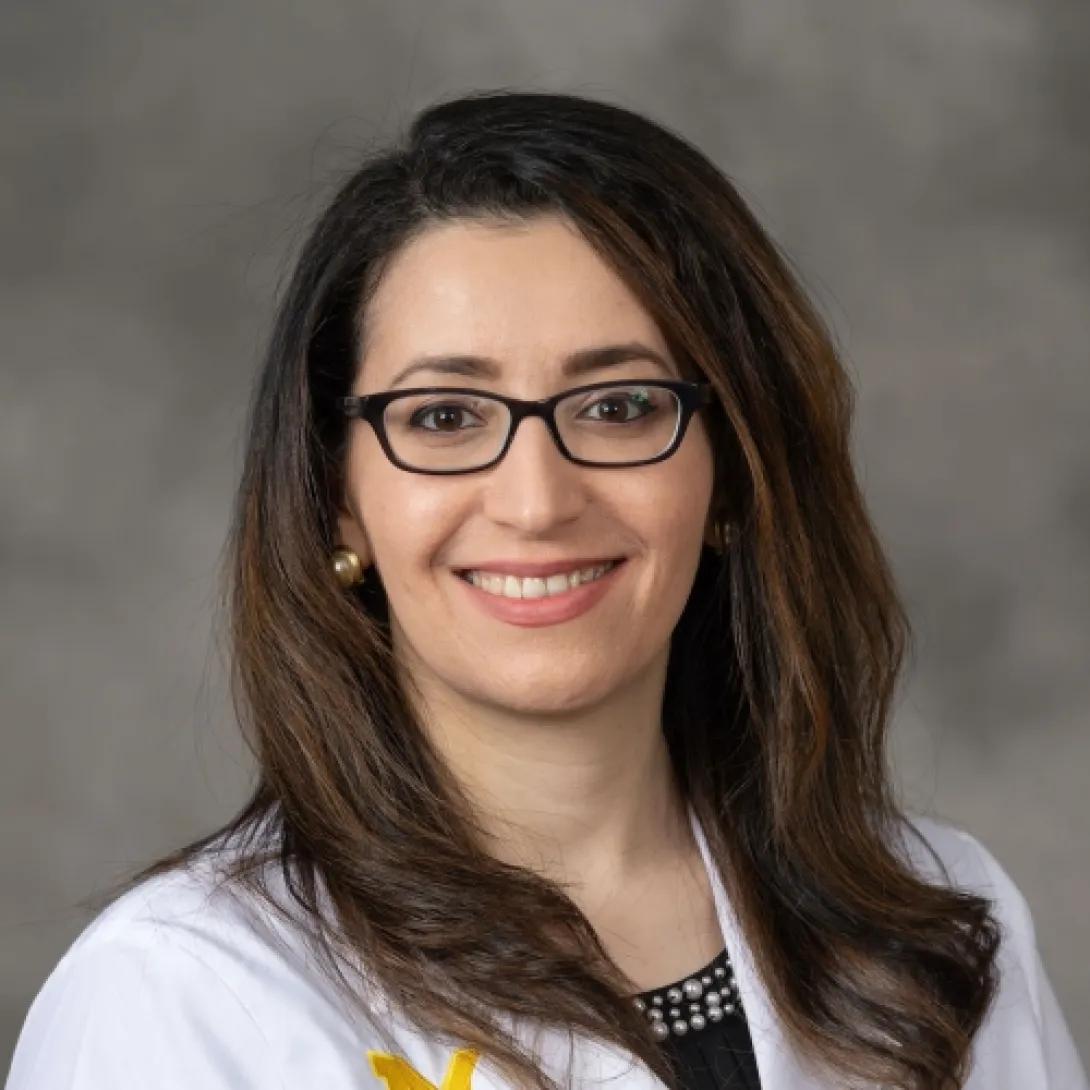
Farah Daneshvar, DO
Clinical Assistant Professor
Endocrinology, Internal Medicine
Liselle Douyon, MD
Clinical Assistant Professor
Endocrinology, Internal Medicine
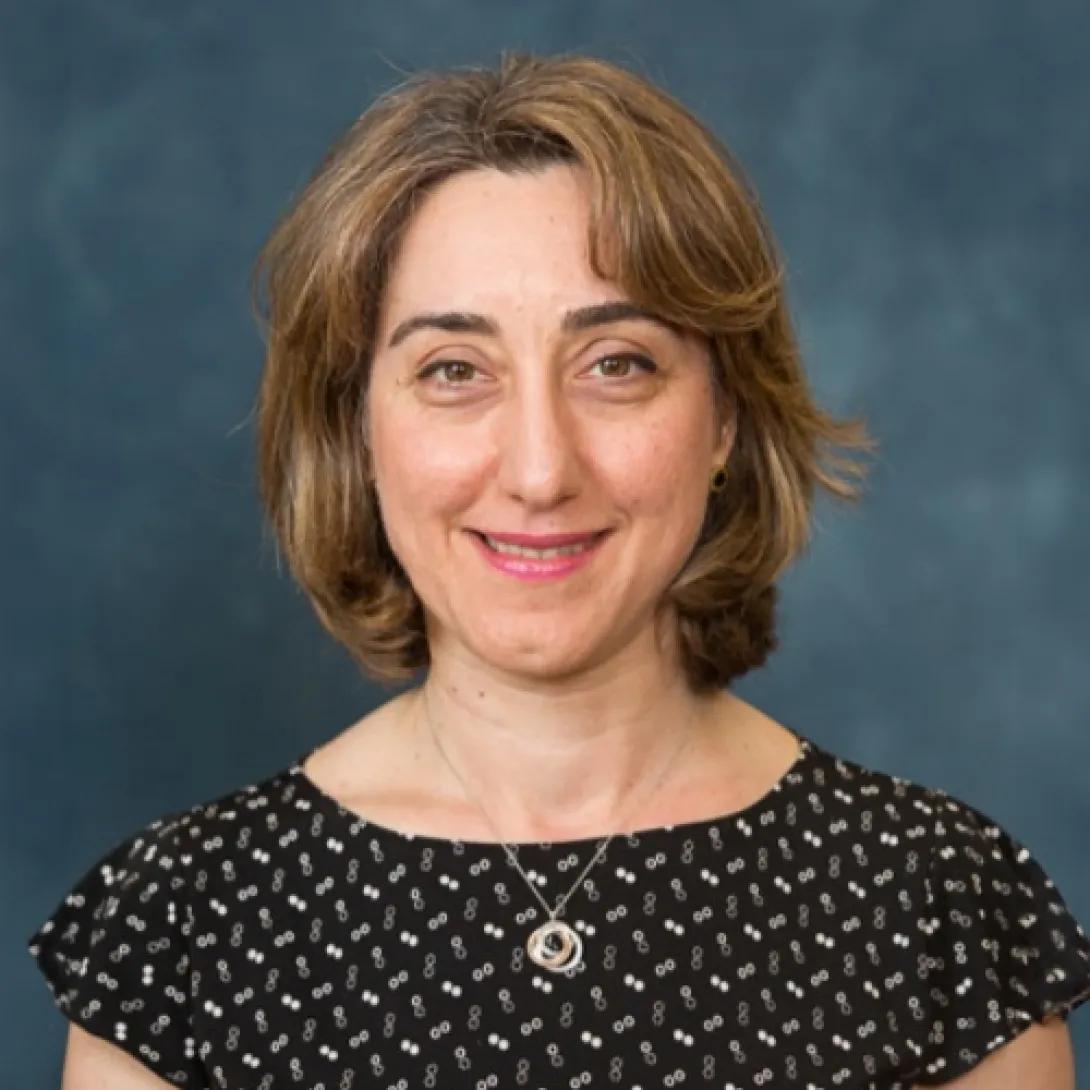
Nazanene Helen Esfandiari, MD
Clinical Professor
Endocrinology, Internal Medicine

Nada Fanous, MD
Clinical Assistant Professor
Endocrinology, Internal Medicine






News & Stories

New insight into how lipodystrophy can affect overall health
A first-of-its-kind treatment for mastocytosis
What should you know before starting a GLP-1?
The Future of Cell and Gene Therapies
Could preeclampsia become a thing of the past?