Esophageal 24-hour pH/Impedance Reflux Monitoring
Esophageal 24-hour pH/Impedance Reflux Monitoring
What is esophageal 24-hour pH/impedance reflux monitoring?
Esophageal 24-hour pH/impedance reflux monitoring measures the amount of reflux (both acidic and non-acidic) in your esophagus during a 24-hour period, and assesses whether your symptoms are correlated with the reflux. At University of Michigan Health, this test is performed by one of our experienced technicians and is interpreted by one of our gastroenterologists with dedicated expertise in esophageal reflux monitoring. Our experts perform more than 400 esophageal reflux monitoring procedures each year.
Appointment Information
To make an appointment for a GI procedure, call the Medical Procedures Unit at 877-758-2626.
How is the procedure performed?
This test will involve the placement of a catheter (about the size and flexibility of a smartphone power cord) through your nasal passage, and then swallowed into your esophagus with drinks of water. The other end of the catheter will be taped to your cheek, wrapped over your ear, and attached to a small data recorder that you will wear at waist level, held by a strap over your shoulder. You will be able to swallow, talk, and breathe without any difficulty during the test. Placement of the catheter will take about 10 minutes, but if your doctor also ordered an esophageal manometry, your appointment will take longer.
How should I prepare for the procedure?
You should not eat or drink after midnight the night before your test when scheduled for a morning appointment. If scheduled for an afternoon appointment, you may have clear liquids until 9 a.m. on the day of your exam, then nothing by mouth after that time. You can take most of your typical morning medications with small sips of water. Please notify the nurse if you have diabetes and take insulin. You must not take any over-the-counter antacids at least 24 hours before the test.
Your doctor will give you instructions on whether he or she wants your testing done while taking or while holding acid reducing medications. If your doctor wants the test done while holding those medications, you will need to stop proton pump inhibitors 7 days before (namebrand/generic equivalent:
- Prilosec/Zegerid/omeprazole
- Nexium/esomperazole
- Protonix/pantoprazole
- Prevacid/lansoprazole
- Dexilant/dexlansoprazole
- Aciphex/rabeprazole)
Stop histamine type 2 blockers 3 days before the procedure (Tagamet/cimetidine, Pepcid/famotidine, Zantac/ranitidine).
What should I expect after the procedure?
You do not need a driver for this procedure as there is no sedation. Your doctor will receive the final results of the procedure in about 1 week, and will communicate the results to you.
You cannot take a shower or bath while wearing the monitor. You should be careful around pets and small children to make sure they do not come close enough to accidentally pull the catheter out. You should otherwise go about your daily routine and eat your regular diet in order to get a realistic recording of how much reflux occurs during your usual routine. The next day, you will return to have the catheter removed and to turn in the diary. Removing the catheter takes less than one minute.
You will be asked to keep a diary during the testing, including every time you eat, drink, or take medicines, and how long that lasts, when you lay down and get up, and each and every time you have a symptom of interest (like heartburn, regurgitation, cough, sore throat, etc.).
What are the risks with the procedure?
Esophageal reflux monitoring is very safe. You will likely feel some discomfort in the nose and throat, but this is temporary and mild. Rarely, there could be a nose bleed as a result of the procedure. Extremely rarely, there could be a tear in the wall of the esophagus, throat or lung.
News & Stories
Identifying avoidant, restrictive food intake disorder in gastroenterology patients
As probiotic use surges, microbiome-supportive food consumption stagnates

How gastroenterology nutrition therapy has evolved
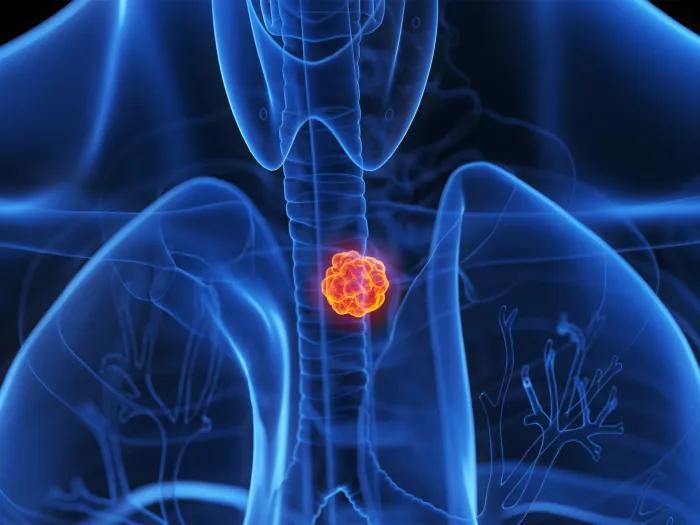
Understanding esophageal cancer
Managing cirrhosis pain without drugs