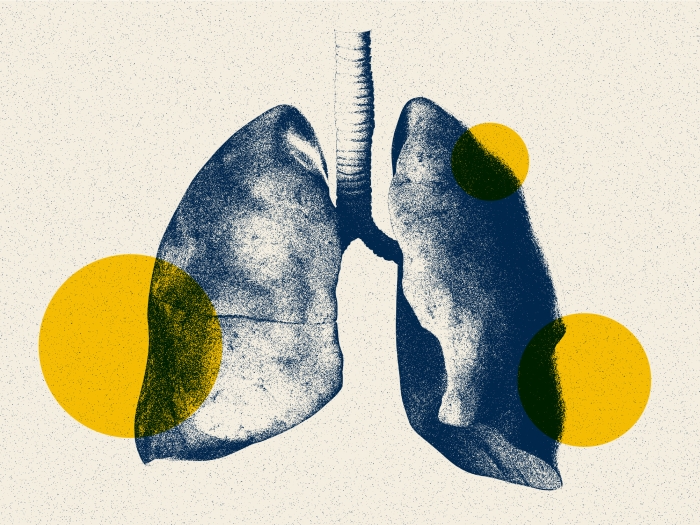
Complex Airway Intervention & Reconstruction (AIR) Program
Complex Airway Intervention & Reconstruction (AIR) Program
At the University of Michigan Health Complex AIR Program, we provide comprehensive care for patients with a wide range of rare or complicated airway disorders. Our mission is to provide optimal individualized and patient-centered care. We leverage areas of unique expertise within our group to ensure your specific airway problem is evaluated and treated in the best way possible.
Our Approach
At the University of Michigan Health Complex AIR Program, we believe in individualizing each patient’s treatment plan to their circumstances, values, and unique problem, including what part of your airway is affected by the problem. Your visit will be coordinated with the physicians to best evaluate your symptoms, whether it is an otolaryngologist-head & neck surgeon, interventional pulmonologist, and/or a thoracic surgeon. Our team of specialists works closely with each other to make sure you receive the ideal treatment you need, from start to finish.
Complex airway problems require highly skilled physicians with a depth of experience treating these conditions. As a high-volume referral center both regionally and nationally, our physicians have significant experience treating these rare disorders, which translates into expert care for you. Our physicians use advanced technology and techniques to treat your airway. They are uniquely trained to perform minimally invasive (endoscopic) procedures and open reconstructive surgery. Your physician will be able to describe the treatment best suited to treat your condition.
A significant advantage of treatment at the University of Michigan Health Complex AIR Program is our multidisciplinary team. This includes a monthly meeting where patients can have the expertise of a team of different physicians providing input into their care plan without having to schedule numerous appointments. Surgeons, medical pulmonologists, radiologists, anesthesiologists, and others participate on a regular basis where we review each patient’s problem to offer consensus best treatment to our patients.
Services
- Amyloidosis affecting the airways
- Bronchial stenosis
- Complications of tracheostomy
- Excessive dynamic airway collapse (EDAC)
- Granulomatosis with polyangiitis (Wegener’s granulomatosis)
- Idiopathic subglottic stenosis
- Intubation related injury
- Laryngeal stenosis
- Laryngomalacia
- Laryngotracheal clefts
- Other autoimmune diseases affecting the airways
- Posterior glottic stenosis
- Relapsing polychondritis affecting the airways
- Recurrent respiratory papillomatosis
- Sarcoidosis affecting the airways
- Subglottic stenosis
- Supraglottic Stenosis
- Tracheal stenosis
- Tracheobronchomalacia (TBM)
- Tracheoesophageal fistula
- Vocal fold paralysis
- Airway Ablation
- Balloon Dilation
- Bronchial Thermoplasty
- Cricotracheal Resection
- Endobronchial Ultrasound-Guided Biopsy (EBUS)
- Endoscopic Administration of Steroid and Mitomycin
- Endoscopic Dilation
- Endoscopic Resection and Mucosal Reconstitution (Maddern Procedure)
- Endoscopic Tracheobronchoplasty
- Extracorporeal Membrane Oxygenation (ECMO) support during complex airway procedures
- In-Office Steroid Injection
- Laryngeal Microsurgery including Cordotomy/Arytenoidectomy
- Laryngotracheal Reconstruction
- Slide Tracheoplasty
- Stent Placement
- Supraglottoplasty
- T-Tube Placement and Care
- Thermal Bronchoplasty
- Tracheal Resection
- Tracheobronchial Stenting
- Tracheostomy Placement and Care
- Tumor Destruction and Control of Central Airway Bleeding
- Vocal Cord (Recurrent Laryngeal Nerve) Reinnervation
- Vocal Cord Medialization
- Vocal Cord Lateralization
Appointment Information
Please contact the Complex AIR Program specialty coordinator to facilitate the referral and scheduling process at 734-763-6062.
A referral order from a physician or provider is required for scheduling. Referrals can be faxed to 734-647-0195. Our specialty coordinator will likely require prior records to best determine which members of the multi-disciplinary team should be involved in initial evaluation of the patient.
Research
Our providers are pushing the forefront of research to best understand the underlying causes and develop the best treatment options for complex airway problems. We have experience developing novel, unique treatments for patients with the most challenging of problems. These include custom implant devices developed using 3D printing technology, modeling of your specific anatomy to determine best course of treatment, and other cutting-edge technologies.
Locations
-
General Surgery Clinic | Taubman Center 1500 E Medical Center Dr
Floor 2 Reception C
Ann Arbor, MI 48109-5331Get Directions -
Otolaryngology Clinic | Northville Health Center 39901 Traditions Dr
Floor 2
Northville, MI 48168-9493Get Directions -
Otolaryngology Clinic | Taubman Center 1500 E Medical Center Dr
Floor 1 Reception A
Ann Arbor, MI 48109-5312Get Directions -
Pulmonary Clinic | Brighton Center for Specialty Care 7500 Challis Rd
Entrance 1, Level 2
Brighton, MI 48116-9416Get Directions -
Pulmonary Clinic | Taubman Center 1500 E Medical Center Dr
Floor 3 Reception C
Ann Arbor, MI 48109-5361Get Directions -
Vocal Health Center | Taubman Center 1500 E Medical Center Dr
Floor 1 Reception A
Ann Arbor, MI 48109-5312Get Directions
Doctors
Andrew Ching-Hung Chang, MD
Professor
Thoracic Surgery, Surgery
Jose Luis De Cardenas, MD
Clinical Associate Professor
Pulmonary Diseases, Critical Care Medicine, Internal Medicine
Emily Anne DuComb, DO
Clinical Assistant Professor
Pulmonary Diseases, Internal Medicine
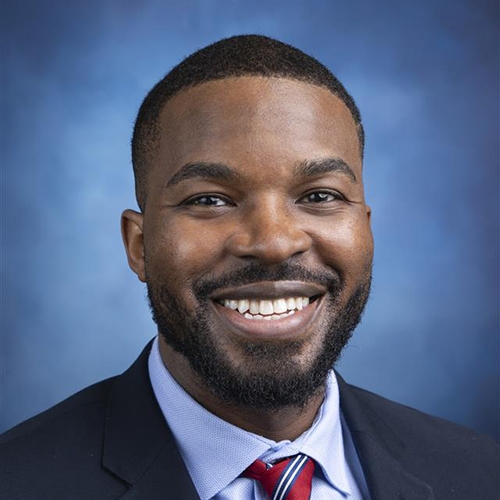
Chigozirim Ekeke, MD
Assistant Professor
Thoracic Surgery

Norman Dertad Hogikyan, MD, F.A.C.S.
Professor
Otolaryngology
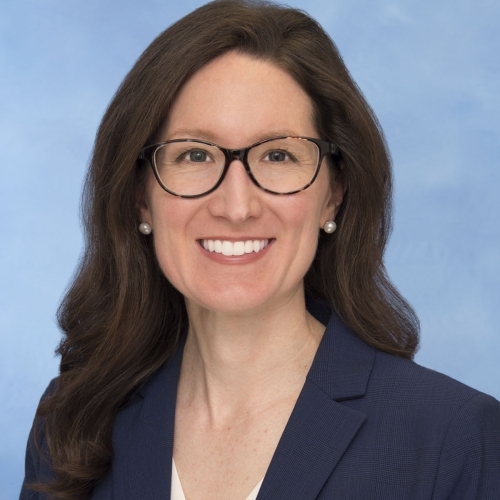
Robbi Ann Kupfer, MD
Clinical Associate Professor
Otolaryngology

Kiran Hari Lagisetty, MD
Clinical Associate Professor
Thoracic Surgery, Surgery
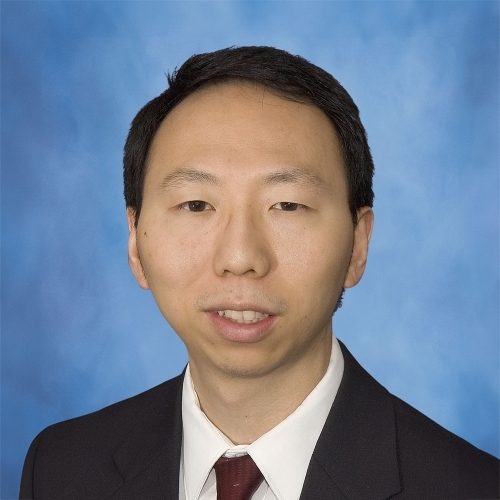
Jules Lin, MD
Professor
Thoracic Surgery, Surgical Critical Care, Surgery
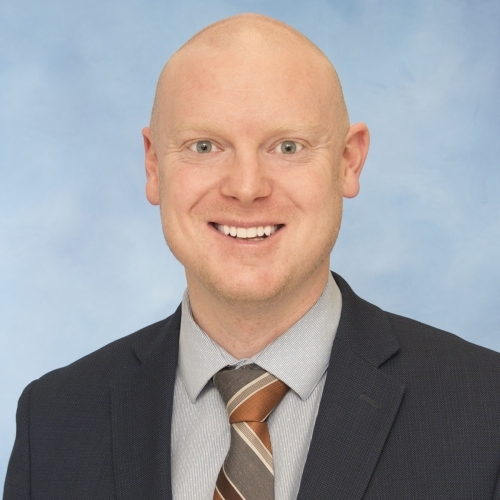
Robert James Morrison, MD
Clinical Associate Professor
Otolaryngology
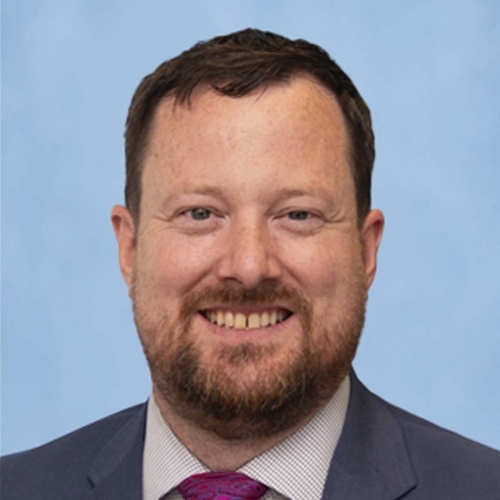
David Duston Odell, MD
Professor
Thoracic Surgery, Surgery
News & Stories

A gene discovery that changed cystic fibrosis care, and genetic research, forever

Surviving sepsis: New guidelines harness life saving evidence for treating adults

Child survivors of critical illness are missing out on timely follow up care
Human ability to focus on specific sounds not found to originate in auditory nerve, brainstem
Removal of ventilator breathing tube is delayed for some patients, posing health risks