
Bone Marrow Transplant
Bone Marrow Transplant
Overview
A bone marrow transplant or BMT is a procedure to replace damaged or destroyed bone marrow with healthy bone marrow stemcells.
BMT is used most often to treat:
- acute leukemia (AML or ALLI)
- lymphoma
- myelodysplasia
- neuroblastoma
- bone and soft-tissue sarcomas
- brain tumors, as well as other conditions
Our Approach
As part of the Rogel Cancer Center, the Bone Marrow Transplantation (BMT) program brings together a team of specialists, blending compassionate patient care and the latest research to provide expertise, innovation and a personalized approach to our patients and their caregivers.
Pediatric patients are cared for in our Blood & Marrow Transplant (Pediatric) Program.
Our program provides more than 200 adult BMT procedures each year -- making this one of the largest programs in the state. That level of experience means our transplant specialists know what to recommend for each transplant candidate, what to expect from each procedure, and how to respond to every challenge that may arise on the transplant journey.
The program is accredited by the Foundation for the Accreditation of Hematopoietic Cell Therapy and is also approved by the National Marrow Donor Program and the Southwest Oncology Group.
Who We Treat
BMT is used most often to treat patients with [the following will link to condition pages]:
- acute leukemia (AML or ALLI)
- lymphoma
- myelodysplasia
- neuroblastoma
- bone and soft-tissue sarcomas
- brain tumors, as well as other conditions
Appointment Information
If you are a patient who has been advised you need a bone marrow transplant, please call 734-647-8902.
Healthcare professionals looking to refer a patient for a bone marrow transplant, please call M-LINE 800-962-3555.
For more information about bone marrow transplant at U-M Health, please call Cancer Answerline 800-865-1125.
What to Expect
There are several types of BMT. The type of transplant depends on who donates the bone marrow or blood stem cells
The most common types are [the following will link to treatment pages with more information]:
- Autologous Transplant
the patient donates their own stem cells prior to receiving chemotherapy, and those cells are preserved for transplantation after treatment. - Allogeneic Transplant
Stem cells are donated from a genetically-matched family member (usually a brother or sister). - Genetic matching also called HLA matching
This is done from blood samples. When the donor is an identical twin, the procedure is referred to as a Syngeneic Transplant. - Matched Unrelated
Transplant stem cells are donated by someone other than a family member. A donor is found through a worldwide donor registry coordinated by the National Marrow Donor Program (NMDP). The BMT program is a member center of the NMDP. Matched unrelated transplants are also categorized as allogeneic transplants. - Support for patients and families
The Rogel Cancer Center features Patient Support Services. This program is dedicated to helping those impacted by leukemia with a variety of support, from Art Therapy to Social Work.
What is bone marrow?
Bone marrow is the spongy tissue found inside the body's large bones. It is responsible for making blood cells including red blood cells, white blood cells and platelets. It is also home to the immune system.
What are stem cells?
Blood cells develop and grow in the same way as other human cells, beginning with a parent cell known as a stem cell. During this process, which takes place in the bone marrow, stem cells divide and mature, forming all the different types of blood cells: white blood cells, platelets and red blood cells.
Stem cells are usually found inside the bone marrow spaces of large bones; however, they can travel from one bone to another through the blood stream. The blood that circulates through the body, called peripheral blood, is another source of stem cells. When we talk about stem cell transplant, we use adult stem cells; this is not the same as embryonic stem cells.
What is a bone marrow transplant?
A blood or bone marrow transplant is a transfusion of bone marrow stem cells or blood stem cells which have been previously collected from the patient or a donor. It is performed as part of a treatment protocol intended to wipe out cancer cells in the body. This is a far more aggressive approach than is used in typical cancer treatment.
In standard cancer therapy, chemotherapy is administered in as small a dose as possible because it is so damaging to the body's immune system. In blood or bone marrow transplantation (BMT), much higher doses of chemotherapy are used, sometimes accompanied by radiation. This process, called conditioning, temporarily shuts down the body's immune system and its ability to generate new blood cells. After conditioning destroys the patient's existing bone marrow, the transplant replaces it with "new" bone marrow.
What determines whether a patient receives an autologous transplant or an allogeneic transplant?
The type of transplant recommended depends on the unique needs of the patient. Each transplant type brings with it specific benefits and risks. Autologous transplants have a lower risk of infection during the conditioning period because a patient's immune system will recover more quickly. Also, since the patient acts as his or her own donor, the risk of developing complications from rejection of the transplant, such as graft-vs.-host disease, are very rare. For those and other reasons, autologous transplants are the preferred method of transplantation for many patients, including those with lymphoma.
Other forms of cancer, including acute myeloid leukemia (AMD), present a higher risk of relapse or recurrence. For those patients, the increased risks of infection or rejection presented in allogeneic transplants may be worth accepting in an attempt to knock out the cancer.
What types of cancer does BMT treat?
BMT is used most often to treat:
How are bone marrow stem cells or blood stem cells collected?
Bone marrow stem cells are collected from the bone marrow of either the patient or a donor through a process called harvesting. The procedure is performed in the operating room under general or spinal anesthesia. Several needles are placed through the skin into each hip bone (pelvis) to extract the marrow. Once collected, the marrow is filtered and placed into blood bags.
The entire harvesting procedure takes one to two hours. The patient or donor may receive a blood transfusion during the collection to replace the blood removed with the bone marrow. Once completed, a large bandage is placed across the hips, which remains in place for 24 hours. Discharge from the hospital is generally the same day. Soreness is common after harvesting, and pain medication is given as needed. Normal activity can usually be resumed within 3-4 days of harvesting, and recovery from the procedure is usually complete within about 2 weeks.
Stem cells can also be harvested from the blood circulating through the body, called peripheral blood, through a collection method called peripheral stem cell apheresis. Apheresis involves inserting a needle into one arm and connecting attached tubing to a machine that separates and collects the peripheral stem cells. The remaining blood components (white cells, red cells and platelets) are returned to the body through a needle in the other arm. In some cases, an IV is inserted in the neck or groin if the veins in the arms are not strong enough for the procedure.
For several days prior to the procedure, the patient or donor receives injections of a drug called growth factor to produce a greater number of stem cells to be released into the blood.
Apheresis is performed on an outpatient basis with little or no discomfort. Most patients or their donors will have 1-3 procedures done to collect the required number of stem cells, with each procedure taking 2-3 hours.
What happens during the transplant?
The transplant or infusion is similar to a blood transfusion. The "transplant" is given through an IV placed in the patient's arm.
What happens next?
Approximately 2-4 weeks after a transplant, doctors look for signs that the donated bone marrow is "engrafting" or beginning to grow. The first sign of this is the production of white blood cells. Platelets often take longer to begin developing.
Once engrafting is confirmed and the patient's condition is stable, the patient can be discharged from the hospital. Although each patient's situation is unique, the following general criteria are used to determine when a patient can be discharged from the hospital:
- No evidence of an emerging infection or complication such as graft-vs-host-disease (GVHD).
- The patient is able to tolerate food, fluids and oral medications.
- The patient's physical ability has rebounded enough to function outside the hospital.
- Patient and caregiver have completed post-transplant education.
What research into BMT is underway?
Behind the growth and success of the BMT Program at Michigan is its commitment to research. Through groundbreaking basic, translational and clinical research efforts, the University of Michigan has become an international leader in understanding and responding to the particular risks and consequences associated with BMT. In particular, Rogel Cancer Center researchers are at the forefront of the study and treatment of graft-vs.-host disease (GVHD), one of the most common and dangerous consequences of allogeneic transplantation. Because of this commitment to research, every patient can benefit from the very latest innovations to make transplantation safer and more effective.
Locations
-
Bone Marrow Transplant & Leukemia Clinic | C. S. Mott Children's Hospital 1540 E Hospital Dr
Floor 7 Reception B
Ann Arbor, MI 48109-4257Get Directions
Doctors
Sarah Marie Anand, MD
Clinical Assistant Professor
Hematology, Medical Oncology, Internal Medicine

Monalisa Ghosh, MD
Clinical Associate Professor
Medical Oncology, Internal Medicine

John Joseph Maciejewski, MD, PhD
Clinical Assistant Professor
Hematology, Internal Medicine
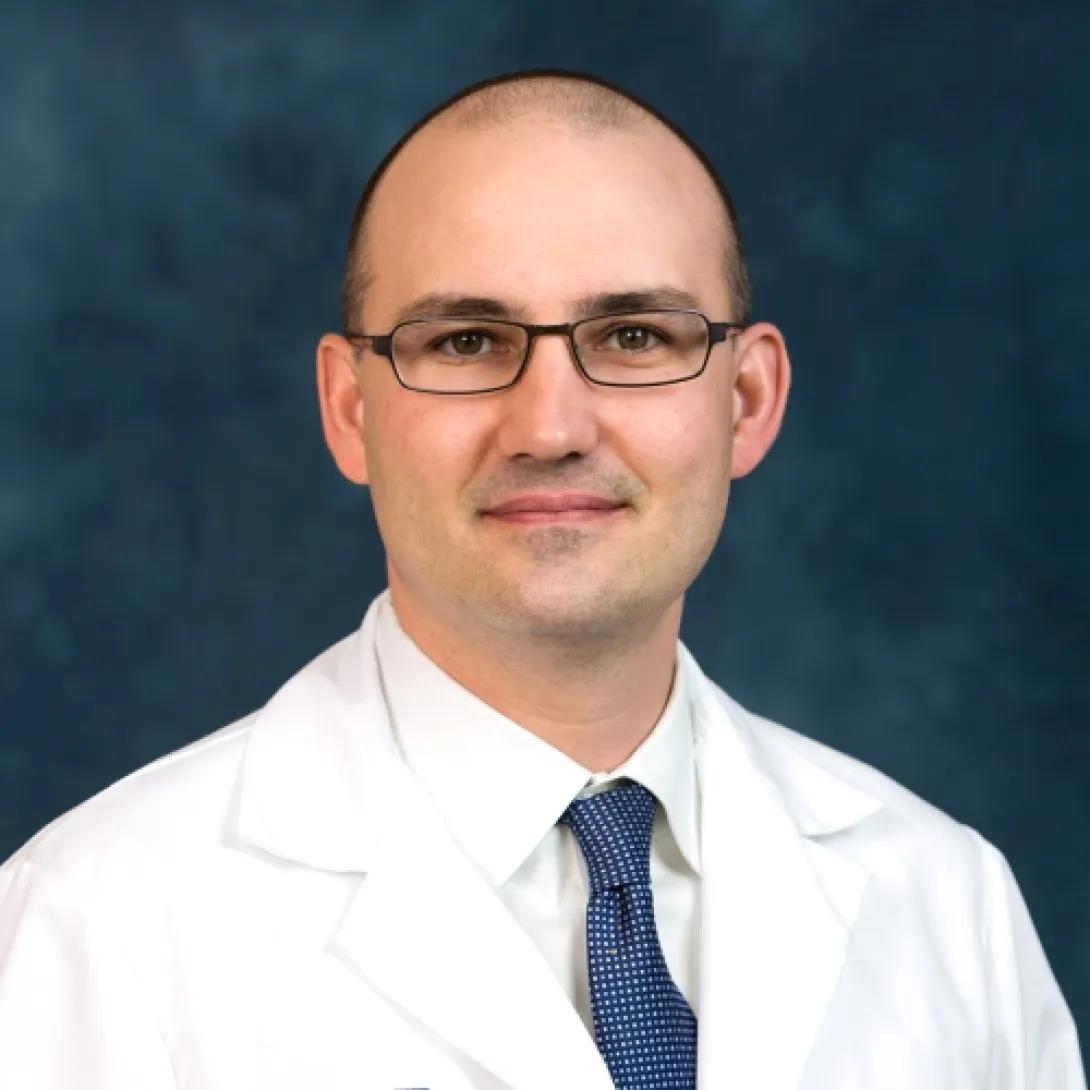
John Martin Magenau, MD
Clinical Professor
Hematology, Internal Medicine, Medical Oncology
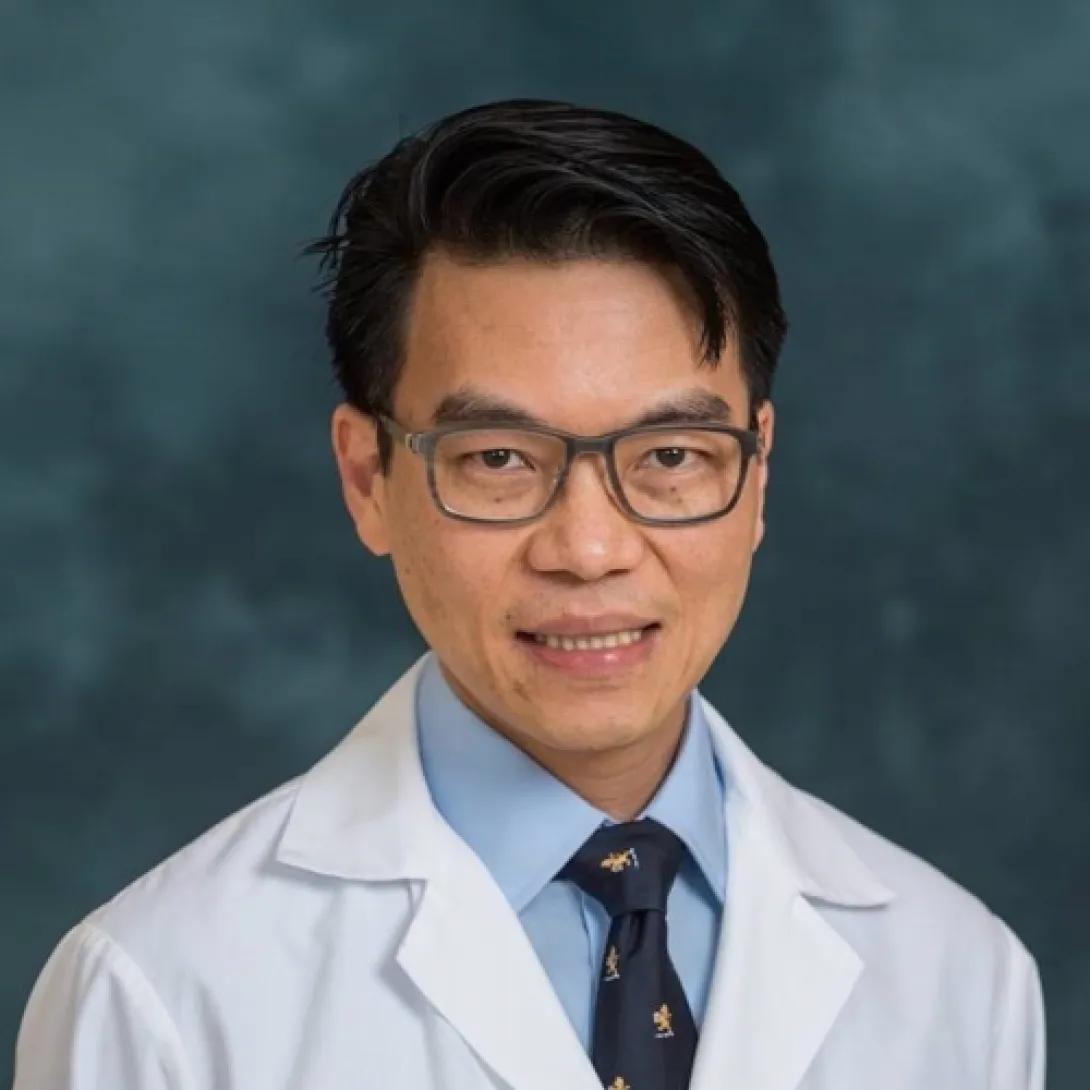
Attaphol Pawarode, MD
Clinical Associate Professor
Hematology, Internal Medicine, Medical Oncology
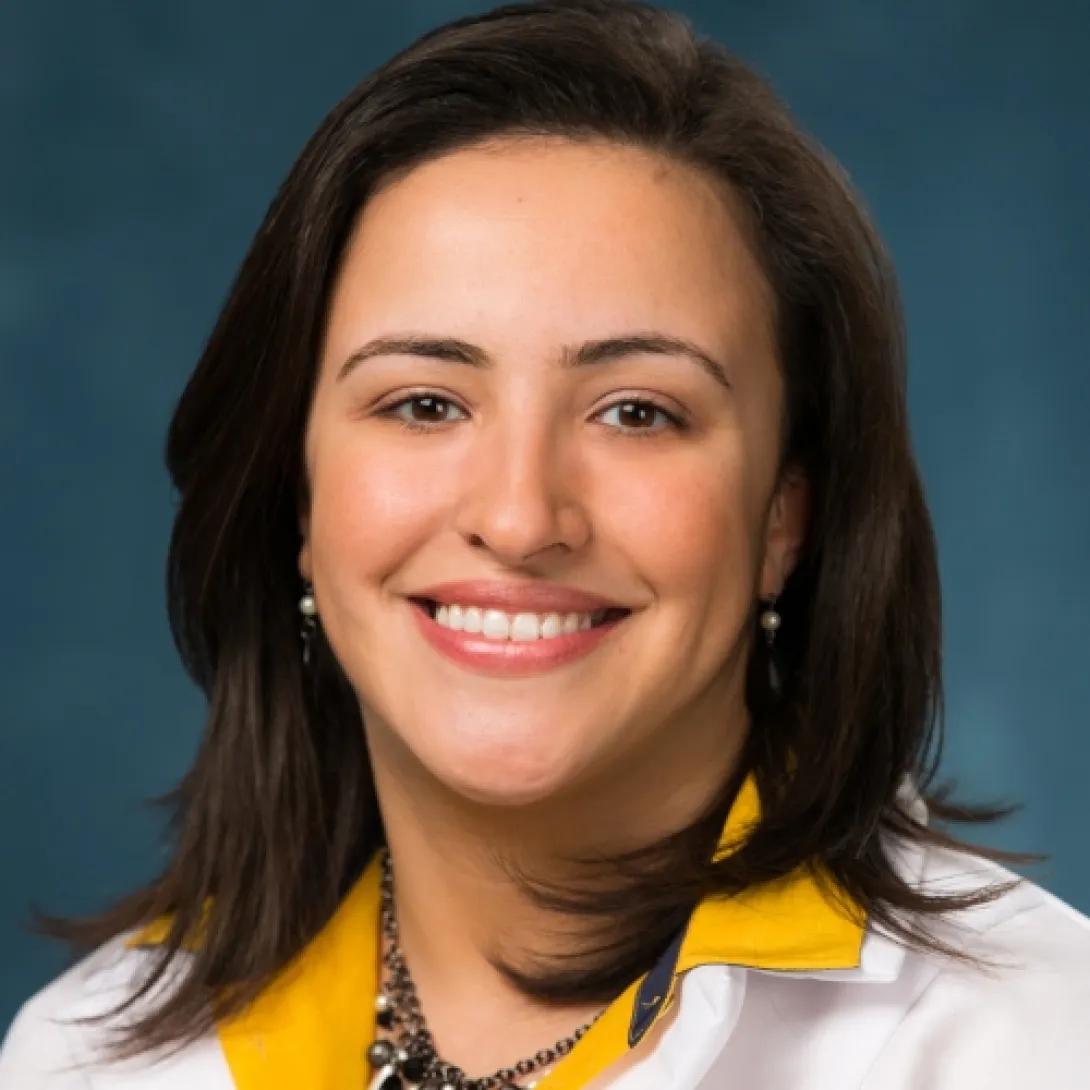
Mary Mansour Riwes, DO
Clinical Assistant Professor
Medical Oncology, Internal Medicine, Hematology
News & Stories

Sisters celebrate a successful bone marrow donation 15 years later
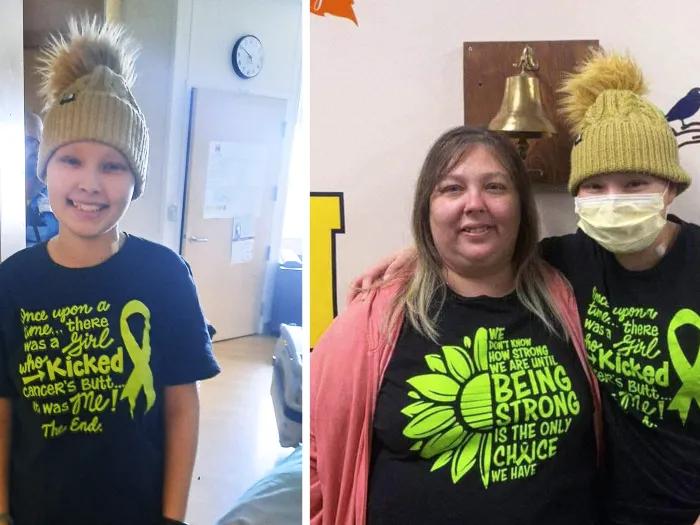
Teen with bone marrow transplant shares cancer journey online
Research sheds new light on gene therapy for blood disorders

Researchers find promising new approach to stop intestinal problems caused by immune cells

