Transcatheter Mitral Valve Repair (TMVr)
Transcatheter Mitral Valve Repair (TMVr)
What is transcatheter mitral valve repair (TMVr)?
Transcatheter mitral valve repair (TMVr) allows our doctors to repair a leaky mitral valve using a minimally invasive approach. Because surgery is not required, patients usually go home the next day and are able to resume their daily activities. Our team members have the most experience with TMVr in the state.
The Frankel Cardiovascular Center’s Comprehensive Heart Valve Program is Michigan’s premier program for mitral valve repair. Guided by the pillars of excellence, innovation and patient-centered care, we offer a world-class, personalized patient experience.
Our Approach
Our specialized TMVr care program features:
- Unparallelled expertise: You have access to world-class experts who are leaders in the field. The surgeon who performed the first MitraClip® procedure in the U.S. is one of our distinguished team members.
- High volume: With the highest volume of MitraClip procedures in the state, our experience leads to exceptional patient outcomes.
- Multispecialty team: We have a special team dedicated to transcatheter approaches like mitral valve repair. Our MATRIx (Mitral and Tricuspid Intervention) team includes cardiologists, cardiovascular surgeons, radiologists, anesthesiologists, nurse practitioners, nurse care coordinators and others.
- Two-doctor procedure team: Transcatheter procedures are performed jointly by a cardiologist who specializes in catheter-based procedures and a cardiovascular surgeon. They work together to evaluate placement of the device and ensure proper fit. Our echocardiography imaging team provides precise echo pictures to guide the procedure and ensure excellent outcomes.
- One-on-one education: Our nurse care coordinators are your main point of contact for the duration of your care. They provide education and support and help you connect to your care team.
- Follow-up care: Your recovery and continued health are important to us. Our nurse care coordinators will track your progress after you leave the hospital.
Who We Treat
TMVr is FDA-approved for high-risk patients who are not candidates for surgery. And clinical trials are underway to determine how effective the procedure is in moderate- and low-risk patients.
Doctors determine surgical risk by a patient’s age and pre-existing medical problems that could lead to complications during or after surgery:
- High-risk patients are usually older and have multiple chronic conditions. They are more likely to experience serious complications from major surgery.
- Moderate- and low-risk patients are typically younger and have fewer underlying health problems. They are better able to undergo open procedures with fewer complications.
Appointment Information
Call us at 888-287-1082 to schedule an appointment with a U-M Cardiovascular Center physician, get a prescription refill, or request to speak with your nurse.
Or visit the Make a Cardiovascular Appointment page to learn what to expect when you call us.
What To Expect
Repair is the most common treatment for patients with a leaking mitral valve (regurgitation).
Regurgitation occurs when the valve’s leaflets do not close fully and blood leaks backward. The leaking blood can cause the left atrium to dilate (expand) and the left ventricle to work harder. This can lead to atrial fibrillation (irregular heartbeat), cardiomyopathy (heart muscle disease) and heart failure.
TMVr uses a catheter (thin tube) inserted into a vein in your groin and guided to your heart. The doctor inserts a clip through the catheter and uses the clip to fasten the leaflets together.
Because the clip only closes off part of the valve, blood still flows around the repaired area when the valve opens. When the valve closes, the clip helps the leaflets stay closed and prevents backflow of blood.
Two clips are available for mitral valve repair:
- MitraClip®, which is approved by the Food and Drug Administration (FDA)
- PASCAL®, which is available through a clinical trial
Clinical Trials
Find information about clinical trials related to mitral valve repair.
Locations
-
Cardiac Surgery Clinic | Frankel Cardiovascular Center 1425 E Ann St
Floor 3 Reception C
Ann Arbor, MI 48109-5856Get Directions -
Cardiology Clinic | Frankel Cardiovascular Center 1425 E Ann St
Floor 3 Reception C
Ann Arbor, MI 48109-5856Get Directions -
Multidisciplinary Valve Clinic | Cardiovascular Center 1425 E Ann St
Floor 3 Reception C
Ann Arbor, MI 48109-5856Get Directions
Doctors
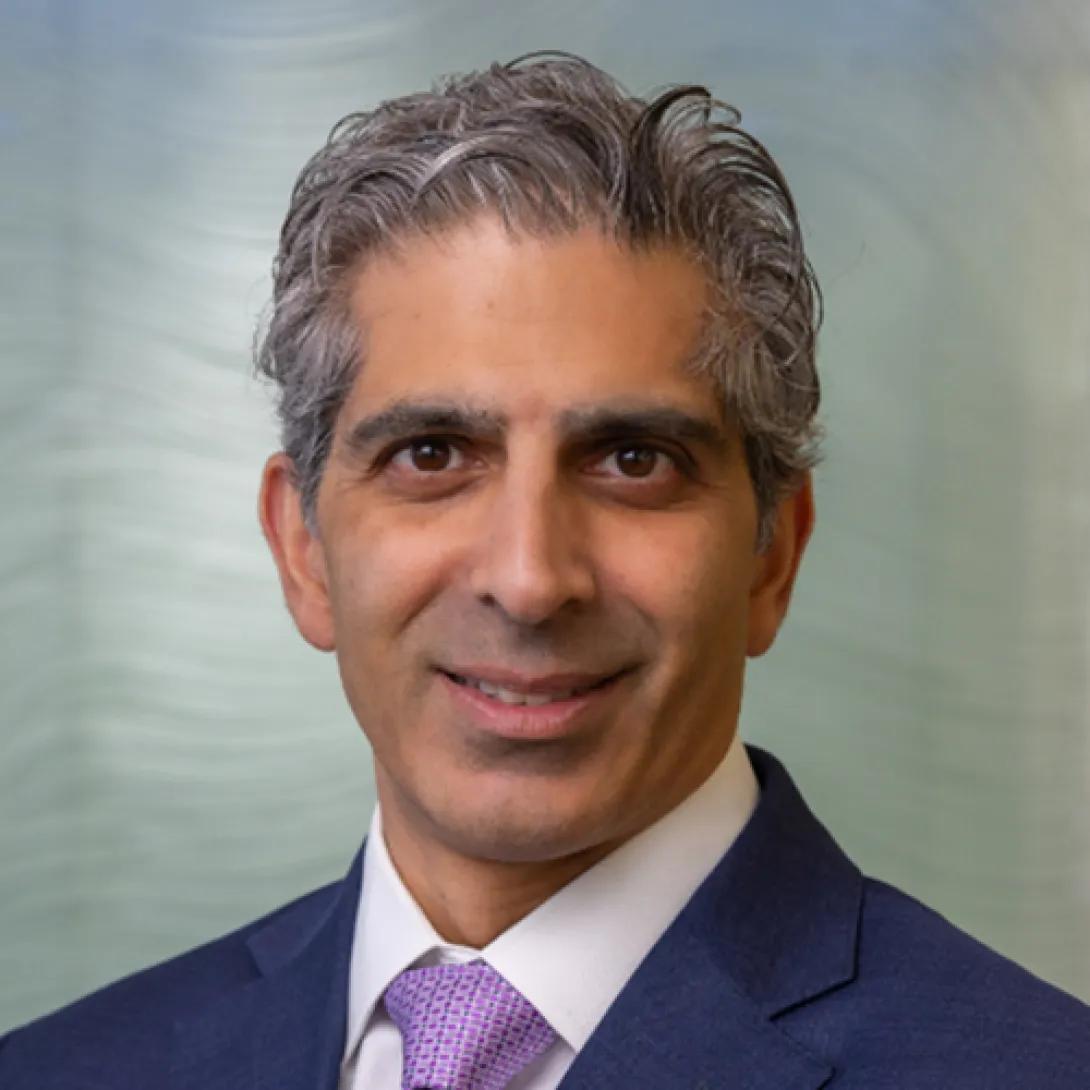
Gorav Ailawadi, MD, MBA
Professor
Thoracic Surgery, Surgery

Steven Fredric Bolling, MD
Professor
Thoracic Surgery, Surgery
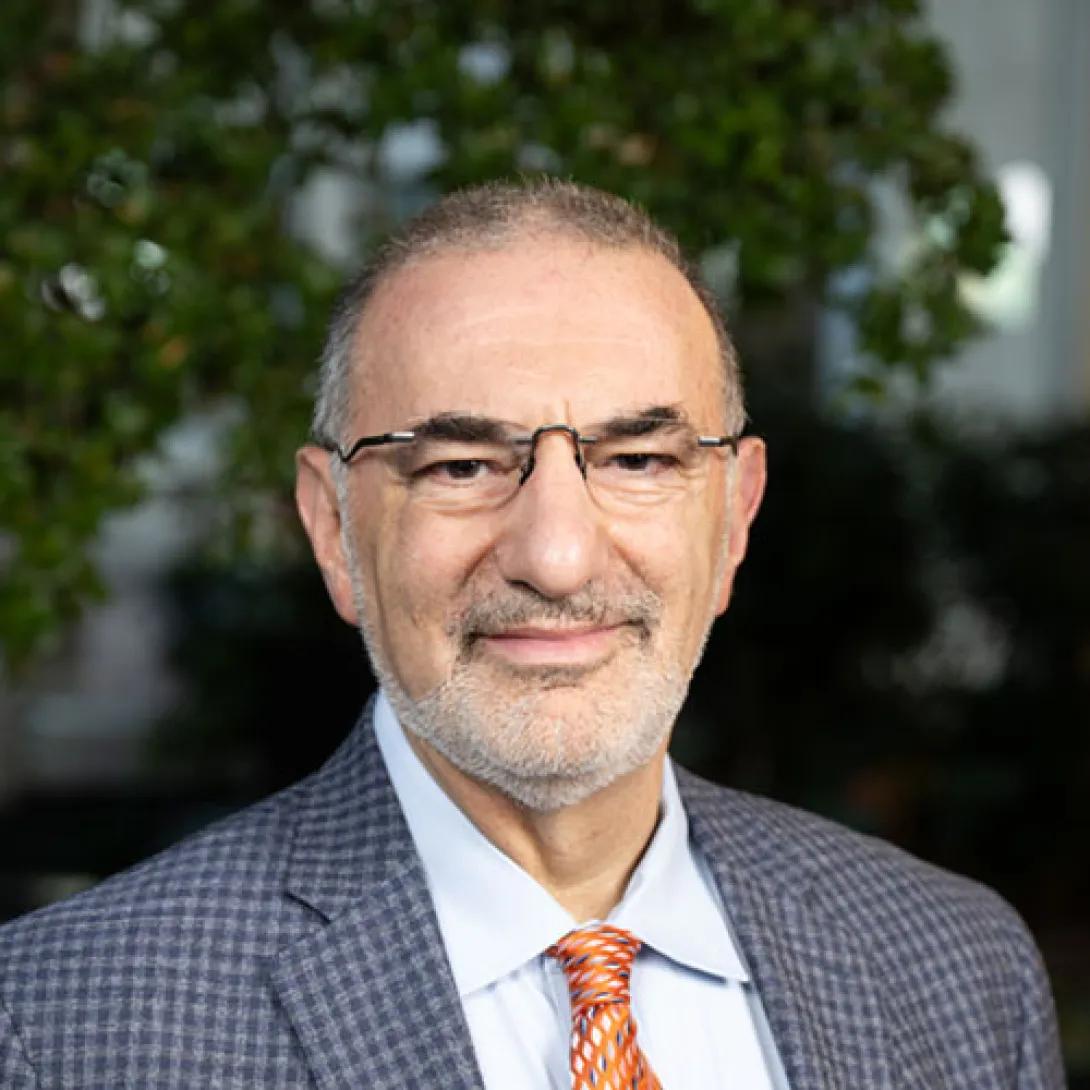
Stanley Joseph Chetcuti, MD
Clinical Professor
Interventional Cardiology, Cardiovascular Disease, Internal Medicine
Neal Murari Duggal, MD
Clinical Associate Professor
Anesthesiology
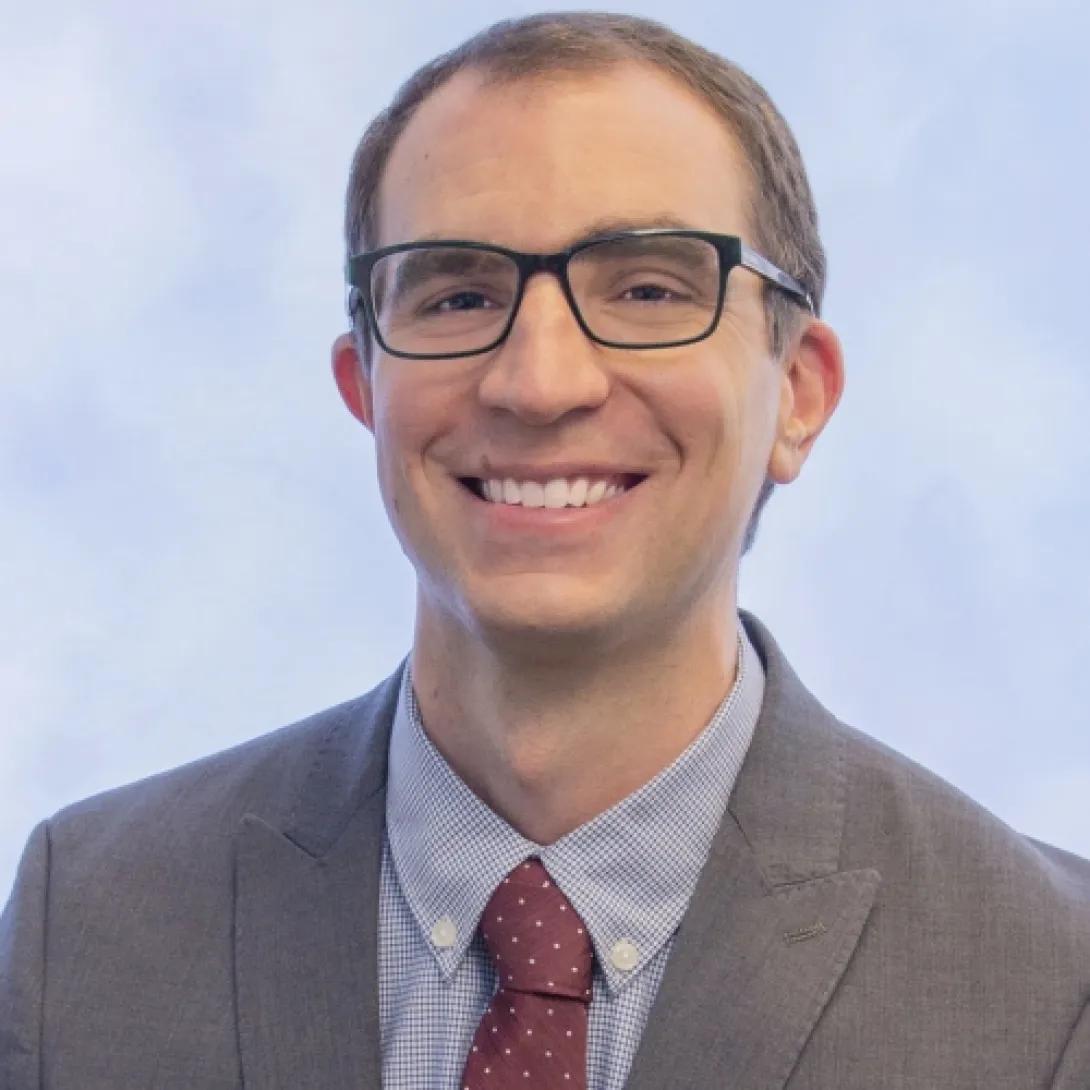
Andrew Wesley Harris, MD
Clinical Assistant Professor
Cardiovascular Disease, Internal Medicine

Megan Shetty Joseph, MD
Clinical Associate Professor
Cardiovascular Disease, Internal Medicine

Taylor Alexander Lebeis, MD
Clinical Assistant Professor
Advanced Heart Failure & Transplant Cardiology, Internal Medicine, Cardiovascular Disease
Daniel Stephen Menees, MD
Clinical Professor
Interventional Cardiology, Cardiovascular Disease, Internal Medicine
Matthew Augustin Romano, MD
Clinical Professor
Thoracic Surgery, Surgical Critical Care
Providers

Brittany George, NP
Advanced Practice Nurse
Nurse Practitioner

Mary Elayne-Assenmacher Judd, NP
Advanced Practice Nurse
Nurse Practitioner
News & Stories

Young father survives aortic dissection after delayed diagnosis
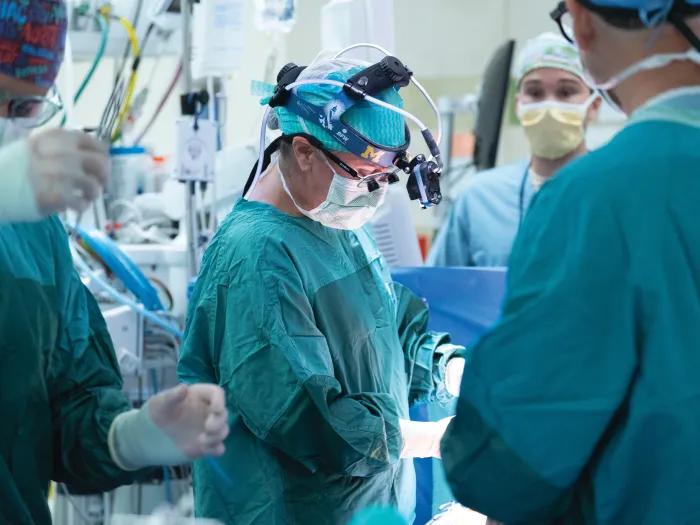
C.S. Mott Children’s Hospital first in country to implant expandable heart valve during FDA review phase

Born with half a heart, headed to college with a full life

More than half of U.S. adults now qualify for statins under new guidelines
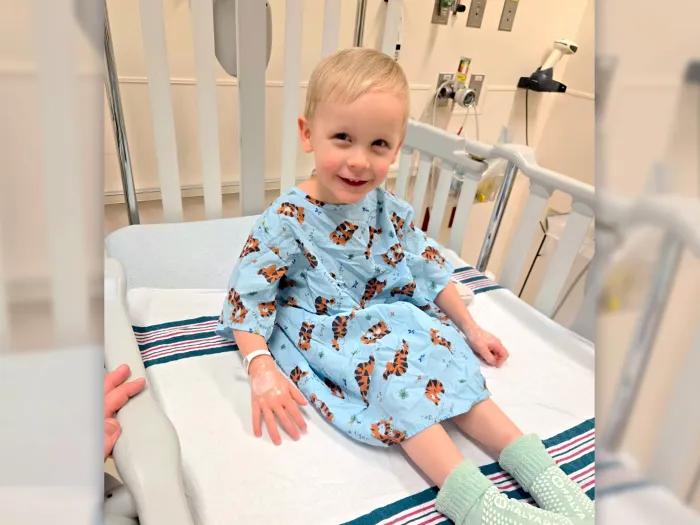
Expert complex heart surgery team saves baby with rare genetic heart condition