Bariatric Surgery
Bariatric Surgery
What is bariatric surgery?
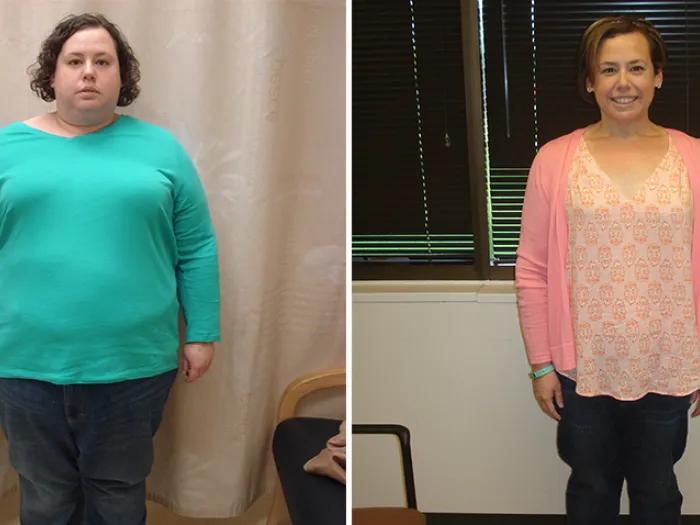
Bariatric surgery, also known as weight loss surgery or metabolic and bariatric surgery, is a tool to help people lose weight by performing surgery on your stomach and digestive tract. Surgery is offered when individuals are unable to lose weight with diet and exercise, medications or when serious health problems occur because of their weight.
The success of bariatric surgery should be based on improvement or resolution of weight-related medical problems, improved life expectancy, and an improved quality of life, not numbers on a scale.
Bariatric Surgery Program Appointments
Call 734-936-5738 to schedule a new patient consultation at one of our clinic locations or see our Bariatric Surgery Program page for detailed information about next steps.
What are the most common types of bariatric surgery?
- Most common bariatric procedure
- Removes approximately 80-85% of the stomach
- Not reversible since most of the stomach is removed from the body
- Decreases hunger and causes increased fullness
- Increases life expectancy
- Improves conditions such as type 2 diabetes and hypertension
- Second most common bariatric procedure
- Creates a small pouch with the stomach and "bypasses" a portion of the intestine
- Decreases hunger and causes increased fullness
- Increases life expectancy
- Improves conditions such as type 2 diabetes and hypertension
- Must AVOID smoking and NSAID use after surgery for your entire life
- At risk for dumping syndrome if you eat the wrong foods
Revisional surgery or endoscopic bariatric procedures after a previous weight loss procedure may be considered in certain situations
Reflux after sleeve gastrectomy
Ulcers or fistulas after gastric bypass
Persistent recurrent vomiting after band or vertical sleeve gastrectomy
What are the benefits of bariatric surgery?
Obesity is a complex, chronic disease which can lead to many long-term conditions. The benefits of bariatric surgery extend beyond weight loss and can improve and resolve many of these conditions, such as:
Type 2 diabetes or prediabetes
High blood pressure
High cholesterol
Sleep apnea
Heart disease
Cancer risk reduction
Arthritis
And more
What happens after bariatric surgery?
Both gastric bypass and sleeve gastrectomy procedures follow the same recovery plan:
1-2 nights in the hospital
Follow-up appointments after surgery:
2-week and 2-month appointments
6-month, 1-year, and annual appointments at the MEND clinic at Domino’s Farms
More follow-up visits can be scheduled if needed
No heavy lifting over 10-20 pounds
No driving while taking narcotic pain medication
No baths or pools until incisions are fully healed. Showering is fine.
Postoperative bariatric diet
Daily vitamin and mineral supplementation
Walk daily and exercise to stay active
Care for your mental and emotional health
Follow the healthy habits you developed before surgery
What are risks and other things to consider after surgery?
Gallstones: Gallstones may develop during the first six months of rapid weight loss. Patients who still have a gallbladder will be prescribed Ursodiol® to decrease the chance of gallstone creation and gallbladder attacks.
Risk for vitamin and mineral deficiency: After surgery you will not absorb nutrients like you did before surgery. This puts you at risk for vitamin and mineral deficiencies. You will be required to eat healthy meals and snacks and take vitamin and mineral supplements each day for the rest of your life.
Pregnancy after bariatric surgery: Patients should avoid becoming pregnant for 12-18 months after undergoing bariatric surgery to maximize weight loss and stabilize overall weight, and focus on vitamin and mineral needs.
Excess/loose skin: Weight loss may result in excessive skin that can cause rashes and infections. Plastic surgery can be performed to remove excess skin, however, patients should check with their insurance carriers to determine if this is a covered benefit.
Weight Regain: Studies have shown that it is normal for most people to regain a small amount of weight (5-10%) before stabilizing. Regular follow-up in our long-term clinic gives patients continued support to maintain weight loss.
Bariatric Surgery Videos
Sleeve Gastrectomy
Gastric Bypass Surgery
Doctors

Justin Brigham Dimick, MD
Professor
Surgery

Anne Pugel Ehlers, MD
Associate Professor
Surgery

Nazanene Helen Esfandiari, MD
Clinical Professor
Endocrinology, Internal Medicine

Nada Fanous, MD
Clinical Assistant Professor
Endocrinology, Internal Medicine

Jonathan Ford Finks, MD
Clinical Professor
Surgery

Ryan Abram Howard, MD
Assistant Professor
Surgery

Hope Tiffany Jackson, MD
Clinical Associate Professor
Surgery

Shafaq Khairi, MBBS
Clinical Assistant Professor
Endocrinology, Internal Medicine

Andrew Timothy Kraftson, MD
Clinical Professor
Endocrinology, Internal Medicine

Merve Kutahyalioglu, MD
Clinical Assistant Professor
Endocrinology, Internal Medicine





Providers

David Francis Marshall, PhD
Clinical Associate Professor
Clinical Psychology, Clinical Neuropsychology
Jennifer Beth Norman, PA-C
Physician Assistant
Physician Assistant
Kristen Loeher Votruba, PhD
Clinical Associate Professor
Clinical Psychology, Clinical Neuropsychology

Amanda Marie Wright, PA-C
Physician Assistant
Physician Assistant
News & Stories
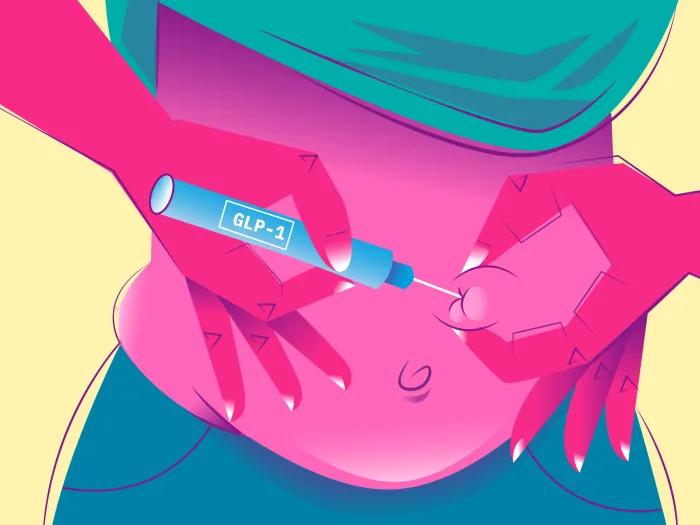
What should you know before starting a GLP-1?

Medicare's New GLP-1 Bridge Program
Bariatric endoscopy for weight loss: What is it and how does it work?
How Obesity Treatment is Changing