
Solid Organ Transplant Pharmacy
The University of Michigan Health PGY2 solid organ transplant residency program prepares its graduates to assume positions in abdominal, cardiothoracic, or pediatric transplantation as clinical specialists employed by an institution or as a non-tenure track faculty member at a college of pharmacy.
General Description
Graduates from this program will be proficient in the care of transplant recipients within all aspects of the transplant process, including pre-transplant, during the acute care phase of transplant, and ongoing post-transplant care. Michigan Medicine is a university teaching hospital providing an exceptional environment to engage our residents in direct patient care activities, research experiences, and teaching opportunities.
Program Purpose
PGY2 residency programs build upon Doctor of Pharmacy (PharmD) education and PGY1 pharmacy residency training to develop pharmacist practitioners with knowledge, skills, and abilities as defined in the educational competency areas, goals, and objectives for advanced practice areas. Residents who successfully complete PGY2 residency programs are prepared for advanced patient care or other specialized positions, and board certification in the advanced practice area, if available.
The PGY2 Solid Organ Transplant Pharmacy Residency program builds on Doctorate of Pharmacy education and PGY1 pharmacy residency training to contribute to the development of clinical pharmacists in advanced or specialized practice in solid organ transplant pharmacotherapy. This PGY2 residency program provides residents with opportunities to function independently as practitioners by conceptualizing and integrating accumulated experience and knowledge and incorporating both into the provision of patient care that improves medication therapy. Residents who successfully complete this accredited PGY2 residency should possess competencies that qualifies them for clinical pharmacist and/or faculty positions and position them to be eligible for attainment of board certification (i.e., BCTXP).
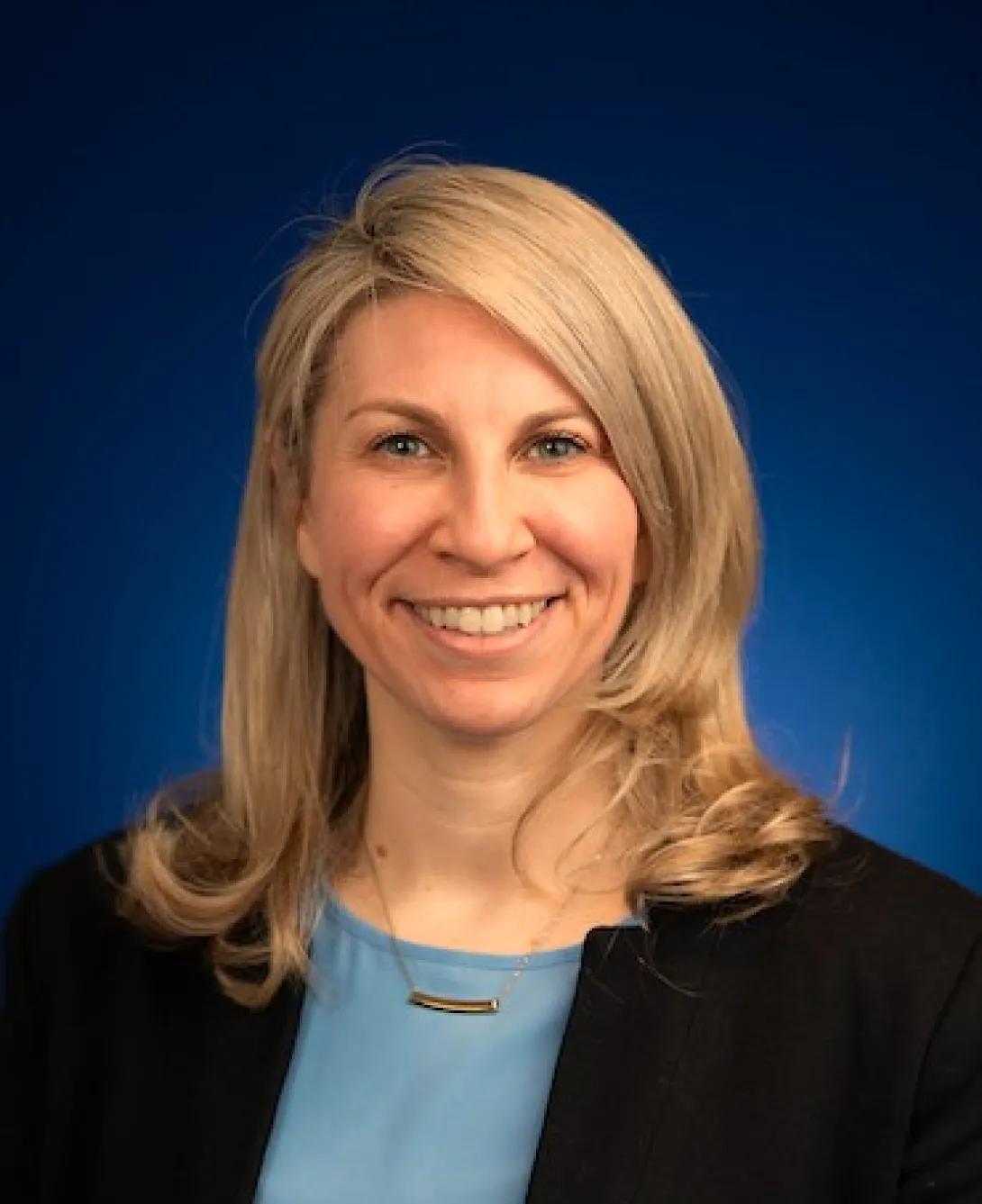
Residency Program Director: Jennifer Hagopian, PharmD, BCPS, BCTXP
- ACCP PGY2 Residency and Fellowship Showcase. Sign up at: https://www.accp.com/meetings/vrfs26/pgy2candidates.aspx
- Personnel Placement Service (PPS) at ASHP Midyear Clinical Meeting in Orlando, FL. Please contact us via ASHP CareerPharm for PPS availability.
If you’re unable to attend Midyear, consider attendance at the University of Michigan Health Virtual Residency Showcase November 19, 2026, from 7–8 PM EST.
- Candidates must pre-register on or before November 19, 2026.
Graduation Requirements
Please see the PGY2 Solid Organ Transplant Pharmacy Graduation Requirements Checklist. graduation requirements checklist for a complete list of all graduation requirements and deliverables.
The resident is expected to cover clinical weekend staffing shifts a minimum of 15 times per year. Hours for the clinical day shifts are Saturdays and Sundays 7:00am - 3:30pm. Resident expectations include management of kinetics, anticoagulation, parenteral nutrition, renal dose adjustments and serving as a drug information resource to the interdisciplinary team. Residents will be required to work one minor holiday and one major holiday block.
Through the research and writing requirements of the program, the resident has the potential to produce at least two manuscripts suitable for peer-reviewed publication by the end of the residency.
The resident will receive a faculty appointment as Adjunct Clinical Instructor with the University of Michigan College of Pharmacy. Experience in rotation-related precepting and teaching both Pharm.D. students and PGY1 residents is available. The resident will have the opportunity to gain additional didactic teaching experience in the Ethics/EBM Transplant Session at the College of Pharmacy.
Jennifer Hagopian, PharmD, BCPS, BCTXP
Clinical Pharmacy Specialist - Solid Organ Transplantation
Adjunct Clinical Assistant Professor in Pharmacy
[email protected]
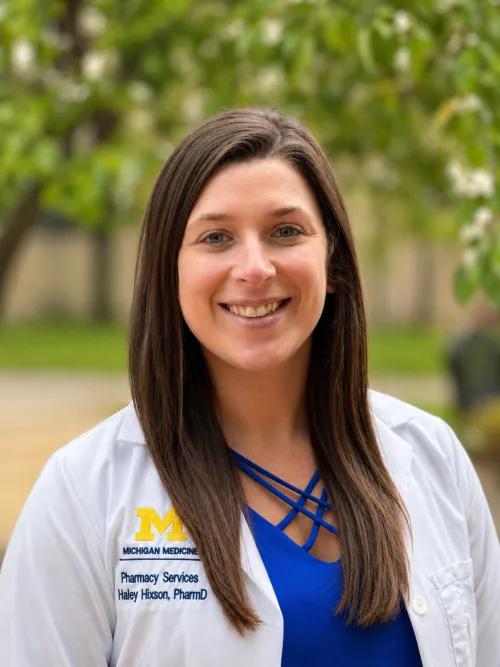
Haley Hixson, PharmD
Solid Organ Transplant Clinical Pharmacy Specialist
Adjunct Clinical Assistant Professor in Pharmacy
[email protected]
Please see our F.A.Q. for application deadlines and information.
