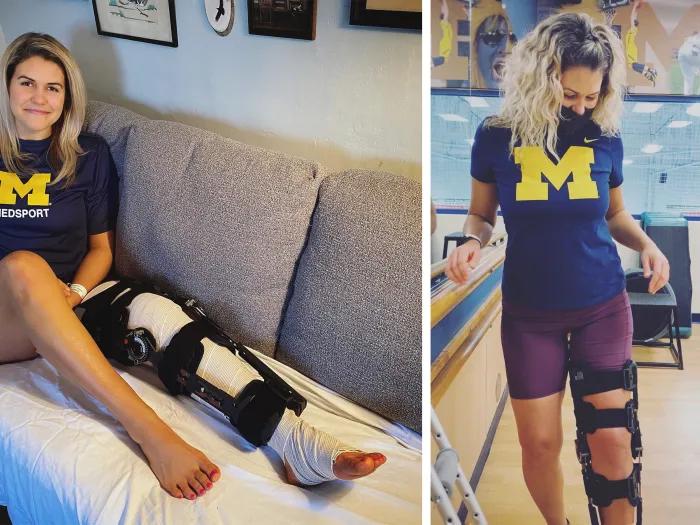
Knee Injuries: Sports Medicine Care
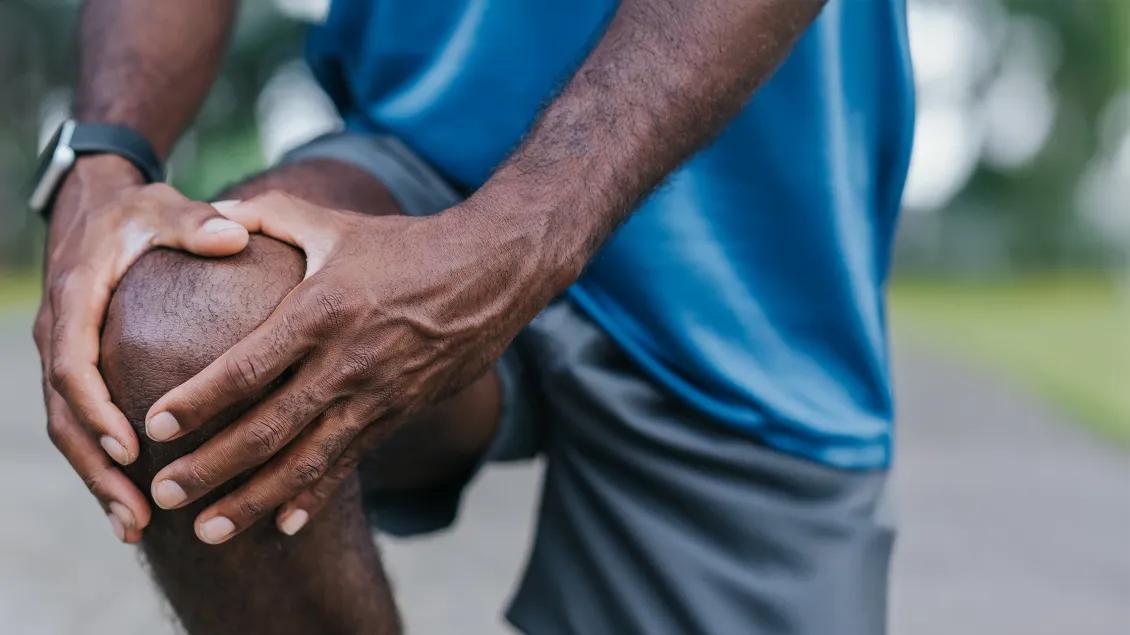
Knee Injuries
Your U-M Health Sports Medicine team cares for knee injuries that affect your stability, strength and performance.
Your Michigan Answer for Knee Injuries
Knee injuries are among the most common injuries in athletes, particularly in sports such as soccer, basketball, football, volleyball and running—or any sport where repeated stress is placed on the knee.
These injuries typically occur in one of three ways: through noncontact movements like sudden deceleration or awkward landings, from blunt force or collisions, or from overuse and repetitive stress over time.
In younger athletes, ligament injuries raise concerns about growth plates and long-term joint health, while older or high-level athletes may face challenges related to recovery time and performance demands. Without proper treatment and rehabilitation, knee injuries can increase the risk of reinjury or early joint degeneration.
Sports Medicine doctors and providers at U-M Health take care to use the best combination of treatments to strengthen your knee to help you get back in the game safely.
Make an Appointment
Make an appointment with one of our U-M Health Sports Medicine experts by calling us at the number below.
You may also submit an appointment request via our form, and we will be in touch with you.
Find a Sports Medicine location close to you:
Meet Our Sports Medicine Experts
Get back to the game you love. Seek treatment for your sports injury from one of our experts.
Knee Injuries We Treat
Explore Knee Injury Details & Doctors
Knee injuries can be caused by a single event or repetitive stress over time and can be treated surgically or nonsurgically.
Learn about the knee injuries we treat and the doctors who treat them by exploring the links below.
Surgical Treatment
- ACL Tears
- LCL Injuries
- MCL Injuries
- Meniscus Injuries
- PCL Tears
- Early Arthritis
- Cartilage Injuries
- Knee Dislocations
- Kneecap/Patellar Instability
- Knee Alignment Issues
Nonsurgical Treatment
- Stress Fractures
- Tendinopathy
- Early Arthritis
- Joint Pain
- Patellar Tendinitis
- Chondromalacia
- Fractures
Knee Injury Treatments
We may recommend a variety of treatments for knee injuries, depending on how severe the injury is and how your performance is affected. Treatments could include surgery, physical or other therapies, or a combination:
- Targeted physical therapy and sport-specific rehabilitation
- Bracing or activity modification
- Pain management and anti-inflammatory therapies
- Orthobiologic treatments, such as PRP, when appropriate
- Minimally invasive or reconstructive surgical options
- Return-to-play planning focused on injury prevention
Whether our team provides surgical or nonsurgical treatments and therapies, you can be assured that U-M Health Sports Medicine providers' advanced expertise and experience will give you the edge you need to recover safely.
Why Choose U-M Health Sports Medicine
News & Stories

A concussion expert and football father discusses why he values teamwork over zero-risk
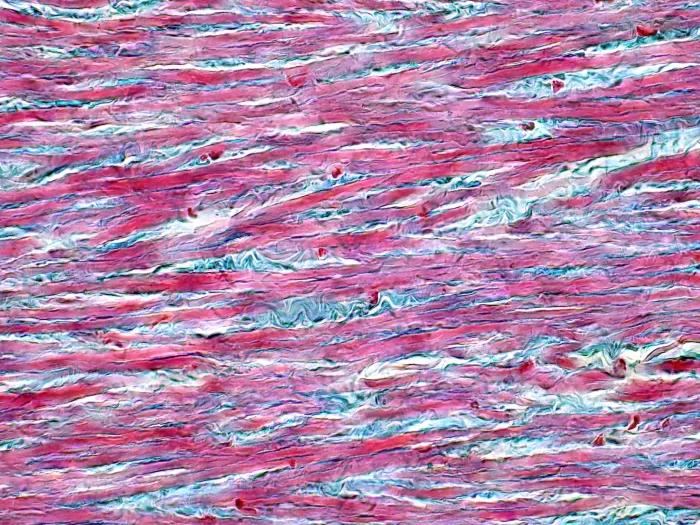
Why tendons heal so poorly and how researchers hope to fix them
To reduce chronic pain, a new digital program could help
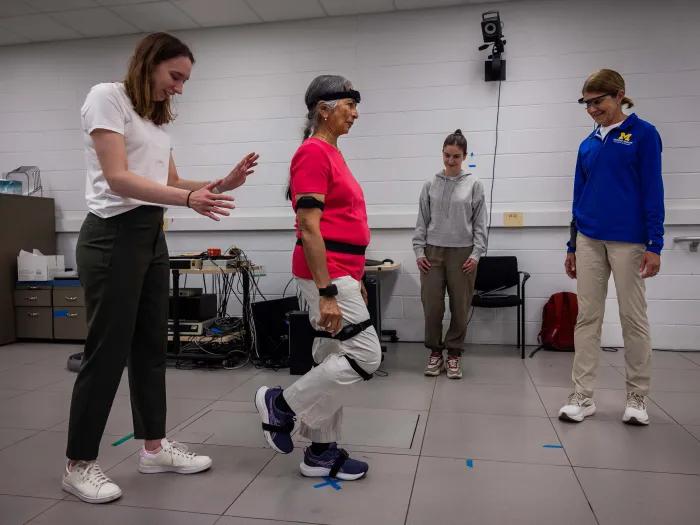
AI supports home-based balance training
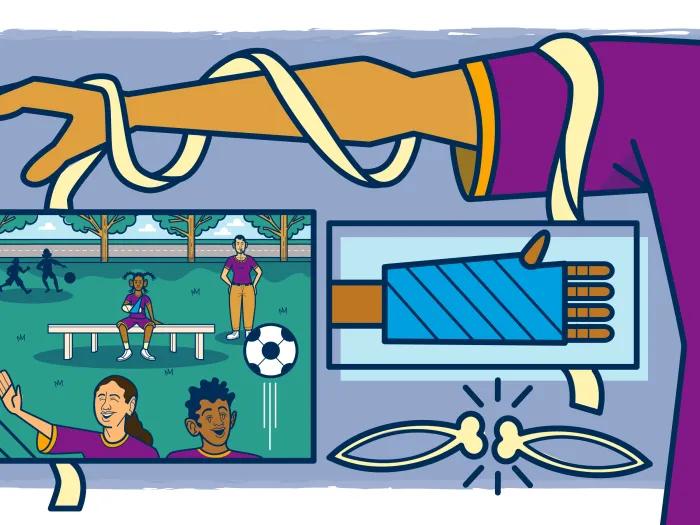
Properly treating, and recovering, from pediatric sports injuries