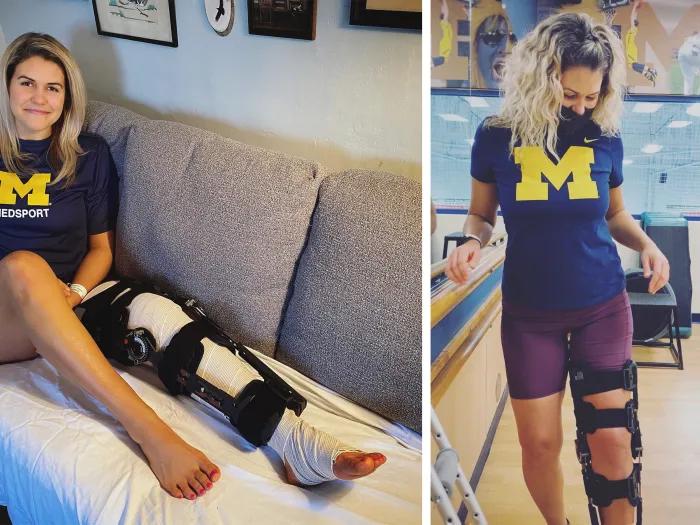
Pediatric & Skeletal Immaturity Injuries
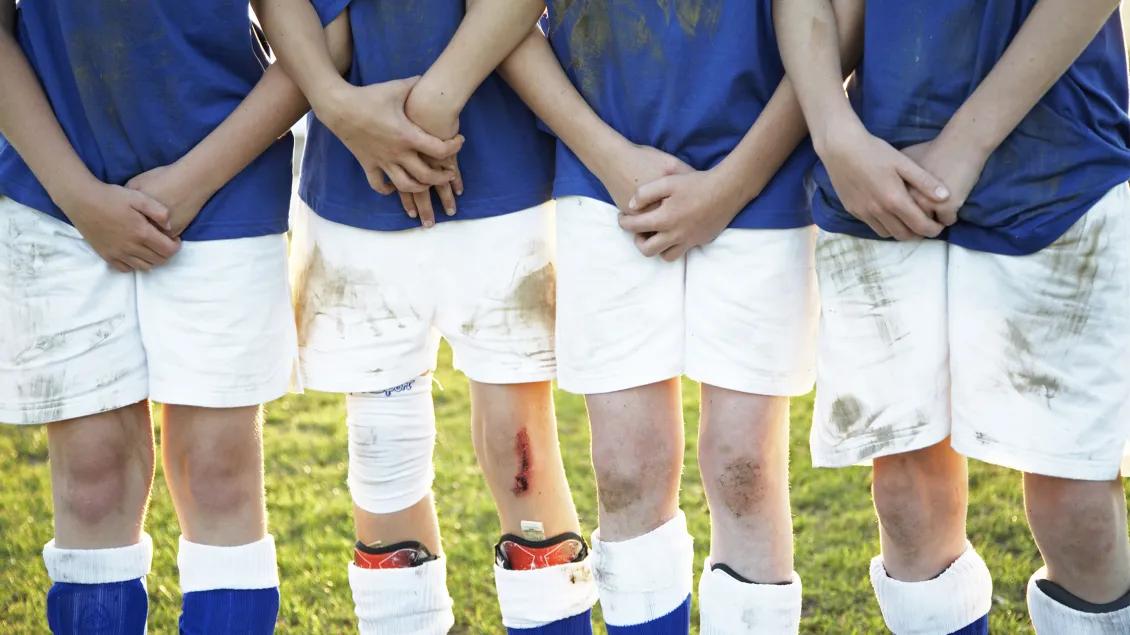
Pediatric Injuries
Your U-M Health Pediatric Sports Medicine team diagnoses and treats children and adolescents with sports-related injuries.
Your Michigan Answer for Pediatric & Skeletal Immaturity Injuries
Sports injuries can be traumatic in any situation, but growing athletes face unique risks that require specialized expertise. Their open growth plates and developing bones respond differently to injury and treatment than fully mature skeletons do and therefore add complexity to both the diagnosis and treatment of these injuries.
That's why finding the right team matters. Treating skeletal immaturity injuries requires an approach that protects not just today's healing but your child's growth and athletic future. The wrong treatment can affect bone development or create problems that follow them into adulthood.
At U-M Health Sports Medicine, we have pediatric sports medicine specialists trained to treat each young athlete with care plans designed for where they are now and where they're headed.
In addition to having advanced expertise of the Sports Medicine specialists, U-M Health also has a full team of Nationally Ranked Pediatric Orthopedics experts at U-M Health C.S. Mott Children’s Hospital on your side.
Make an Appointment
Make an appointment with one of our U-M Health Sports Medicine experts by calling us at the number below.
You may also submit an appointment request via our form, and we will be in touch with you.
Find a Sports Medicine location close to you:
Meet Our Sports Medicine Experts
Get back to the game you love. Seek treatment for your sports injury from one of our experts.
Pediatric Sports Injuries We Treat
Explore Pediatric Sports Injury Details & Doctors
At U-M Health Sports Medicine, our teams are trained to treat the full range of sports injuries in skeletally immature patients. These can range from acute (sudden or traumatic) injuries to chronic or overuse conditions that develop over a season.
Learn about the pediatric sports injuries we treat and the doctors who treat them by exploring the links below.
Acute Injuries
- ACL tears (pediatric)
- Meniscus injuries (pediatric) (when traumatic)
- Cartilage injuries (when traumatic)
- Osteochondral injuries (when traumatic)
- Kneecap/Patellar instability/dislocation
- Elbow injuries (when acute, such as elbow fractures or ligament tears)
Chronic or Overuse Injuries
- ACL tears (can occur from repetitive microtrauma in young athletes)
- Meniscus injuries (when degenerative or from repetitive stress)
- Cartilage injuries (when from repetitive impact)
- Osteochondral injuries (when from repetitive stress)
- Kneecap/Patellar instability (when from tracking issues and muscle imbalances)
- Shoulder instability (when from repetitive overhead activities)
- Elbow injuries (overuse conditions like Little League elbow and osteochondritis dissecans)
Comprehensive Care for Growing Athletes Facing Sports Injuries
Treating a growing athlete isn't the same as treating an adult. We're thinking about open growth plates, developing strength and a future that could include years of competition ahead. That means every treatment decision balances getting them back in the game with protecting what comes next.
Diagnostic Services
- Advanced imaging (X-ray, MRI, ultrasound) with pediatric-specific protocols
- Growth plate assessment and monitoring
- Biomechanical evaluation and movement analysis
- Sport-specific functional testing
Nonsurgical Treatments
- Physical therapy tailored to growing bodies
- Activity modification and training load management
- Bracing and supportive devices designed for pediatric patients
- Injections and pain management therapies when appropriate
- Cutting-edge orthobiologic treatments
Surgical Expertise
When conservative treatment isn't enough, we offer specialized surgical techniques that account for growth and development:
- Growth plate-sparing ACL reconstruction
- Meniscus repair and preservation
- Cartilage restoration procedures
- Ligament reconstruction
- Fracture fixation with growth considerations
- Joint stabilization procedures
Rehabilitation & Return to Sport
Every treatment plan includes age-appropriate rehabilitation designed to restore function, improve strength and range of motion and develop movement patterns that protect against future injury. We work closely with young athletes and their families to ensure a safe, confident return to competition.
Why Choose U-M Health Sports Medicine
News & Stories

A concussion expert and football father discusses why he values teamwork over zero-risk
Why tendons heal so poorly and how researchers hope to fix them
To reduce chronic pain, a new digital program could help
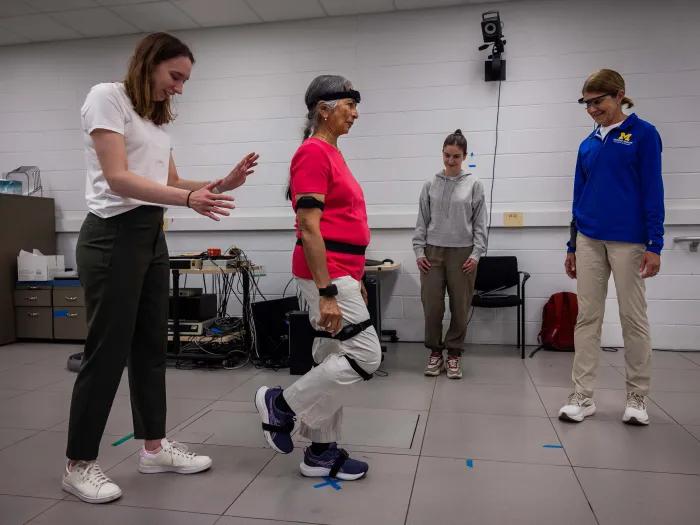
AI supports home-based balance training
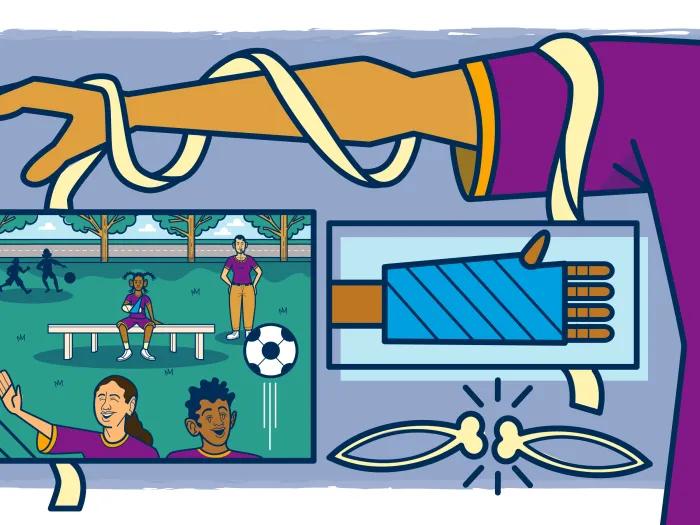
Properly treating, and recovering, from pediatric sports injuries