Shoulder Injuries: Sports Medicine Care
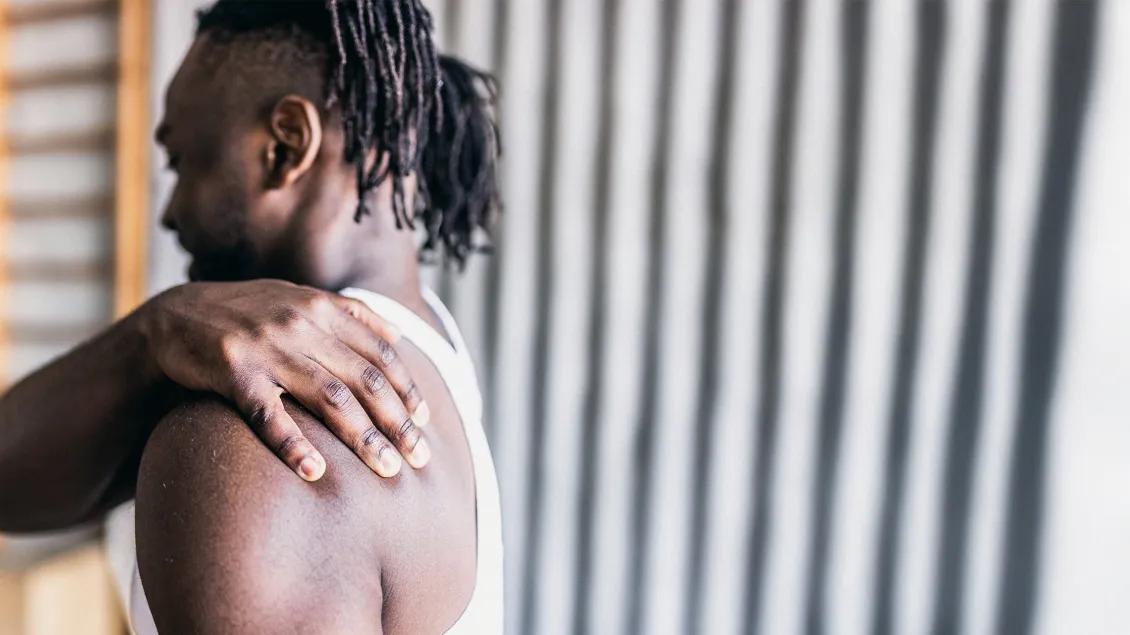
Shoulder Injuries
Your U-M Health Sports Medicine team cares for shoulder injuries that affect your stability, strength and performance.
Your Michigan Answer for Shoulder Injuries
Shoulder injuries are common in athletes who participate in overhead, throwing or contact sports such as baseball, softball, swimming, tennis, volleyball, football and weightlifting.
Many shoulder conditions develop gradually through overuse, while others result from acute trauma or dislocation. Age, sport mechanics and training volume can all affect both injury risk and recovery complexity.
Treating shoulder injuries in athletes requires precise diagnosis, careful rehabilitation and an appreciation for sport-specific movement patterns. U-M Health Sports Medicine providers understand the delicate balance between mobility and stability required for shoulder performance.
You can count on your U-M Health Sports Medicine team to take care to use the best combination of treatments to strengthen your shoulder to help you get back in the game safely.
Make an Appointment
Make an appointment with one of our U-M Health Sports Medicine experts by calling us at the number below.
You may also submit an appointment request via our form, and we will be in touch with you.
Find a Sports Medicine location close to you:
Meet Our Sports Medicine Experts
Get back to the game you love. Seek treatment for your sports injury from one of our experts.
Shoulder Injuries We Treat
Explore Shoulder Injury Details & Doctors
Shoulder injuries in sports can include acute injuries like sprains, breaks and tears, or more gradual injuries from overuse. These injuries can require surgical or nonsurgical treatment.
Learn about the shoulder injuries we treat and the doctors who treat them by exploring the links below.
Surgical Treatment
- Rotator Cuff Tears
- Labral Tears
- SLAP Tears
- Shoulder Dislocation
- Shoulder Instability (recurrent)
- Shoulder Arthroscopy
- Reverse Shoulder Arthroplasty
- Shoulder Tendon Transfers
- Sternoclavicular Injuries
Nonsurgical Treatment
- Shoulder Dislocation/Instability (first-time, minor cases)
- Shoulder Dislocation/Instability (recurrent)
- Shoulder Arthritis
- Shoulder Separation/AC Joint Injuries (Grade I-III)
- Shoulder Nerve Compressions
- Sternoclavicular Injuries
Shoulder Injury Treatments & Reconstruction
Shoulder Injury Treatments
The sports medicine team at U-M Health knows that there are different types of shoulder injuries in sports: acute injuries like sprains, breaks and tears, and more gradual injuries typically from overuse. We have experts who can treat shoulder issues with or without surgery, depending on the injury, and they work together to help you get your shoulder strong, stable and working well again.
Depending on what's going on with your shoulder and what your sport demands, we might use:
- Physical therapy to build up your strength and fix your mechanics
- Modified training to ease you back into throwing or overhead movements
- Injections or other treatments to manage pain
- Cutting-edge orthobiologic therapies when they make sense
- Minimally invasive or reconstructive surgery if needed
- Rehab designed to get you back to peak performance
Rotator cuff tears and labral tears, including SLAP tears, are frequently treated without surgery first, particularly in older or less active patients. Proximal humerus fractures are also sometimes managed nonsurgically, depending on displacement. Your doctor will know the best way to treat your injury based on your specific circumstances.
Shoulder Reconstruction
When damage to the shoulder's structures is severe, shoulder reconstruction may be necessary to restore stability and function. This can include repairing or rebuilding torn ligaments, tendons or cartilage that are essential for the demands of athletic movement. Reconstruction of the shoulder may be recommended for the following:
- Shoulder Arthritis
- Shoulder Arthroscopy
- Reverse Shoulder Arthroplasty
- Shoulder Tendon Transfers
- Shoulder Nerve Compressions
Whatever your type of shoulder injury, our goal isn't just getting you healed—it's getting you back in the game with confidence and keeping you there.
Why Choose U-M Health Sports Medicine
News & Stories

A concussion expert and football father discusses why he values teamwork over zero-risk
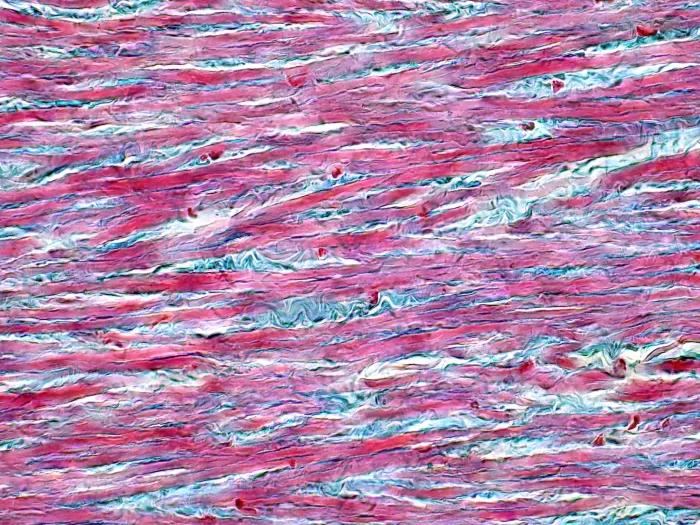
Why tendons heal so poorly and how researchers hope to fix them
To reduce chronic pain, a new digital program could help
AI supports home-based balance training
Properly treating, and recovering, from pediatric sports injuries