Infertility
Infertility
What is infertility?
Infertility means that you haven't been able to get pregnant after trying for at least 1 year (or 6 months if you're over 35). It doesn't mean you'll never get pregnant.Your chances of getting pregnant are higher when you are younger. You are most able to get pregnant (fertile) in your late 20s. Then, in your mid-30s, you become less fertile. This is because your eggs get older.
Trouble getting pregnant can be caused by a problem with the reproductive organs. Talk with your doctor about testing and treatment. Testing will likely start with hormone and semen testing. There is a wide range of treatment options. They include medicines, surgery, insemination, and in vitro fertilization (IVF).
What causes infertility?
Infertility may be caused by:
Problems with the eggs or releasing an egg (ovulating).
Problems with the uterus or the fallopian tubes. This may result from things like endometriosis or pelvic inflammatory disease.
Problems with the sperm. These problems may include how sperm is made, how it functions, or how it moves.
An unknown issue. Sometimes the cause of infertility is not known.
Rates of infertility and miscarriage increase with age. Female fertility peaks in the late 20s. It slowly starts to decline in the early 30s. A larger drop in fertility and increase in miscarriage risk begins around the mid-30s. This is mainly because of the aging egg supply. Male fertility also decreases with age. But it's a more gradual decline.
What increases your risk for infertility?
Things that increase your risk for infertility include:
Age. Eggs and sperm can decrease in number or quality with age.
Birth defects. Some people were born with problems in their reproductive systems.
Moderate or severe endometriosis.
Past exposure to very high levels of environmental toxins, certain drugs, or high doses of radiation. This includes cancer chemotherapy or radiation.
Past infection with a sexually transmitted infection (STI) that has since damaged the reproductive system. This includes gonorrhea or chlamydia.
Polycystic ovary syndrome. This is a hormone imbalance that can affect ovulation. This can make it harder to get pregnant.
Appointment Information
To make an appointment at the U-M Health Center for Reproductive Medicine, call 734-763-6295, option 1 today.
How is infertility diagnosed?
To check for infertility, a doctor can:
Do a physical exam.
Ask questions about your past health. This may help your doctor find clues, such as a history of miscarriages or pelvic inflammatory disease.
Ask about your lifestyle habits. This includes how often you exercise and whether you drink alcohol or use drugs.
Do tests that check semen quality. Other tests can measure hormone levels. Hormone imbalances can be a sign of ovulation problems or sperm problems that can be treated.
Check the uterus, fallopian tubes, and ovaries.
Before you have fertility tests, it may help to try fertility awareness. Chart basal body temperature and use home tests to learn when you are likely to ovulate and be fertile. Some people find that they have been missing the most fertile days when trying to conceive.
How is infertility treated?
There are many treatment options for infertility. They include medicine to help with ovulation and treatment to increase sperm count. A procedure may be done to put sperm directly inside the uterus. Surgery may help certain reproductive problems.
Medicine or hormone treatments are often the first steps in fertility treatment. They're also used for in vitro fertilization (IVF) and other assisted reproductive technologies. Medicines include:
Clomiphene and letrozole. These stimulate the release of hormones that help with ovulation.
Gonadotropins. These hormone shots stimulate the ovaries to produce mature eggs.
Treatment for polycystic ovary syndrome (PCOS). If you're not ovulating because of PCOS, your doctor might recommend a drug such as metformin along with clomiphene.
Gonadotropin-releasing hormone (GnRH). It increases production of hormones needed to produce eggs and sperm.
Bromocriptine and cabergoline. These lower prolactin levels. High prolactin levels can prevent ovulation and sperm production.
GnRH analogue. This is used for IVF.
Infertility treatment is a success if it results in the birth of a healthy baby. Many things affect your chances of conceiving and carrying a healthy pregnancy, with or without treatment. Major ones include:
Your age and how long you've been trying to conceive: Your age (and the age of your egg supply) has a big impact on your chances of getting pregnant and having a healthy baby. From your mid-30s into your 40s, your chance of pregnancy with your own eggs decreases, and your risk of miscarriage increases.
The cause of infertility:
Ovulation problems (except those related to age) are the most successfully treated cause of infertility. But problems with the fallopian tubes can be harder to treat.
The success of treating other causes depends on the type of problem and how severe it is.
Some people complete many cycles of infertility treatment before they conceive or decide that treatment has failed. Before you start treatment, talk to your doctor and decide how much time and money you are willing to spend.
For some people with fertility problems, a structural problem can be treated with surgery. Treatment can increase the chances of natural conception.
When thinking about surgery, ask your doctor questions about the procedure. For example, how many times has the surgeon done the procedure? What are the chances of treatment success? How long will it take to recover?
Surgery may include:
Fallopian tube procedures. This includes sterilization reversal.
Laparoscopic surgery. This may help treat endometriosis.
Myomectomy. This may help treat uterine fibroids.
Laparoscopic ovarian drilling. This may be used when weight loss and medicine haven't stimulated ovulation in people who have polycystic ovary syndrome (PCOS).
Varicocele repair. This is used to cut or bypass an enlarged vein in the scrotum.
Vasectomy reversal. This reconnects the tubes (vas deferens) that were cut during a vasectomy.
If you have severely blocked fallopian tubes, your doctor may recommend that you skip surgery and have in vitro fertilization (IVF). You might also choose IVF first if you are older than 34 (for any type of blockage) or if you want to get pregnant as soon as possible, at any age. You may be able to get pregnant sooner if you choose IVF than if you have surgery.
Sometimes infertility is related to lifestyle or other health conditions. To help protect your fertility:
Avoid using tobacco (cigarettes) and marijuana.
Avoid exposure to harmful chemicals.
Avoid excessive alcohol use.
Limit sex partners and use condoms to reduce the risk of getting a sexually transmitted infection (STI). Untreated STIs can damage the reproductive system and cause infertility. If you think you may have an STI, get treatment right away to reduce the risk of damage.
Stay at a body weight that's close to the ideal for your height. It will reduce the chance of hormone imbalances.
If you have been diagnosed with cancer and hope to have children in the future, talk to your doctor about your options to help preserve fertility.
Complementary medicine may help you stay well and cope with infertility. Complementary medicine for fertility includes:
Acupuncture.
Dietary changes.
Relaxation techniques.
Mind-body medicine.
Talk with your doctor about any complementary health practice that you would like to try or are already using. Your doctor can help you manage your health better if they know about all of your health practices.
For your first fertility questions and testing, you can see:
A family medicine physician.
An internist.
A nurse practitioner (NP).
For complete fertility testing, see an obstetrician/gynecologist with special training and experience in fertility problems. This doctor may be called a reproductive endocrinologist or fertility specialist. When looking for a specialist, ask what percentage of a doctor's practice is fertility treatment. Also ask if the doctor has training in reproductive endocrinology.
Locations
-
Reproductive Endocrinology Clinic | Center for Reproductive Medicine 475 Market Place
Briarwood Building 1
Ann Arbor, MI 48108-1649Get Directions -
Reproductive Endocrinology Clinic | Center for Reproductive Medicine at Bloomfield Hills 41000 Woodward Ave Ste 100 East
Bloomfield Hills, MI 48304-5131Get Directions
Doctors
Hanh Nguyen Cottrell, MD
Clinical Assistant Professor
Reproductive Endocrinology, Obstetrics & Gynecology

James Michael Dupree, MD
Clinical Professor
Urology

Emily Lenk Ferrell, MD
Clinical Assistant Professor
Reproductive Endocrinology, Obstetrics & Gynecology

Erica Elizabeth Marsh, MD, MSCI, FACOG
Professor
Reproductive Endocrinology, Obstetrics & Gynecology

Marie Menke, MD
Clinical Associate Professor
Obstetrics & Gynecology, Reproductive Endocrinology

Michael Scott Mersol-Barg, MD
Clinical Assistant Professor
Obstetrics & Gynecology, Reproductive Endocrinology

Catherine Soorim Nam, MD
Clinical Assistant Professor
Urology

Dana Alan Ohl, MD
Professor
Urology

John F Randolph, MD
Professor
Reproductive Endocrinology, Obstetrics & Gynecology

Samantha Beth Schon, MD
Associate Professor
Reproductive Endocrinology, Obstetrics & Gynecology


Providers

Lindsay Renee Brennan, MSW
Social Worker
Licensed Clinical Social Worker
Chelsea Lee Hinds, NP
Advanced Practice Nurse
Nurse Practitioner

Audrey Anna Hinton, CNM
Advanced Practice Nurse
Midwife-Certified Nurse

Timesha Young, PA-C
Physician Assistant
Physician Assistant
News & Stories

Many hospitals still don’t do enough to prevent UTIs from catheters
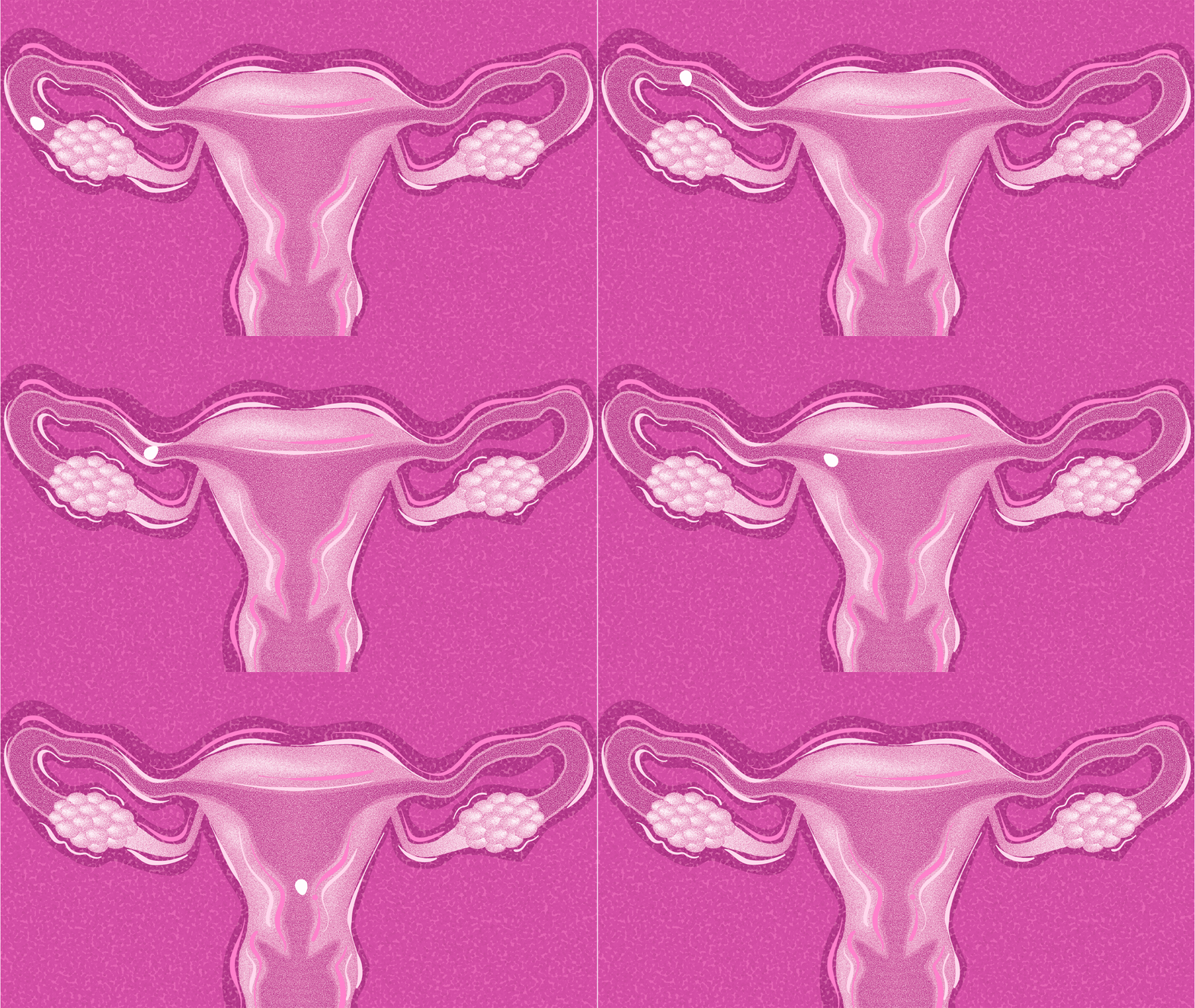
PCOS has a new name

U-M Regents approve Michigan Medicine leadership changes

Long friendship inspires urology resident fund

Researchers create new path to target hard-to-drug prostate cancer protein