
Pediatric Pharmacy
Pediatric Pharmacy is a one-year ASHP accredited PGY2 residency that is designed to develop practitioner expertise in pediatric pharmacotherapy and clinical skills by providing a diverse number of experiences in pediatrics.
General Description
C.S. Mott Children’s and Von Voigtlander Women’s Hospital is a 350-bed acute care academic medical center that offers residents a wide variety of educational experiences in nationally ranked pediatric specialties. Experience can be gained in general pediatrics (including pulmonology, hematology/oncology, neurology, nephrology, and gastroenterology), pediatric infectious diseases, pediatric and neonatal intensive care, pediatric cardiology, pediatric surgery, pediatric bone marrow transplant, academia, emergency medicine, and more! The resident will gain experience in the ambulatory care setting in the pediatric pulmonary clinic, primarily focused on asthma and cystic fibrosis, with additional ambulatory learning experiences in cardiology and hematology/oncology available. We also offer the opportunity to teach in the pediatric elective course at the college of pharmacy.
Additional experiences include: precepting APPE and PGY1 residents, appointment as an adjunct faculty member at the University of Michigan College of Pharmacy, two publication opportunities, participation in code response, and other opportunities tailored to meet the individual resident's interests.
Program Purpose
PGY2 residency programs build upon Doctor of Pharmacy (PharmD) education and PGY1 pharmacy residency training to develop pharmacist practitioners with knowledge, skills, and abilities as defined in the educational competency areas, goals, and objectives for advanced practice areas. Residents who successfully complete PGY2 residency programs are prepared for advanced patient care or other specialized positions, and board certification in the advanced practice area, if available.
This residency program is designed to develop the clinician’s expertise in pediatric pharmacotherapy to practice as a clinical pharmacy specialist or clinical faculty member.
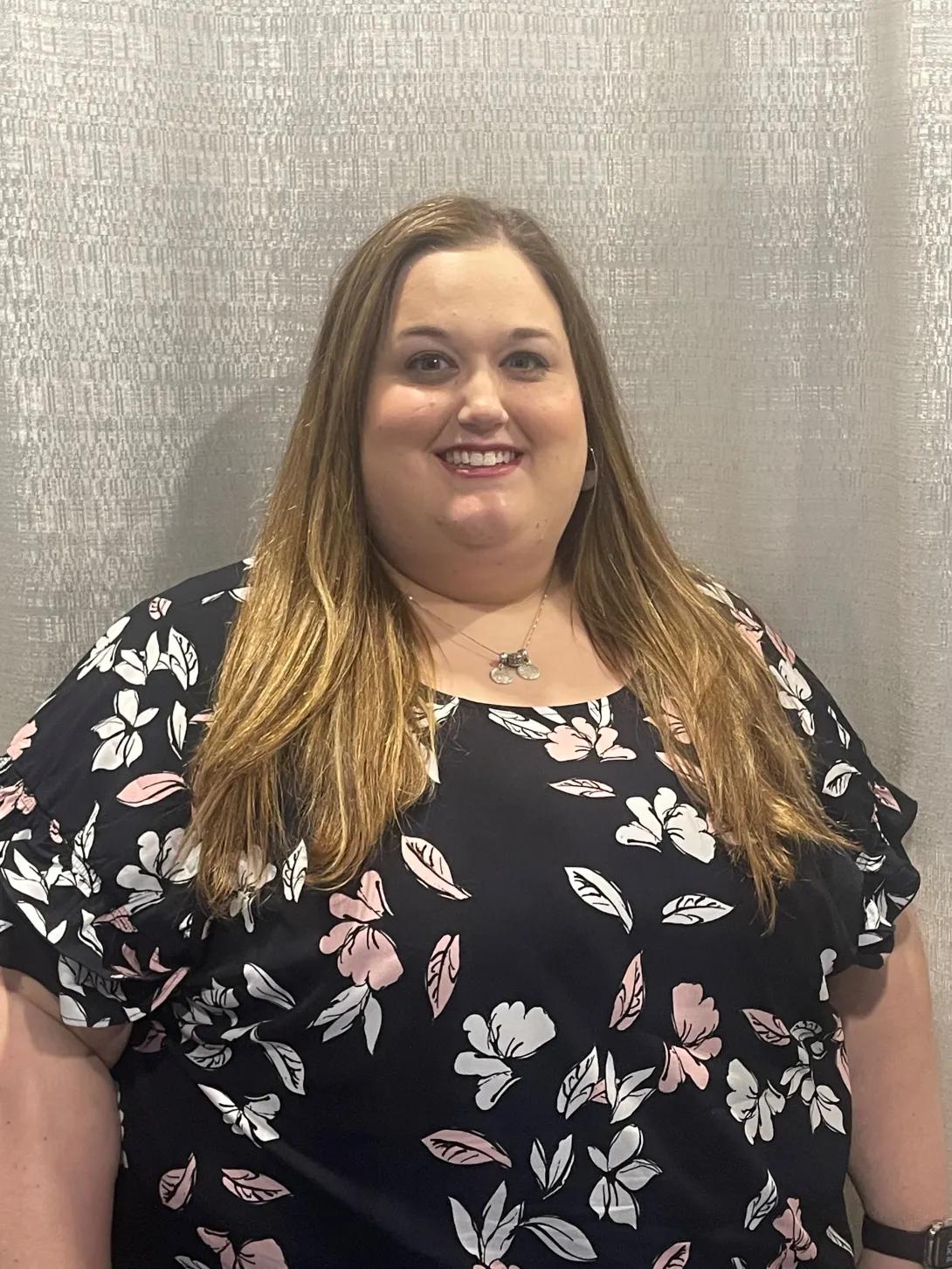
Residency Program Director: Erin Sullivan, PharmD, BCPPS
We will conduct in-person interviews at PPS during the ASHP Midyear Clinical Meeting. Please schedule an interview to connect with the RPD and current PGY2 resident!
If you’re unable to attend Midyear, consider attendance at the University of Michigan Health Virtual Residency Showcase November 19, 2026, from 7–8 PM EST.
- Candidates must pre-register on or before November 19, 2026.
Interviews for 2027 will be 100% in-person. Information on how to apply to our residency program can be found in the About section of the website.
Please see the PGY2 Pediatric Pharmacy Graduation Requirements Checklist & Program Deliverables for a list of all program completion requirements.
Required Rotations
- General Pediatrics
- Neonatal Intensive Care
- Pediatric Cardiology
- Pediatric Emergency Medicine
- Pediatric Intensive Care
- Pediatric Hematology/Oncology
Elective Rotations
Any of the rotations listed above may be repeated or elective rotations can be tailored specifically to meet an individual resident’s needs.
- Academia (clinical track hybrid with Cystic Fibrosis Clinic)
- Pediatric Administration
- Pediatric Bone Marrow Transplant
- Pediatric Hematology/Oncology Clinic
- Pediatric Infectious Diseases
- Pediatric Psychiatry
Longitudinal Experiences
- ACPE-accredited continuing education presentation
- Membership on pediatric pharmacy committee
- Membership on a pharmacy residency committee
- Pediatric pulmonary clinic
- Pharmacy operations experience
- Pharmacy practice management
- Research project
- Writing project
- Teaching opportunities at the University of Michigan College of Pharmacy
The PGY-2 pediatric resident will work approximately every third weekend throughout the residency year alternating between clinical and operational shifts in C.S. Mott Children’s Hospital. In addition, the resident will work one minor holiday (Memorial Day) and a 5-day block around one of the major holidays (Thanksgiving/Christmas).
Through the research and writing requirements of the program, the resident has the potential to produce at least two manuscripts suitable for peer-reviewed publication by the end of the residency.
Residents will receive a faculty appointment as Adjunct Clinical Instructor with the University of Michigan College of Pharmacy. Experience in rotation-related precepting and in teaching of PharmD students and PGY1 residents are widely available.
Erin Sullivan, PharmD, BCPPS
Clinical Pharmacy Specialist – Neonatal ICU
PGY2 Pediatric Pharmacy Residency Director
Adjunct Clinical Instructor – UM College of Pharmacy
Email: [email protected]
- Julia Brown, PharmD - Pediatric Hematology/Oncology
- Bronwyn Crandall, PharmD, BCPPS - Pediatric Cardiothoracic ICU and Congenital Heart Center
- Karen Davidge, PharmD - Pediatric Infectious Diseases
- Ashley Huebschman, PharmD, BCPPS - Pediatric Cardiothoracic ICU and Congenital Heart Center
- Madeleine King, PharmD, BCOP - Pediatric Hematology/Oncology
- Phil Kociemba, PharmD, MBA, BCPS – Pediatric Pharmacy Practice Management
- Brittni Lowry, PharmD, BCPPS - General Pediatrics
- Christopher Bond, PharmD, BCPPS – Pediatric Intensive Care
- Elizabeth Macon, PharmD, BCPPS - Pediatric Emergency Medicine
- Erin Sullivan, PharmD, BCPPS - Neonatal Intensive Care Unit
- Hanna Phan, PharmD, FCCP, FPPA - Ambulatory Care
- Daniel Riggsbee, PharmD, BCPS, BCPPS - Pediatric Infectious Diseases
- Ashley Sauro, PharmD, BCPS - General Pediatrics
- Gianni Scappaticci, PharmD, BCOP - Pediatric Bone Marrow Transplant
The program is structured in accordance with the ASHP Accreditation Standards and ASHP Educational Outcomes, Goals, and Objectives for a PGY2 Pediatric Pharmacy residency and utilizes the Residency Learning System model. This program has a four-part assessment strategy of learning experiences: resident evaluation of learning experience, resident evaluation of preceptor, resident self-evaluation, and preceptor evaluation of the resident’s performance during the learning experience.
- Please check out the F.A.Q. for application information & deadlines.
