Diabetes - Type 2
Diabetes - Type 2
What is type 2 diabetes?
Type 2 diabetes makes it difficult for a person’s body to use the insulin it produces. This is called insulin resistance: the cells of your body do not easily recognize your insulin. If the insulin is not recognized, the "door" to your cells will not open to allow sugar to move from the blood into the cell. Sugar remains in the blood, leading to higher than normal blood sugars.
Who is affected by type 2 diabetes?
Anyone can develop diabetes. However, people who have a family history of diabetes are more likely to develop it. The risk of developing type 2 diabetes also increases as people become older, sedentary, or overweight. Ethnic background is also an important factor. People of Native American, Latino, African American, and Asian American descent are at greater risk for diabetes.
Additionally, people who develop diabetes while pregnant (known as gestational diabetes) are at higher risk of developing type 2 diabetes. People of any age can get type 2 diabetes. It is seen most frequently in adults, but type 2 diabetes is rapidly increasing in children and adolescents. Federal statistics estimate that 18.2 million children and adults in the United States — 6.3 percent of the population — have diabetes. While an estimated 13 million of these have been diagnosed with diabetes, 5.2 million are estimated to have type 2 diabetes and not know it. Most people with diabetes have type 2 diabetes.
What are the risk factors for type 2 diabetes?
- A family history of diabetes
- Overweight
- An inactive lifestyle
- Over 45 years old
- African American, Asian American, Hispanic, Native American or Pacific Islander heritage
- History of gestational diabetes or having a baby weighing over 9 pounds
- Having high cholesterol and/or high blood pressure
Appointment Information
To make an appointment with a clinician, call 734-647-5871.
What are the symptoms of type 2 diabetes?
- Frequent urination
- Increased thirst
- Increased appetite
- Fatigue
- Blurred vision
- Slowly healing infections or wounds
- Pain, numbness or tingling in the feet
Progression of type 2 diabetes
For those with a family history of type 2 diabetes, weight gain and an inactive lifestyle can increase insulin resistance. As insulin resistance increases, your body fights to maintain normal blood sugar levels. It does this by increasing the amount of insulin made in the pancreas. During this phase you may develop pre-diabetes (glucose intolerance). The extra insulin helps for a while, but eventually your pancreas becomes tired and can no longer produce enough insulin to maintain normal blood sugars. It is at this point you may be diagnosed with type 2 diabetes.
Over time, the pancreas of people with type 2 diabetes may naturally lose its ability to make insulin. Therefore it is expected that you may move from controlling diabetes with meal planning and exercise to adding oral medications and possibly insulin. Remember, it is most important to maintain normal blood sugars, and you may need to add oral medication or insulin to meal planning and physical activity.
How is type 2 diabetes treated?
Treatment for type 2 diabetes focuses on keeping your blood sugars as close to normal as possible. This is the best way to prevent the complications of diabetes. The components of diabetes care include:
- Glucose Monitoring
- Meal Planning
- Physical Activity
- Medication (pills or insulin)
- Screening for complications
Locations
-
Metabolism, Endocrinology & Diabetes Clinic | Livonia Health Center 20321 Farmington Rd
Lobby C
Livonia, MI 48152-1411Get Directions -
Metabolism, Endocrinology & Diabetes Clinic | Northville Health Center 39901 Traditions Dr
Floor 2
Northville, MI 48168-9493Get Directions -
Metabolism, Endocrinology & Diabetes Clinic | West Ann Arbor Health Center-Parkland Plaza 380 Parkland Plaza Ste 210
Floor 2
Ann Arbor, MI 48103-6201Get Directions -
Metabolism, Endocrinology and Diabetes Clinic | Canton Health Center 1051 N Canton Center Rd
Lobby C
Canton, MI 48187-5097Get Directions
Doctors

Alison Holley Affinati, MD, PhD
Assistant Professor
Endocrinology, Internal Medicine

Nevin Nuray Ajluni, MD
Clinical Assistant Professor
Endocrinology, Internal Medicine

Cristina Alvarado Nieves, MD
Clinical Assistant Professor
Endocrinology, Internal Medicine

Lynn Phyuphyu Ang, MBBS
Clinical Associate Professor
Endocrinology, Internal Medicine

Richard Joseph Auchus, MD, PhD
Professor
Endocrinology, Internal Medicine

Timothy William Bodnar, MD
Clinical Associate Professor
Endocrinology, Internal Medicine
David Tyler Broome, MD
Clinical Assistant Professor
Endocrinology, Internal Medicine

Charles Francis Burant, MD PhD
Professor
Endocrinology, Internal Medicine

Eric Dale Buras, MD
Assistant Professor
Endocrinology, Internal Medicine

Debbie Wan Hua Chen, MD
Clinical Assistant Professor
Endocrinology, Internal Medicine




















News & Stories
Gene editing is coming for common diseases. Are we ready?

Is the United States Lagging Behind Europe in Memory Improvement?

New insight into how lipodystrophy can affect overall health
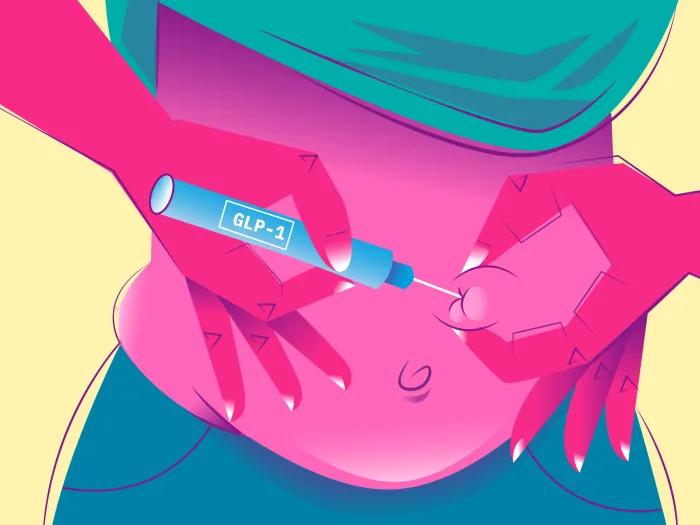
What should you know before starting a GLP-1?

Using genetic testing, doctors help patient find answers for her diabetes