Shoulder Arthritis
Shoulder Arthritis
What is shoulder arthritis?
Shoulder arthritis occurs when the smooth cartilage that covers the joint surfaces wears down. This can occur from normal wear and tear, or as the result of trauma. This can cause pain, loss of motion, grinding, and difficulty using the arm for daily activities such as reaching overhead, dressing, lifting, or sleeping comfortably. Arthritis may affect the main shoulder joint or the smaller acromioclavicular joint at the top of the shoulder.
What causes shoulder arthritis?
Common causes may include:
Age-related cartilage wear
Prior shoulder injury
Previous shoulder dislocation
Rotator cuff problems
Inflammatory arthritis
Post-traumatic arthritis after fracture or surgery
Repetitive overhead activity
What are the symptoms of shoulder arthritis?
Symptoms include:
Shoulder pain
Stiffness or loss of motion
Sense of grinding, clicking, or catching
Pain with reaching or lifting
Difficulty sleeping, in particular when lying on the affected shoulder
Weakness or fatigue with arm use
Trouble reaching behind the back or overhead
What is the treatment for shoulder arthritis?
Treatment may include:
Rest
Ice or heat for symptom relief
Activity modification
Physical therapy to maintain motion and strengthen supporting muscles
Anti-inflammatory medication when appropriate
Corticosteroid injections in select cases
Lifestyle changes to reduce painful repetitive movements
Surgical Treatment
Surgery may be recommended depending on the injury, symptoms, activity level, and response to non-surgical care. For arthritis affecting the acromioclavicular joint, surgical options may include:
Removing a small portion of the collarbone to reduce painful bone contact with overhead activities. This can be performed through an arthroscope (small camera) or through a small open incision.
For arthritis affecting the main shoulder (glenohumeral) ointment, surgical options may include:
Shoulder arthroscopy: May be used in select cases to remove loose tissue or treat mechanical symptoms.
Partial shoulder replacement: Replaces the damaged ball (humeral head)
Total shoulder replacement: Replaces the damaged ball and socket surfaces with implants. This is includes an anatomic total shoulder replacement which maintains the anatomy of the shoulder, or a reverse shoulder replacement which compensates for any associated rotator cuff problems. If indicated for a replacement, your provider will discuss which option is best for you.
Sports Medicine at U-M Health
Do you have a sports injury that's affecting your performance or ability to play? Learn more about our sports medicine care and how to make an appointment with one of our experts.
News & Stories

A concussion expert and football father discusses why he values teamwork over zero-risk
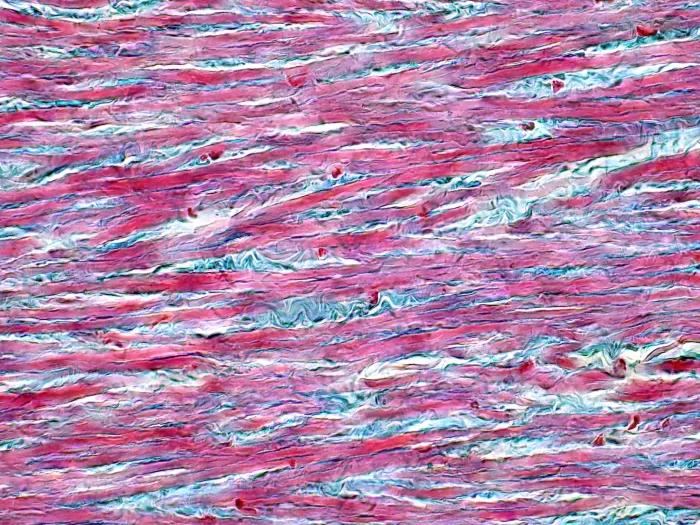
Why tendons heal so poorly and how researchers hope to fix them

A Gift to Benefit All: Bill and Sally Martin’s Visionary Support for Sports Medicine

Gift launches new sports medicine institute at Michigan Medicine
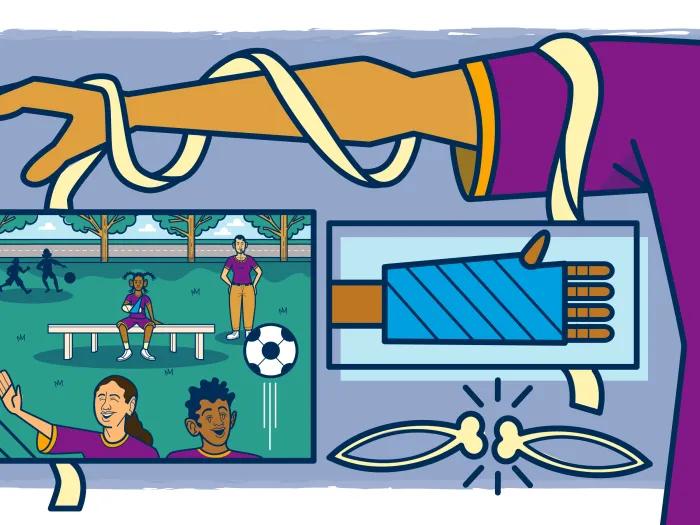
Properly treating, and recovering, from pediatric sports injuries