Shoulder Arthroscopy
Shoulder Arthroscopy
What is shoulder arthroscopy?
Shoulder arthroscopy is a minimally invasive procedure used to diagnose and treat a variety of shoulder problems. A small camera and tiny surgical instruments are inserted through small incisions.
Indications
Common indications include:
Rotator cuff tears
Labral tears
Shoulder instability
Biceps tendon problems
Inflamed or irritated tissue
Cartilage injuries
Frozen shoulder
Ongoing shoulder pain
Weakness
Limited range of motion
Surgical Options
Surgery may depend on the injury, symptoms, activity level, and response to non-surgical care. Surgical options may include:
Rotator cuff repair: Reattaching a torn tendon to the bone.
Labral repair: Repairing torn cartilage around the shoulder socket.
Shoulder stabilization: Tightening or repairing tissue that allows the shoulder to slip out of place.
Biceps tendon treatment: Repairing, releasing, or repositioning a damaged tendon
Debridement (clean up): Removing inflamed or damaged tissue to reduce pain and improve motion; may also involve removing bone spurs.
Sports Medicine at U-M Health
Do you have a sports injury that's affecting your performance or ability to play? Learn more about our sports medicine care and how to make an appointment with one of our experts.
News & Stories

A concussion expert and football father discusses why he values teamwork over zero-risk
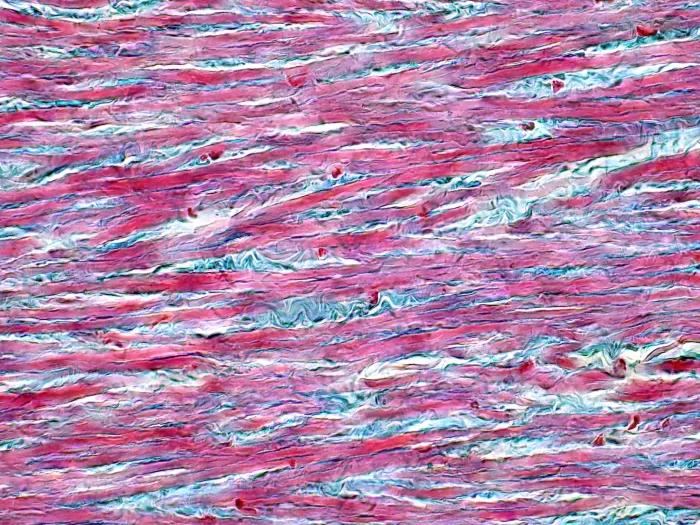
Why tendons heal so poorly and how researchers hope to fix them

A Gift to Benefit All: Bill and Sally Martin’s Visionary Support for Sports Medicine

Rethinking how clinicians learn to feel disease
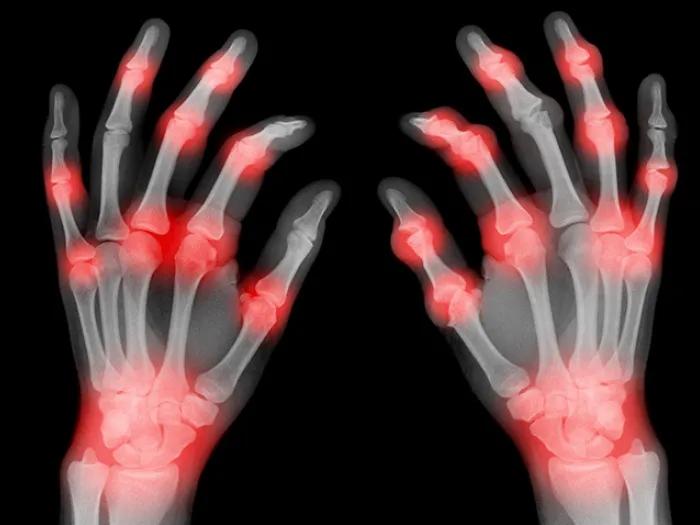
Treating arthritis of the hands