
Spring and Summer Safety
3:42 PM
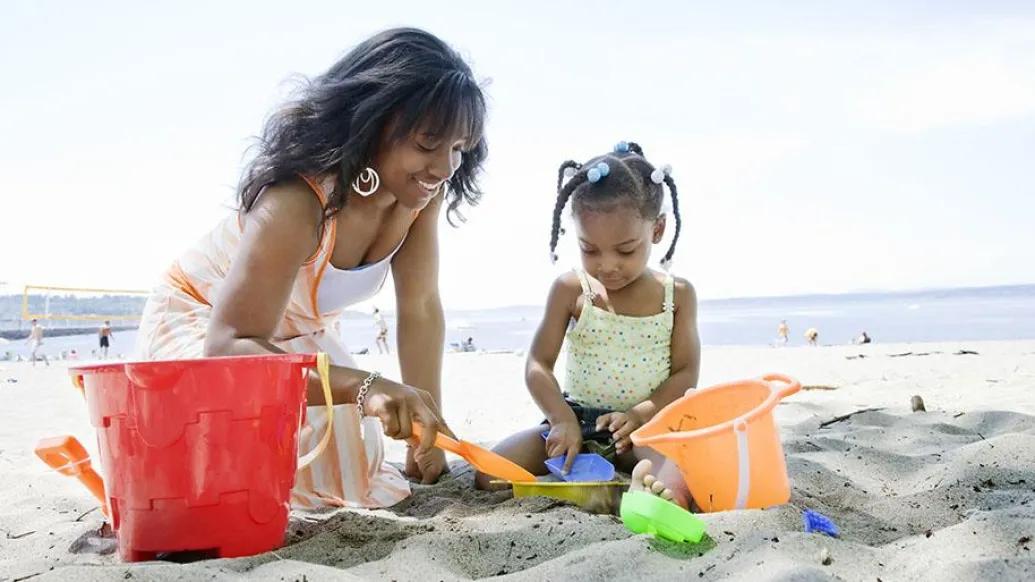
The months of May, June, July, and August are the most dangerous months for kids, with injuries and deaths peaking in July. You can help prevent your kids from getting injured this spring and summer by supervising them and insisting they use appropriate protective gear in all their activities. Remember, choose prevention over a trip to the emergency room.
- The American Academy of Pediatrics (AAP) has great spring and summer safety tips that cover all the bases. Check them out:
- Is Your Child Ready to Stay Home Alone? (tips on what your child should know before they stay home alone)
- Staying Safe Outdoors (tips on safety with fireworks, bugs, playgrounds, bicycles, skateboards, scooters, in-skates, and Heelys, all-terrain vehicles and lawn mowers)
- Swim Safety Tips (Pool safety, boating safety and open water swimming safety)
- Water Safety for Teens(tips for keeping your teen safe in and around the water)
- Drowning Prevention for Curious Toddlers: What Parents Need to Know (safety rules)
- Be familiar with the signs of heat illness —heat cramps, heat exhaustion and heatstroke.
- Be sure to use sunscreen to help prevent sunburns and reduce the risk of skin cancer.
- Biking is a great form of exercise in the summer but follow these tips on bike safety.
- Spring and summer safety videos from the AAP:
Reviewed by Debra Langlois, MD
Updated January 2020

Health Lab
Explore thousands of health news & research stories by visiting the Health Lab homepage for more.
Media Contact

Public Relations
Department of Communication at Michigan Medicine
Stay Informed
Want top health & research news weekly? Sign up for Health Lab’s newsletters today!
Featured News & Stories

Health Lab
Safe sleep for babies
Each year, thousands of babies in the United States die while sleeping, often due to sudden infant death syndrome, suffocation or strangulation. Learn how you can reduce these risks...

Health Lab
Summer Camp
Most kids look forward to summer vacation as a time free of schedules and filled with days spent outdoors with friends. When thinking about summer camp, consider what your child can gain from a day camp, specialty camp or overnight camp...

Health Lab
Vaccine Safety
Routine childhood immunizations are a cornerstone of keeping your child healthy and are critical for public health as well...
Health Lab
PFAS Contamination
PFAS is an acronym that refers to per- and polyfluoroalkyl substances. PFAS are man-made chemicals that are widely used for their properties, such as being resistant to heat, water, and oil. Chances are, you’ve been exposed to some form of PFAS in your life...
Health Lab
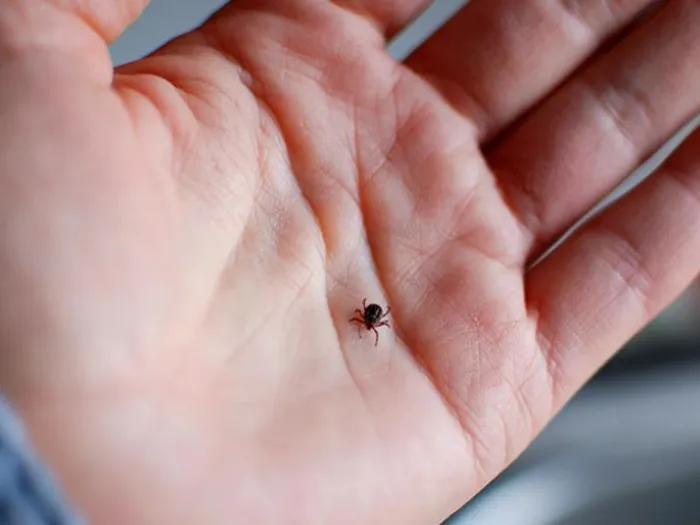
Ticks
Ticks are tiny, creepy, crawly bugs that need to feed on blood to survive. They can feed on mammals like humans, dogs, and deer, as well as birds, reptiles and amphibians...
Health Lab
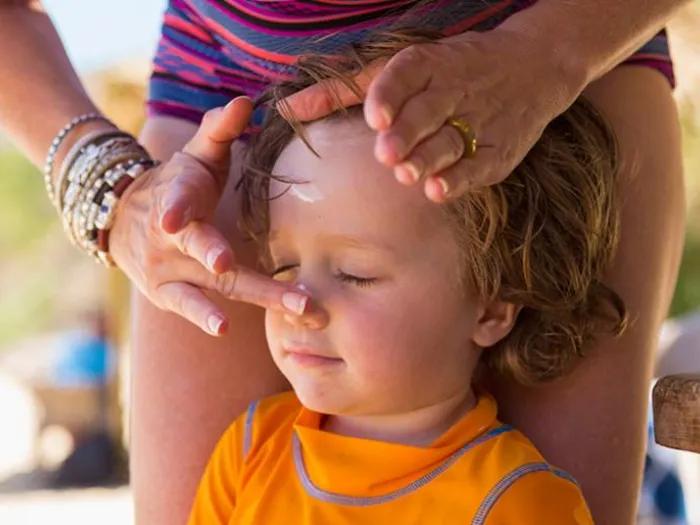
Sunscreen and Sun Safety
Sunshine and time spent outdoors are part of a full, active childhood. Too much sunshine (and sunburns), however, can cause be dangerous for you and your child. Keep these tips in mind to protect your child from the sun...
