Corneal Transplant Surgery
Corneal Transplant Surgery
What is corneal transplant surgery?
In corneal transplant surgery, the scarred or damaged cornea is removed and replaced by a human donor cornea called a graft. Your eye is the recipient eye because it receives the graft. The other person’s cornea is the donor cornea or donor tissue because the cornea is being donated or given to you.
Some 46,000 people in the U.S. have corneal transplants each year. This is a sight-saving surgery, but it also requires patients and ophthalmologists to work closely together to ensure the success of the surgery. This information will help you and your family understand corneal transplant surgery and explain what you need to know during the recovery period.
Appointment Information
To reach a Kellogg ophthalmologist during business hours (Monday to Friday, 8 am to 5 pm), please call 734-764-4190. After business hours, please call 734-936-6267.
What can I expect with corneal transplant surgery?
Corneal transplants are performed on an outpatient basis under local anesthesia. The surgeon performs the surgery while looking at the eye through a microscope. A cookie cutter-like knife called a trephine is used to cut and remove a circular piece from the recipient’s diseased cornea. A similar knife is used to cut and remove a piece from the donor cornea. The donor cornea then is placed where the recipient’s cornea was removed. In these cases the cornea is sewn into place with very fine sutures which are smaller in diameter than a human hair.
In some situations, your surgeon may be transplanting only part of the corneal thickness. When only the front part is transplanted, it is called anterior lamellar keratoplasty. When only the back part is transplanted, it is called endothelial keratoplasty. Some variations of endothelial keratoplasty include DSEK (Descemet’s stripping endothelial keratoplasty) and DMEK (Descemet’s membrane endothelial keratoplasty).
An eye bank provides the donor tissue for corneal transplant surgery. The corneas are obtained from deceased individuals who arranged for donation prior to their death or whose families gave permission. Many eye banks are supported by Gift of Sight Ambassadors, volunteer groups composed of corneal transplant recipients and family members of eye tissue donors. These ambassadors help increase awareness about eye tissue donation and corneal transplantation by sharing their personal experiences as well as describing the difference the procedure has made in their lives.
The normal cornea does not have any blood vessels. It is thought that this lack of blood vessels may prevent the body from recognizing the “foreign” donor cornea. Ongoing research studies in compatibility testing between donor and recipient may lead to ways of increasing the chance of a successful outcome in situations with higher risk of transplant rejection.
Race, sex, blood type, eye color, and near- and farsightedness are not considered in selecting the donor because they do not affect the outcome of the corneal transplant surgery. Donor corneas can be safely stored in refrigerated fluid for several days, improving the chances of successful surgery and allowing for better planning and timing of surgery.
What can I expect after corneal transplant surgery?
Eventually, most of the donor tissue is replaced by your own cells. Because of the cornea’s lack of blood supply, healing takes place very slowly. You will be asked to wear your eye shield for a few weeks. Sutures may not be removed for months. They are removed easily in the office. Restoration of vision after corneal transplant surgery is gradual. The vision in the operated eye will be somewhat blurred and distorted until final glasses or contact lenses are prescribed.
There are things you can do to help ensure the success of the surgery. It is especially important to avoid situations in which you might sustain trauma to the operated eye. This could damage or loosen the new cornea. In addition, you will need to use eye medications for many months or years and have regular check-ups with your ophthalmologist. Failure to follow the schedules for medications and examinations could greatly decrease the chance of a successful surgery.
Possible Complications
There always is a possibility that the body will reject the graft. This is like an “allergic” reaction of the body against the donor cornea. It can occur any time after the surgery. There is a good chance this can be treated successfully if you act immediately. There are four danger signs you must know. If any of these occur and last for more than 12 hours, you should call your ophthalmologist – even if it is a weekend or a holiday.
To remember the signs of graft rejection, remember the letters RSVP:
- Redness
- Sensitivity to light
- Vision changes
- Pain
Make a habit of checking your eye every day. Check your vision at about the same time and in the same lighting each day, perhaps at the same time you do another routine activity, such as brushing your teeth.
Redness
For a few weeks after surgery, your eye may be red. If at any time your eye begins to get redder, you should call your ophthalmologist. You can easily check the redness of your eye by looking into a mirror and pulling down the lower lid. Look carefully at the white part of the eye, especially in the area next to the cornea.
Sensitivity to light
Bright lights may seem irritating to your eye after surgery. This, too, slowly should get better. If you notice your eye becoming so sensitive to light that you feel like covering it, you should call your ophthalmologist.
Vision changes
Your vision most likely will improve gradually after your surgery. Make a habit of checking your vision every day. Check it at about the same time and in the same light. Pick an object in your house that has some pattern or detail to it. Look at the object with your operated eye while covering the other eye with your hand. If your vision seems to be getting worse, you should call your ophthalmologist.
Pain
It is normal to have occasional small twinges of pain in your eye. If your eye develops constant pain or dull aching, you should call your ophthalmologist.
Wound separation
A small gap may occur in the area where the edge of the graft is sewn into the eye. You may have no symptoms at all or you may feel a dull ache. The wound separation might be treated with a patch or a soft contact lens. It is possible the graft may require additional suturing in the operating room.
Loose or broken suture
Occasionally, a suture can loosen or break during the healing process. This may cause a “gritty” foreign body sensation, especially when you blink. The loose suture can be removed easily in the office.
Astigmatism
This occurs when the grafted cornea has an oblong or irregular shape rather than a round shape. All grafts have some astigmatism and this usually can be corrected with glasses or contact lenses. If the astigmatism is severe, a special kind of surgery may correct it.
Frequently Asked Questions
You will be in the operating room for 1-2 hours, but the actual surgery will take less time
Following surgery, your eye most likely will be red, irritated, and sensitive to light. You may experience increased tearing and a slight discharge. Discomfort usually is controlled with Tylenol or another brand of acetaminophen during the first few days after surgery.
Your eye will be covered with a patch and a metal shield the day of surgery. Your glasses may not fit over the patch and shield. Your surgeon most likely will remove the patch and shield at your follow-up appointment the next day. You must wear the shield over your eye while sleeping for some time after surgery.
Most people will have sutures, although you probably will not be aware of them. Some sutures may be removed as early as one month after surgery. Others may remain for years.
You will need to use eye drops and sometimes eye ointment to quiet inflammation and prevent graft rejection.
Your nurse and surgeon will talk to you about activity restrictions. You should avoid any activities that could involve a direct blow to the eye, such as contact sports.
Vision usually is blurred after surgery. It gradually improves as healing takes place. As the eye heals and the sutures are removed, the shape of the cornea changes. Therefore, your surgeon usually will wait between 3 and 12 months before prescribing a new lens for your glasses. If needed, a contact lens may be prescribed.
If the vision in your other eye is adequate for driving, you may drive after the anesthetic has completely worn off. This may take up to 24 hours. Your surgeon may recommend you wait several days before driving. Remember, you must have someone to drive you home from the hospital as well as someone to bring you back the next day for your follow-up visit.
This depends on your work activities, your comfort, and your vision. Some patients with desk jobs can return to work within a few days. Other people can be off work for a few weeks.
The risk of corneal transplant rejection is low. However, it is possible to have a rejection at any time – even many years after your transplant surgery – and it is important to know the signs of rejection. A corneal transplant can be repeated, usually with good results. However, the overall rejection rates for repeated transplants are slightly higher than for the first transplant.
Information about the donor is confidential, but you may write the family and send the letter to the Eversight Michigan. They will forward it to the family.
Eversight Michigan
4889 Venture Drive
Ann Arbor, MI 48108
Phone: 734-780-2100
Toll-free in the U.S.: 800-247-7250
Email: [email protected]
Kellogg Eye Center Cornea Clinic
1000 Wall Street
Ann Arbor, MI 48105
Phone: 734-764-5106
Locations
-
Cornea & Refractive Surgery Clinic | Kellogg Eye Center 1000 Wall St
Elevator B Floor 3
Ann Arbor, MI 48105-1912Get Directions -
Ophthalmology Clinic | Kellogg Eye Center-Grand Blanc 3181 E Grand Blanc Rd
Grand Blanc, MI 48439-2709Get Directions -
Ophthalmology Clinic | Northville Health Center 39901 Traditions Dr
Floor 2
Northville, MI 48168-9493Get Directions -
Ophthalmology Clinic | West Ann Arbor Health Center-Parkland Plaza 380 Parkland Plaza Ste 210
Floor 2
Ann Arbor, MI 48103-6201Get Directions
Doctors
Theresa M Cooney, MD
Clinical Associate Professor
Ophthalmology

Pauline Dmitriev, MD
Clinical Assistant Professor
Ophthalmology
Farida Esaa Hakim, MD
Clinical Assistant Professor
Ophthalmology

Christopher Thomas Hood, MD
Clinical Associate Professor
Ophthalmology
Shahzad Ihsan Mian, MD
Professor
Ophthalmology
Nambi Nallasamy, MD
Assistant Professor
Ophthalmology

Roni Mintz Shtein, MD, MS
Associate Professor
Ophthalmology

Hunson Kaz Soong, MD
Professor Emeritus
Ophthalmology
Alan Sugar, MD
Professor Emeritus
Ophthalmology

Angela Joy Verkade, MD
Clinical Assistant Professor
Ophthalmology

News & Stories
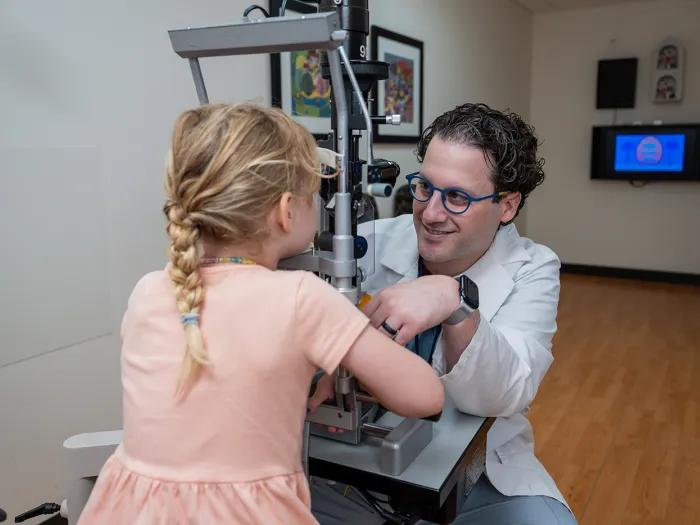
Innovative children’s vision research gets a boost from the Knights Templar Eye Foundation

Nerf gun accident causes retinal detachment in pediatric patient

Kellogg care inspires gift to vision research

Mediterranean diet can slow progression of age-related macular degeneration
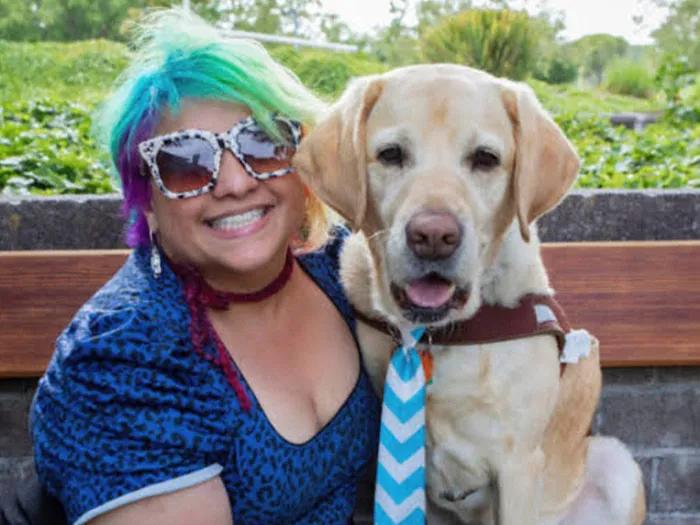
Patient with retinitis pigmentosa receives new hope at Kellogg’s low vision clinic