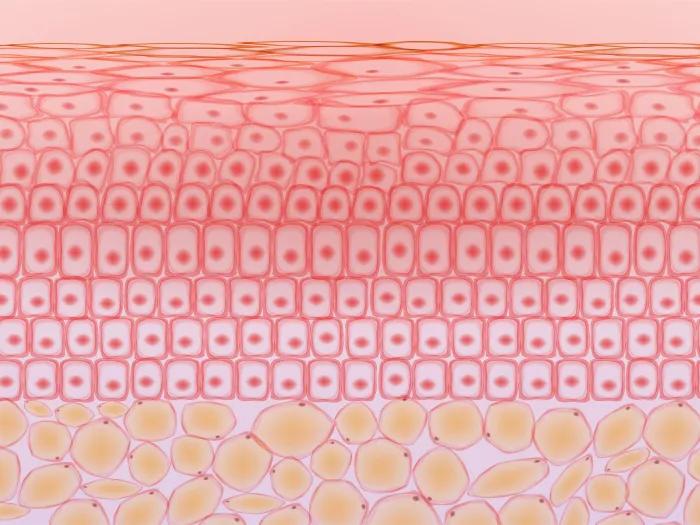
Six U-M medical research teams picked for virtual science tournament
From lab research on diabetes, aortic aneurysms and ALS to data on veteran suicide, Medicaid policy impacts and HIV in newborns, they’re competing in STAT Madness
2:00 PM
Author |

Updated multiple times as successive rounds began.
March means tournament time for the University of Michigan – not just for the basketball teams, but for the medical scientists too. And U-M scientific teams have just made the grade again, for the tenth year in a row.
Six teams led by U-M biomedical researchers have made the bracket of 64 teams from around the country in a national virtual tournament of science run by the STAT health news organization. Called STAT Madness, it raises awareness of major advances in medical research published in 2025, and gives the public a chance to vote for their favorite teams throughout March.
Voting in the first round began March 2. The winners of each matchup advanced to the next round, and by early April the final two teams will face off for the prize of being featured in a STAT article.
But the real prize for all the competitors is a chance to show the importance of research that can improve understanding of human health and the delivery of health care. It also shines a spotlight on the crucial role of the federal funding that makes most of that research possible.
Here are the six U-M studies that made the bracket this year:
Aortic aneurysms and triglycerides:
Published in the journal Circulation, and competing under the Frankel Cardiovascular Center banner, this study showed for the first time the key role of high blood triglyceride level in the formation of aortic aneurysms – and the impact of a drug candidate that lowers both triglycerides and aneurysm risk. Learn more about the pre-clinical finding here. Update: This team made it through to the championship round. Voting ends April 6 at 9 p.m. ET.
ALS blood biomarkers:
Competing under the Michigan Medicine team banner is a team whose work published in Nature Communications shows promise for developing blood tests that could speed the diagnosis, and predict the course, of amyotrophic lateral sclerosis, also called ALS or Lou Gehrig’s disease. Read more about the findings here. Update: This team made it to the "Sweet Sixteen" round.
Mitochondria damage and diabetes:
Competing on behalf of the Caswell Diabetes Center, a team whose work published in Science showed the crucial role of mitochondria in beta cells, which produce insulin in the pancreas – and the role of damage to mitochondria in diabetes. Read more about the discovery here.
Medicaid interruptions and young people with chronic disease:
The first of two competitors listed under C.S. Mott Children’s Hospital, this study published in Pediatrics is especially timely because of Medicaid changes on the horizon across the country. It shows how policy changes can disrupt access to medications that children and young adults take to treat chronic diseases. Find out more here.
Missed chances to prevent HIV transmission at birth:
The second Mott Hospital entry found that some babies born to women with HIV in the United States are missing out on the chance to receive medications at birth that could reduce their risk of infection. Published in Pediatrics, it points out missed detection of HIV in pregnancy. Read more about the study here. Update: This team made it through to the second round of the tournament.
Predicting veteran suicide risk:
This study, published in JAMA Network Open by a U-M/Veterans Affairs team, used data from a nationwide VA veteran suicide prevention program to identify the factors most linked to suicide deaths, so that more effort can be made to reduce the toll. The paper is competing under the name of the Eisenberg Family Depression Center. Explore the findings, and their implications, here.
Want to support U-M scientists throughout the tournament? Sign up on the STAT Madness bracket site to get alerted when every new round of voting begins.
Media Contact

Public Relations
Department of Communication at Michigan Medicine
Featured News & Stories
Pain, psychological factors and physical function closely linked in people with systemic sclerosis

Many hospitals still don’t do enough to prevent UTIs from catheters

15 years of data will help uncover how flu spreads—and how to reduce its impact
$3.9 million NIH grant to fuel U-M effort to develop first targeted therapy for fatal childhood brain disorder

What’s changing in Medicaid and what can you do?