U-M Regents approve Michigan Medicine leadership changes

9:00 AM

A collage of multiple buildings that are part of Michigan Medicine's statewide network

The University of Michigan Board of Regents approved two leadership appointments for Michigan Medicine Sept. 17 in advance of the previously announced departure of David Miller, Chief Executive Officer of Michigan Medicine and Executive Vice President for Medical Affairs at the University of Michigan.
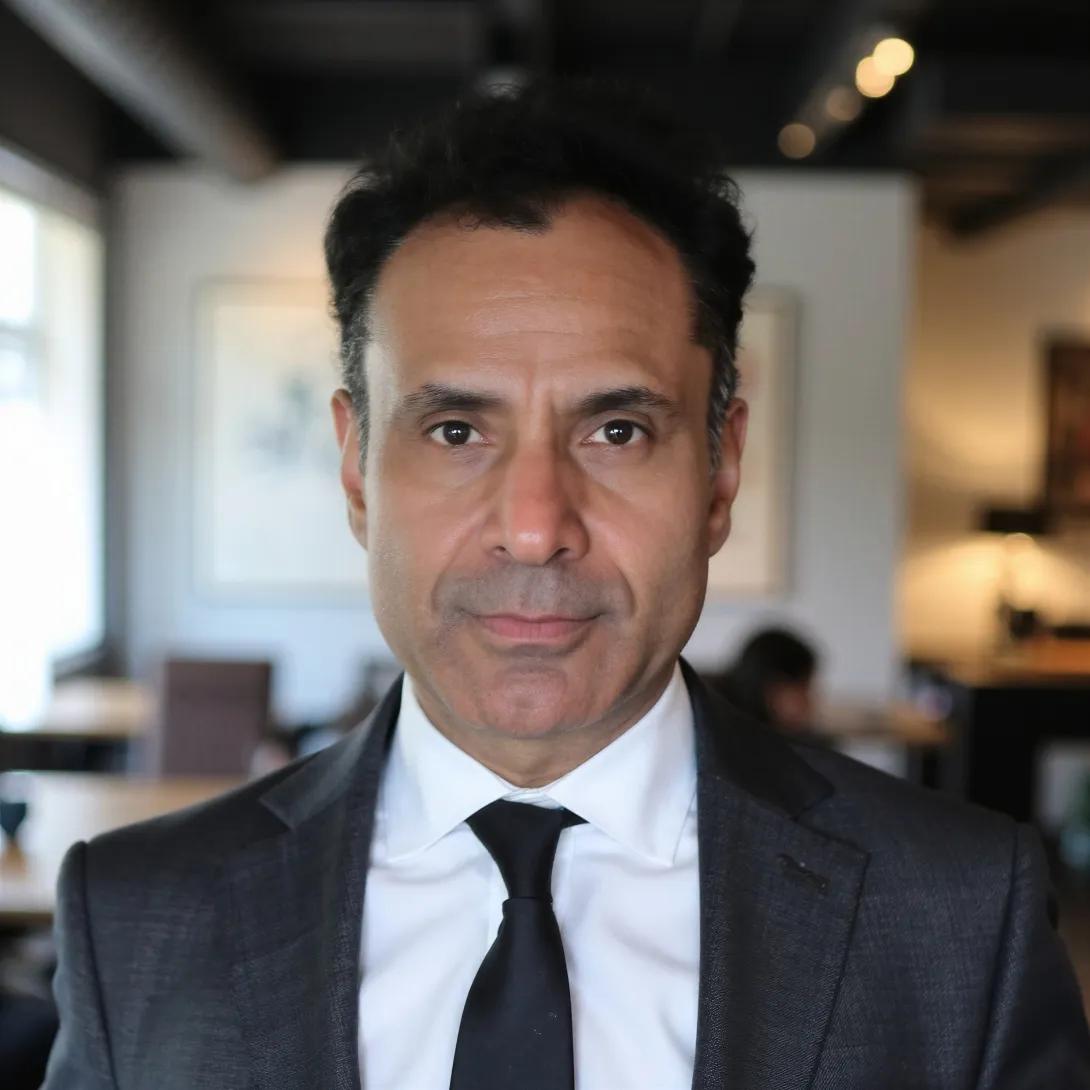
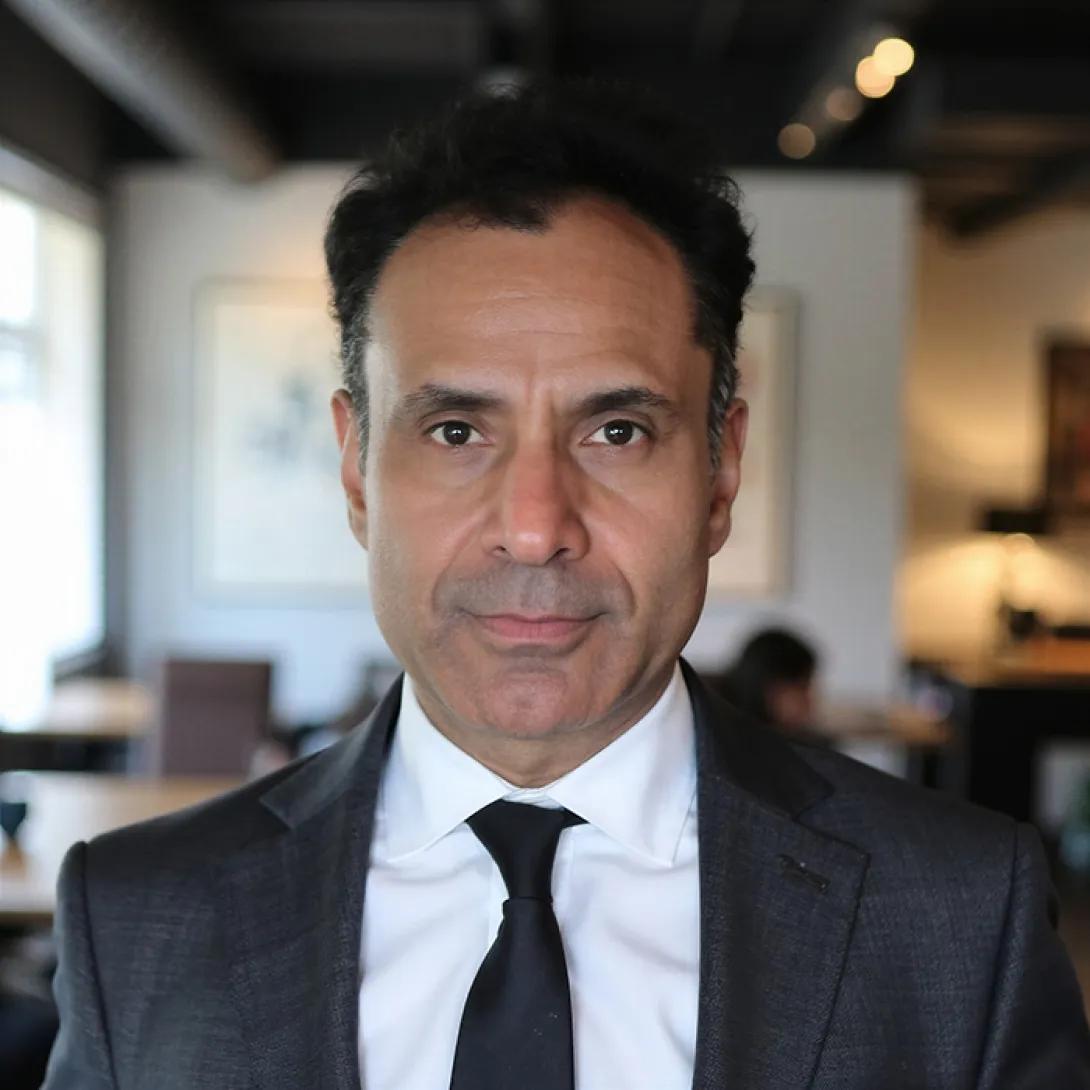
Headshot of Ganesh Palapattu, M.D., wearing white shirt, black tie and blazer
Ganesh S. Palapattu

Ganesh S. Palapattu, M.D., F.A.C.S., F.R.C.S., the George F. and Sandy G. Valassis Professor and Chair of the Department of Urology, will now serve as Interim Executive Vice President for Medical Affairs and Chief Executive Officer of Michigan Medicine while the university conducts a national search for a permanent leader.

Headshot of Julie Ishak, standing with arms crossed on white background wearing black dress with short sleeves
Julie Ishak

Additionally, Julie Ishak, D.N.P., R.N., N.P.-B.C., C.E.N.P., currently Chief Nurse and Operations Executive for U-M Health’s Academic Medical Center (AMC), will serve as President of the AMC, a position being re-established to oversee its strategy and operations.

Both appointments will take effect Sept. 18. Miller will remain with Michigan Medicine through Oct. 2 to help ensure a smooth transition.


Palapattu brings more than a decade of leadership experience at Michigan Medicine to the interim role. In addition to serving as chair of the Department of Urology, he previously served as chief of urologic oncology.

“Ganesh is an established leader at Michigan Medicine with a strong commitment to clinical excellence, academic leadership and collaboration across our missions,” Grasso said. “He understands both the opportunities and responsibilities that come with leading a complex academic health system and is well prepared to provide steady leadership during this transition.”

Palapattu has indicated he intends to serve only in an interim capacity and will not be a candidate for the permanent position. Grasso said U-M will launch a national search for its next executive vice president for medical affairs and CEO of Michigan Medicine in the coming weeks.

Ishak currently serves as chief nurse and operations executive for the academic medical center, and brings more than two decades of experience as both a board- certified nurse practitioner and healthcare administration leader. She has held executive leadership roles across the continuum of care in both academic and community health systems prior to joining Michigan Medicine in 2019.

“Julie brings tremendous clinical and operational experience to this role, along with a collaborative approach to leadership,” Grasso said. “Her commitment to clinical and administrative excellence and her deep understanding of the Academic Medical Center will be important as we strengthen the AMC and position it for the future.”


More Articles About:

administration Leadership nursing Urology

Media Contact

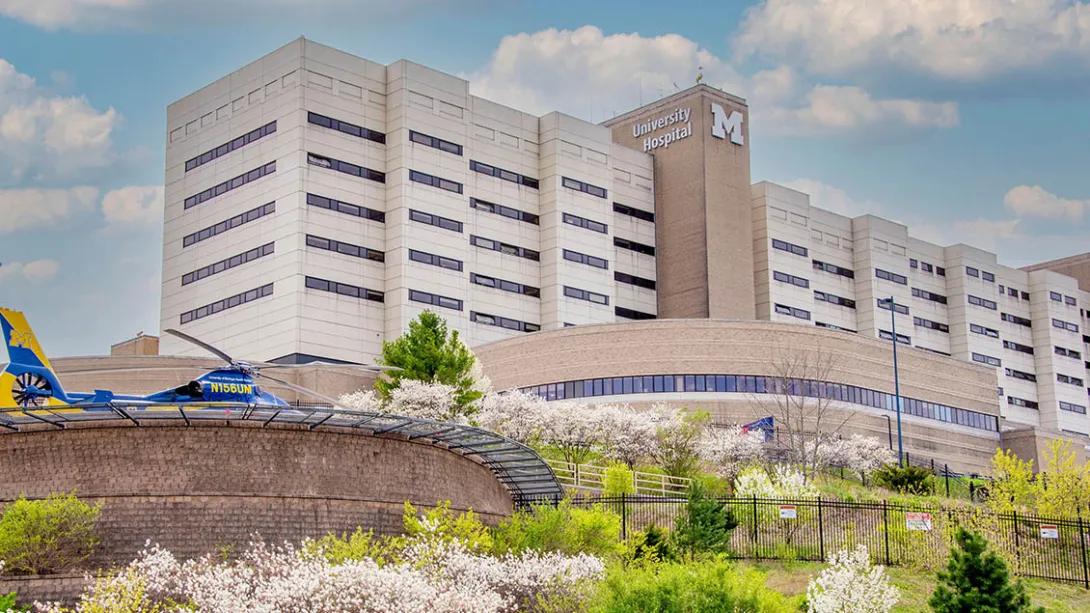
University Hospital at U-M Health in the spring with flowering trees in foreground and Survival Flight helicopter visible

Public Relations

Department of Communication at Michigan Medicine

[email protected]

734-764-2220

In This Story

Ganesh Palapattu

Ganesh S. Palapattu, MD, FACS, FRCS

Interim CEO, Michigan Medicine
Interim Executive Vice President for Medical Affairs, University of Michigan
George F. and Sandy G. Valassis Professor and Chair, Department of Urology

Julie Ishak head and shoulders

Julie Ishak, DNP, RN, NP-BC, CENP

President, University of Michigan Health Academic Medical Center

Related
A collage of multiple buildings that are part of Michigan Medicine's statewide network
News Release

David Miller to lead Vanderbilt Health after distinguished service at Michigan Medicine

Physician executive and longtime Michigan Medicine leader will become President and CEO of Vanderbilt Health and Dean of Vanderbilt University School of Medicine
Aerial view of the U-M medical campus
News Release

Michigan Medicine names Julie Ishak chief nurse and operations executive

Julie Ishak, M.S.N., R.N., NP-BC, University of Michigan Health’s top nursing executive, has been appointed chief nurse and operations executive for Michigan Medicine’s academic medical center, effective December 1.

Featured News & Stories

Minding Memory with a microphone and a shadow of a microphone on a blue background
Minding Memory

Antipsychotic Use in Nursing Homes: Balancing Medication Safety, Policy, and Dementia Care
In this episode, Lauren Gerlach and Matt Davis speak with Theresa Shireman, PhD, Director of the Center for Gerontology and Healthcare Research and a Professor of Health Services, Policy and Practice and Epidemiology at the Brown University School of Public Health. Dr. Shireman’s research focuses on pharmaceutical policy, pharmacoepidemiology, health services research, and medication use among vulnerable populations. Dr. Shireman discusses her recent study, "Impact of Federal Antipsychotic Use Policy in Nursing Homes on New Diagnoses for Approved Indications in Dementia Residents," published in the Journal of the American Geriatrics Society. The study examines whether federal policies designed to reduce antipsychotic use in nursing homes were associated with increases in new diagnoses of conditions, such as schizophrenia, that exclude residents from publicly report antipsychotic quality measures. Using an interrupted time-series design, the researchers examined changes following the 2012 National Partnership to Improve Dementia Care and the 2015 addition of antipsychotic use to the Nursing home Five-Star Quality Rating System. They found that neither policy was associated with an increase in new exclusionary diagnossees, challenging concerns that nursing homes were increasingly assigning these diagnoses to circumvent restrictions on antipsychotic use. The conversation also explores the benefits and risks of antipsychotic medications for people living with dementia, including the potential for serious adverse effects such as sedation, falls, stroke, and increased mortality. Dr. Shireman discusses how public reporting and financial incentives can influence prescribing practices,the limitations of using a single quality measure to evaluate nursing home care, and the importance of balancing medication safety and residents’ individual needs. The discussion highlights the need for shared decision-making among clinicians, nursing home staff, residents, and families, as well as greater investment in staffing, resources, and nonpharmacological approaches to improve quality of life for people living with dementia. The transcript for this episode can be found here.
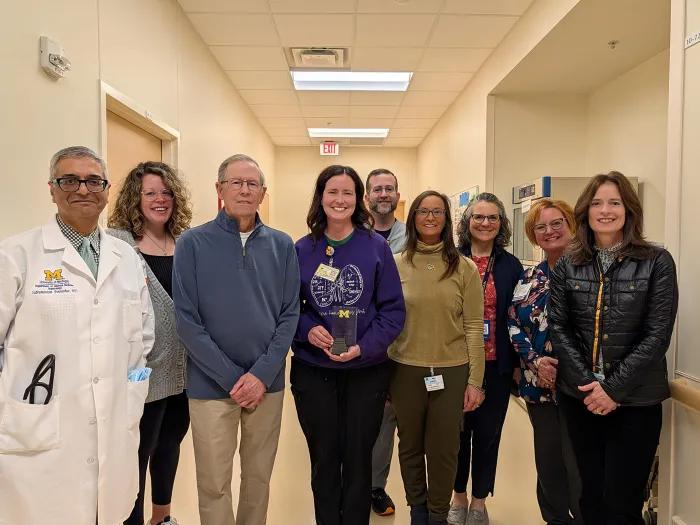
Members of the nephrology care team and Coulson family at the recent awards ceremony.
Philanthropy News

Family’s gift honors wife and mother, supports nephrology nurses

The Coulson family is honoring Barbara Coulson's memory by recognizing exceptional dialysis nurses and investing in professional development that will strengthen patient care.
Catheterized hospital patient's leg
Health Lab

Many hospitals still don’t do enough to prevent UTIs from catheters

Urinary catheters used by hospitals can lead to UTIs, bladder infections and bloodstream infections, yet hospital infection prevention efforts lag even after 20 years of effort.
Minding Memory with a microphone and a shadow of a microphone on a blue background
Minding Memory

The Care Ecosystem: Supporting People Living with Dementia and Their Families

Welcome back to Season 6 of Minding Memory! In this episode, Lauren & Matt speak with Dr. Katherine (Kate) Possin, who holds the John Douglas French Alzheimer’s Foundation Professorship at the University of California, San Francisco Fein Memory & Aging Center. Dr. Possin talks about the Care Ecosystem, a telephone and web-based model that provides ongoing education, support, care planning, and coordination for people living with dementia and their care partners. They’ll dig into how the Care Ecosystem was developed, and what studies have shown about its impact on people living with dementia.
News Release

U-M Board of Regents names C. Cybele Raver as choice for 17th president

U-M Board of Regents names C. Cybele Raver as choice to become University of Michigan president
Aerial view of the U-M medical campus
News Release

University of Michigan Professional Nurse Council ratifies contract with University of Michigan Health 

Nurses represented by the University of Michigan Professional Nurse Council (UMPNC) ratified a tentative, three-year agreement with the University of Michigan Health.