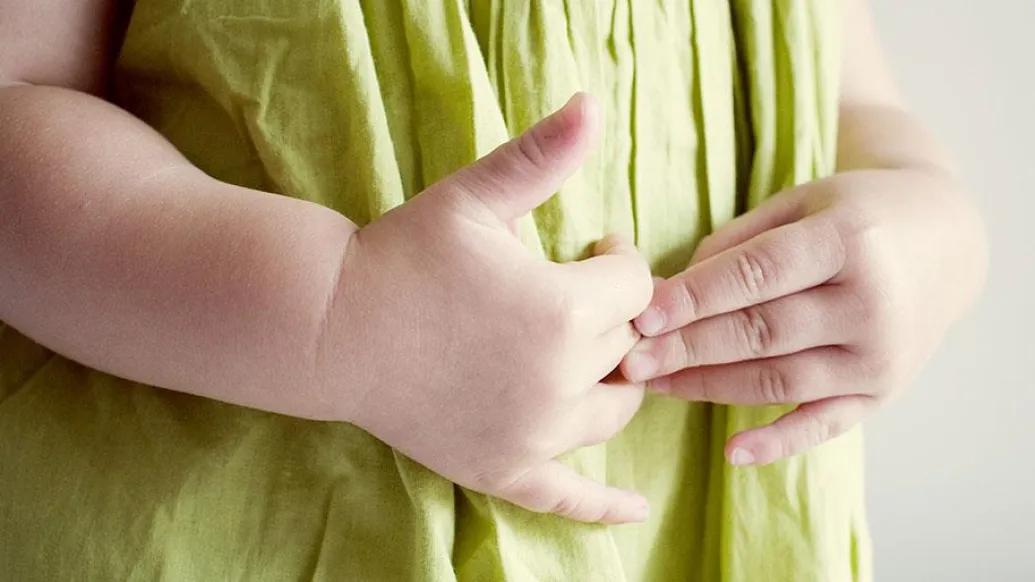
Healthy young children can have diarrhea that is not related to infection and/or underlying disease, called toddler’s diarrhea, or non-specific diarrhea of childhood. Toddler’s diarrhea typically occurs in children aged 6 months to 5 years, and is most common among children 2–4 years old. Stools may be loose or watery and frequent, occurring more than three times a day. Usually, diarrhea occurs during the day, but up to 25 percent of kids with toddler’s diarrhea pass stool at night as well. The stool may look brown, green, or yellow, and may contain undigested food pieces. A child with toddler’s diarrhea typically does NOT have abdominal pain, vomiting, weight loss, or poor weight gain.
Causes of toddler’s diarrhea
Food and fluid may move more quickly through a child’s intestinal tract so that there is less time for the intestines to absorb bile, water, and sugars back into the blood vessels from the intestinal surface. Excess bile in the stool may give it a yellow or green appearance. Excess water and undigested sugar in the intestines leads to loose, frequent stools. Foods high in indigestible fiber like vegetables and fruits may appear “whole” or undigested in the stools. Bacteria in the large intestine feed on the excess undigested sugars, creating more fluid and gas as a by-product. This also contributes to loose or “explosive” stools and gassiness.
Young children are often picky eaters, preferring foods that are high in sugars. Having a diet high in certain sugars can cause or contribute to toddler’s diarrhea.
How do I know if my child has toddler’s diarrhea?
Make an appointment to see your pediatrician if your child has frequent loose stools lasting more than a couple of weeks. Before the appointment, consider keeping a written log of your child’s stool patterns for at least one week. Each day, write down the frequency and consistency of your child’s bowel movements as well as a diary of the types of foods and drinks he or she consumes. This will help your doctor make the diagnosis of toddler’s diarrhea or decide if further evaluation is needed to look for other causes of diarrhea. Remember, if the diagnosis of toddler’s diarrhea is made after consulting with your pediatrician, this is not considered a disease, but rather a harmless condition of childhood. The vast majority of children outgrow toddler’s diarrhea with time and/or by following dietary interventions.
If a child has blood in the stool, vomiting, poor weight gain or weight loss, abdominal pain, refusal to eat/drink, or fever, call your doctor to discuss being seen sooner. These “red flag” symptoms indicate that something more serious than toddler’s diarrhea is going on and further evaluation and/or treatment may be needed.
Tips to help with toddler’s diarrhea
- Avoid prune, pear, and apple juice, which are high in the indigestible sugar called sorbitol.
- Avoid foods and drinks that contain high fructose corn syrup.
- Limit all juice intake to less than 4 ounces per day. Have water or milk to drink instead.
- Avoid foods with artificial sweeteners (may be labeled “diet” or “light”).
- Make sure the diet includes healthy fats, such as nuts or nut butters, eggs, dairy fat, and plant-based oils.
- If your child has skin irritation on his or her bottom due to frequent loose stools, clean the skin with lukewarm water, use a zinc oxide-based diaper ointment and allow your child to have time diaper-free with the skin exposed to air if/when possible.
Written by Haley Neef, MD
Updated January 2020

Health Lab
Explore thousands of health news & research stories by visiting the Health Lab homepage for more.
Media Contact
Public Relations
Department of Communication at Michigan Medicine
Stay Informed
Want top health & research news weekly? Sign up for Health Lab’s newsletters today!
Featured News & Stories
Croup

Sore Throat (Pharyngitis)
Vomiting and diarrhea in kids: symptoms, treatment and concerns
Stomachache

Headaches