For rural firearm owners, Store Safely program offers options to enhance secure firearm storage
The online program provides specific tools and resources to help prevent injuries and firearm misuse among kids and teenagers
5:00 AM
Author |
This story was originally published by Michigan News.
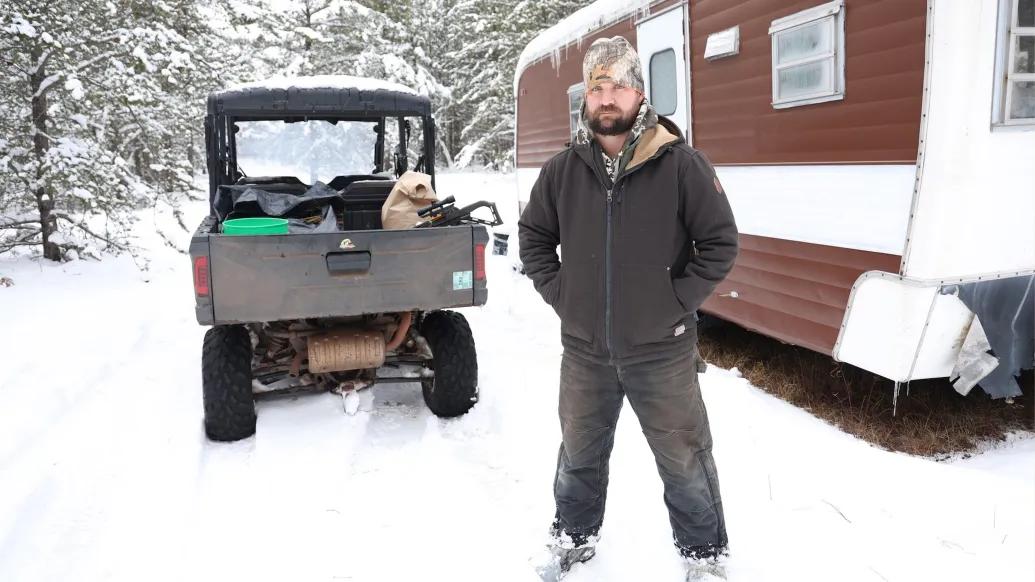
Dustin Milner, a local outdoorsman, has fond memories of visiting Little Lake in the heart of the Upper Peninsula with his family for hunting season every fall.
They’d sit in a camper, tell hunting stories and enjoy the time together in their home away from home.
And everyone knew from childhood about how to behave around firearms.
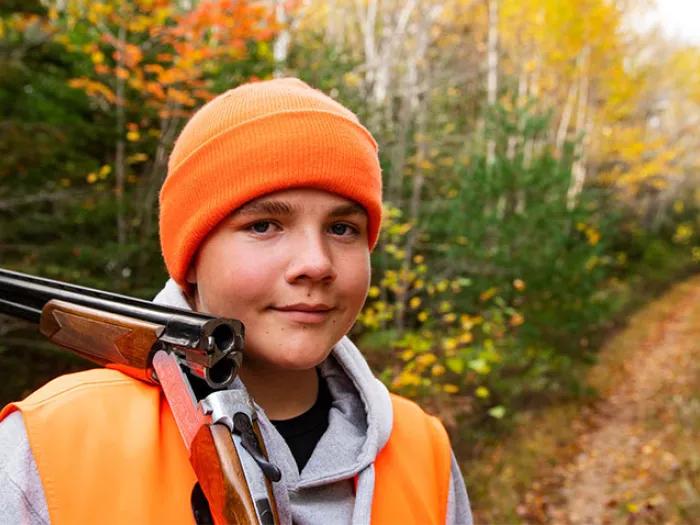
In rural areas across Michigan, residents have long owned firearms for hunting and to protect themselves and their homes, and there’s a distinct culture around it.
“My kids know that if there’s a firearm anywhere around, they don’t touch them. Most hunters around here that have kids teach them the same concept,” Milner said.
Research has found that children and teens from rural communities are at elevated risk for unintentional injury and suicide caused by firearms.
Firearm injury is the leading cause of death for youth in America.
And because firearm ownership is common across northern Michigan communities, Cynthia Ewell Foster, a University of Michigan clinical Professor of Psychiatry, began piloting a program to encourage secure storage of firearms several years ago in partnership with Sarah Derwin of the Marquette County Health Department.
They developed Store Safely—a five-step online program that provides tailored tools and resources so that families can help prevent injuries and firearm misuse among children and teens in rural areas.
Marquette County, with 66,000 residents, reported 56 suicide-related deaths—31 of which were caused by firearms—from 2017 to 2020.
Michigan’s Upper Peninsula has some of the highest rates of suicide in the state and this is driven by firearm suicides.
What Ewell Foster and Derwin learned from the pilot has had encouraging results. In an initial sample of 43 rural families:
- 98% reported engaging with all intervention components.
- 86% completed a home firearm safety checklist.
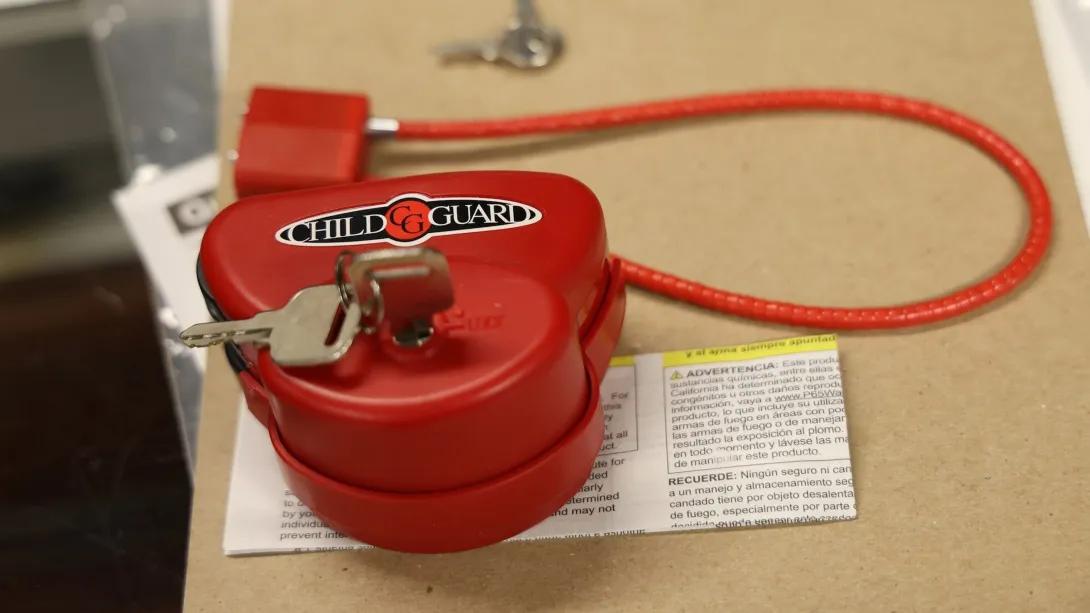
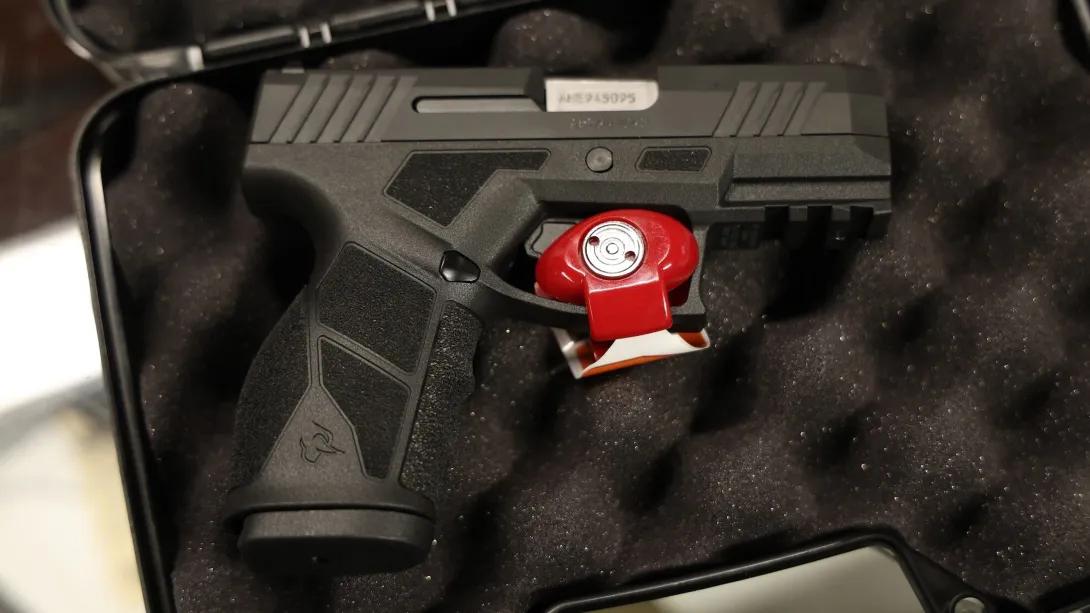
- 40% reported making a change to their storage such as purchasing gun locks, safes, or lockboxes; separating ammunition from weapons; reviewing the safety of current storage practices; and relocating firearms to a location harder to access by their children.
And 80% of the group thought Store Safely was culturally sensitive and would recommend the materials to other parents.
With few other interventions designed specifically for rural families, the program serves an important need as research suggests that secure firearm storage can reduce risk by 75%-80%.
Ewell Foster said the risk for children of death by firearm in rural areas is twice that of suburban and urban kids for a number of reasons—including firearms are more available in rural homes and kids are trained in safe handling and have the expertise to use them.
“It becomes more of an available means for kids when they’re not doing well,” Foster said. “And so I think that’s one of the things that our project Store Safely is really meant to focus on is making sure that when kids aren’t doing well, that they don’t have easy access to such a lethal way to end their lives.”
Trusted messages and messengers
Health care providers often offer well-meaning messages that the safest home for a child is one without guns.
“And I understand why they’re saying that. The data is actually pretty clear that when there are firearms in the home, there is elevated risk empirically,” Ewell Foster said.
“But for families that take safe handling really seriously, for families that take safe storage, really seriously, messages like that don’t land well.”
Their early research found that while firearm safety was a strong community value, just 12% said secure storage was a primary component of firearm safety.
Some had “nightstand” firearms for protection or expressed concerns about the need for quick access to firearms in an emergency.
The sense that growing up with and respecting firearms would protect youth from injury or death was pervasive among participants.
Those findings, along with feedback from interviews with multiple community members, inspired Ewell Foster and Derwin to develop the Store Safely intervention, along with a team of colleagues, including Cheryl King, Christina Magness and a team of collaborators from U-M’s Institute for Firearm Injury Prevention.
“Just having been born and raised here, I know the importance of hunting and firearms and gun ownership,” Derwin said.
“And that’s where the collaboration with the University of Michigan helped us create an intervention that really speaks to our community.”
Derwin stressed that the entire program was created with care and a lot of consideration for how it will be perceived by rural families.
“They can not feel judged or feel like someone is talking down to them. And my hope is that the more families that see it, the more families that are able to make some really doable changes that could increase safety in their home,” she said.
With funds from the Centers for Disease Control and Prevention, the Store Safely team is recruiting 600 families to participate in the intervention.
Families who live in Michigan’s Upper Peninsula, have a child under 18 at home and who have at least one firearm on their home or property are eligible to participate.
Interested families can complete this interest form or reach out to [email protected].
“And obviously talking about firearms sometimes can feel controversial or can feel like you’re invading someone’s privacy. So I’ve really tried to pull a lot of my community connections, trusted messengers that I know,” to distribute Store Safely to families across the UP, Derwin said.
“If it’s folks that work in law enforcement, they know me, they know my work and they know that we’re not trying to be restrictive.”
The project team also included an advisory board of 35 community members including representatives from the the Marquette County Suicide Prevention Alliance, health care, law enforcement, veteran navigators, local business leaders, school personnel, child welfare, juvenile justice and the region’s crisis center.
And while Milner locks his guns individually or puts them in locked gun cases, they aren’t laying around unless he’s in the process of cleaning them.
“We don’t see a lot of tomfoolery or shenanigans or idiocracy when it comes to guns up here,” he said.

Health Lab
Explore thousands of health news & research stories by visiting the Health Lab homepage for more.
Media Contact

Public Relations
Department of Communication at Michigan Medicine
In This Story

Cynthia J Ewell Foster, PhD
Clinical Professor
Related
New Michigan laws make storing firearms safely more important than ever
Tailored approach makes inroads in rural firearm safe storage
Stay Informed
Want top health & research news weekly? Sign up for Health Lab’s newsletters today!
Featured News & Stories

The AI is listening: Implications of machine generated clinical notes on health care
What’s the latest on 7-OH and kratom availability and addiction care?

Depression in OBGYN residents needs more attention, study suggests

Emergency room intervention pairs smartphone, telehealth counseling to reduce risky firearm behavior

Pain, psychological factors and physical function closely linked in people with systemic sclerosis