Processed foods may be fueling the rise in binge eating
Analysis shows highly processed foods aren't only common in binge-eating—they're nearly universal
5:00 AM
Author |
This story was originally published on Michigan News.
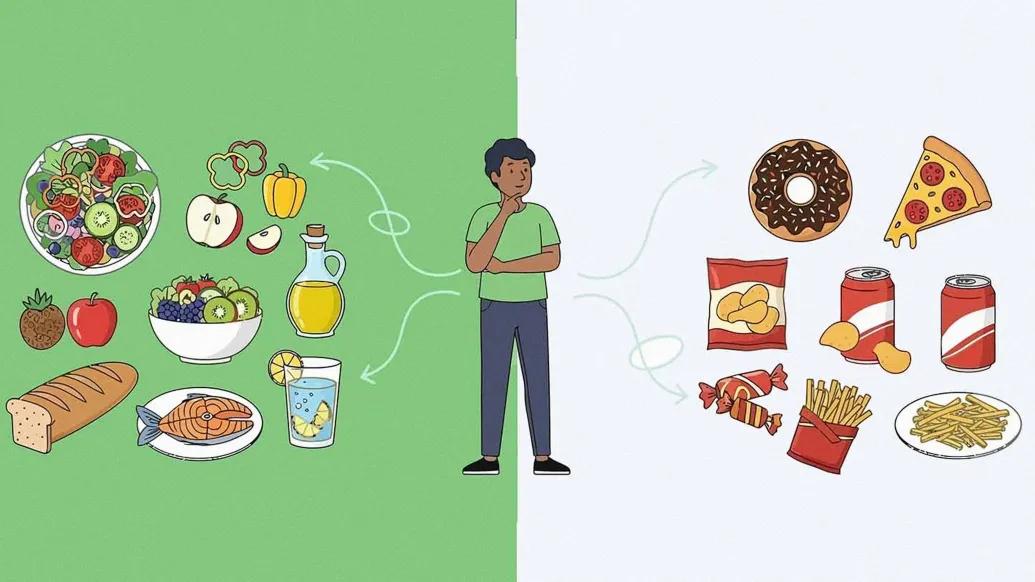
When people binge eat, it’s rarely broccoli or apples on the menu. Instead, foods like cake, cookies, ice cream and chocolate consistently show up—and a new University of Michigan study suggests that’s no coincidence.
An analysis of more than four decades of research reveals that highly processed foods are not just common in binge-eating episodes—they are nearly universal.
Understanding this pattern is critical, researchers say, because it could reshape how clinicians, families and policymakers approach prevention and treatment.
"These findings raise an important question: if the same types of foods keep showing up in binge episodes, we have to ask whether they are simply being over-consumed—or whether they are designed in ways that promote that pattern of use," said Ashley Gearhardt, Ph.D., is a Professor of Psychology in the Clinical Science area at the University of Michigan.
Other findings from the study, which was published in the International Journal of Eating Disorders:
- Across 50 years of research, binge episodes overwhelmingly involve highly processed foods: In the review of 41 studies spanning 1973 to 2023, about 70% of the foods reported during binge episodes were highly processed, while minimally processed foods made up only about 15%. It is extremely rare for people to binge on minimally processed foods alone.
- Binge eating emerged as a clinical problem at the same time highly processed foods took over the food supply: Binge eating did not begin appearing in the scientific literature until the 1970s—around the same time highly processed foods became increasingly dominant in the food environment. Yet, eating disorder research has rarely examined how the foods themselves might contribute to binge eating.
- The most common binge foods are highly processed products engineered to be especially rewarding: The same foods appear again and again over decades during binge episodes—cake, ice cream, cookies, chocolate, pastries, pizza and chips. These foods are typically highly processed and designed with ingredient combinations—such as refined carbohydrates and fats—that make them especially rewarding and easy to overconsume.
- The study highlights a major blind spot in eating disorder research. For decades, binge eating has been studied primarily as a psychological or behavioral problem, with far less attention to the foods themselves. The findings suggest the nature of the foods consumed may be an important piece of the puzzle, particularly in environments where highly processed foods are widely available.
The study’s authors include Ingrid Worth, U-M research technician and lead author; Tera Fazzino, psychology professor, University of Kansas; Kendrin Sonneville, associate professor of nutritional sciences, U-M; Kelly Klump, professor of clinical science, Michigan State University; and Ashley Gearhardt, U-M professor of psychology.

Health Lab
Explore thousands of health news & research stories by visiting the Health Lab homepage for more.
Media Contact

Public Relations
Department of Communication at Michigan Medicine
Stay Informed
Want top health & research news weekly? Sign up for Health Lab’s newsletters today!
Featured News & Stories

Many older adults make Medicare decisions quickly and most don’t change plans, poll finds

What’s the latest on 7-OH and kratom availability and addiction care?

A metabolic “switch” that could help reset scar-producing cells in scleroderma

Depression in OBGYN residents needs more attention, study suggests

Emergency room intervention pairs smartphone, telehealth counseling to reduce risky firearm behavior