As probiotic use surges, microbiome-supportive food consumption stagnates
The proportion of young people taking probiotic supplements rose 786% in 14 years
5:00 AM
Author |
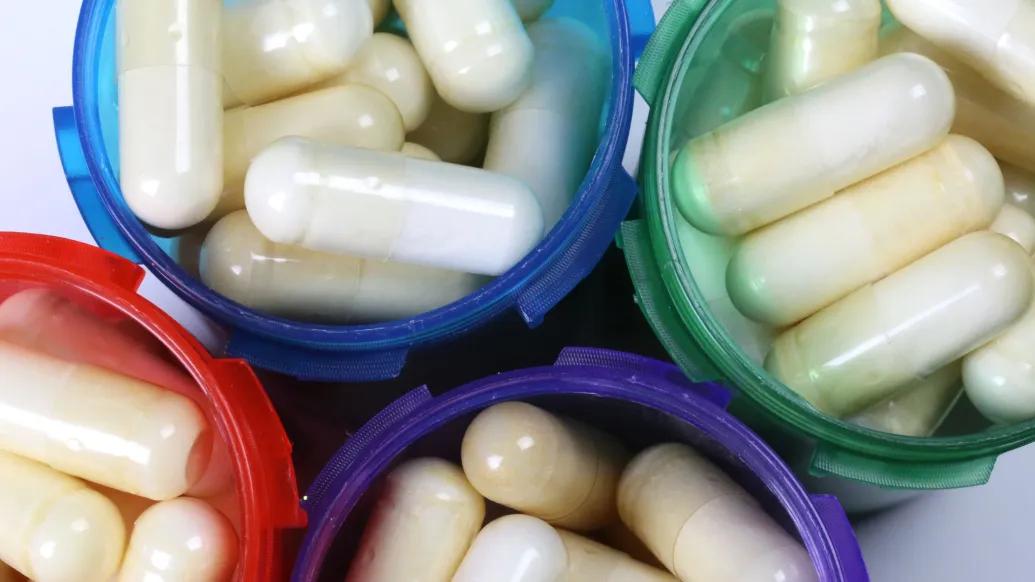
New research finds that probiotic supplement use has surged in the United States, while the consumption of microbiome-supportive foods has remained virtually unchanged.
According to a study published in Clinical Gastroenterology and Hepatology, the consumption of probiotic supplements increased 287% among adults from 2009-2023 and 786% among young people (less than 20 years old).
Over the same span, fiber intake did not meaningfully change, while the average consumption of high microbial foods rose slightly.
“We have known that probiotic supplement use is increasing across all ages, but this is the first time we have looked closely at it in relation to other microbiome-focused health behaviors,” said Kira L. Newman M.D., Ph.D., Clinical Assistant Professor of Internal Medicine at the University of Michigan Medical School and lead author on the paper.
“Dietary fiber and fresh produce have well-established health benefits for the gut microbiome. However, our findings suggest that people are not making changes to what they eat, even though an increasing number are concerned enough about their microbiome to take a probiotic supplement.”
The study authors used data from the National Health and Nutrition Examination Survey.
From 2009 to 2023, the proportion of people under 20 taking a probiotic rose from 0.63% to 5.58%.
Among people over 20, the percentage increased from 1.8% to 6.96%.
Probiotic supplement users were found to consume more foods high in microbial quality and fiber content than non-users.
Researchers add, however, that these beneficial diet habits may be decreasing, even among probiotic users, as supplements are potentially used as a substitute for higher-quality diets.
Probiotic supplement use increased dramatically after 2014 despite official guidelines suggesting limited benefits.
The study authors note a variety of health benefits associated with high microbial foods.
They emphasize that these benefits are not necessarily related to microbial content.
“A diet with plenty of vegetables, fruits, legumes, and whole grains provides not just fiber, but also a wealth of other beneficial vitamins, minerals and plant-derived compounds,” Newman said.
“This helps support a diverse range of beneficial gut microbes. Prebiotic supplements alone do not contain the same variety or richness. It’s like picking one color out of a rainbow.”
The study authors hope these trends will highlight the need for more public health campaigns on the importance of diet in fostering microbiome health.
Additional authors: Allen A. Lee, M.D., M.S.; Prashant Singh, MBBS; John Y Kao, M.D.; William D. Chey, M.D.; Peter D.R. Higgins, M.D., Ph.D., MSCR
Tech transfer(s)/Conflict(s) of interest: KLN consults for Takeda and has research support from Pfizer. AAL consults for GSK and Atmo Biosciences. WDC consults for Ardelyx, Atmo, Gemelli, Phathom, Redhill, Salix, Vibrant; research support from Commonwealth Diagnostics, NIH, FDA, Salix; stock options in Coprata, Evinature, Food Marble, Isothrive, Kiwi Bioscience, Modify Health; patents for My Nutrition Health, Digital Manometry, Rectal Expulsion Device. PDRH consults for AbbVie and Curacle. PS and JYK have no conflicts to disclose.
Paper cited: “Increases in Probiotic Supplement Use Exceed Microbiome-Focused Dietary Changes in US Adults and Children,” Clinical Gastroenterology and Hepatology. 10.1016/j.cgh.2026.08.029
Sign up for Health Lab newsletters today. Get medical tips from top experts and learn about new scientific discoveries every week.
Sign up for the Health Lab Podcast. Add us wherever you listen to your favorite shows.

Health Lab
Explore thousands of health news & research stories by visiting the Health Lab homepage for more.
Media Contact

Public Relations
Department of Communication at Michigan Medicine
In This Story

Kira L Newman, MD, PhD
Clinical Assistant Professor
Stay Informed
Want top health & research news weekly? Sign up for Health Lab’s newsletters today!
Featured News & Stories

Comprehensive DNA sequencing reveals hidden drivers of cancer

‘Molecular glue’ stabilizes protein that inhibits development of non-small cell lung cancer and uterine cancer

Many older adults make Medicare decisions quickly and most don’t change plans, poll finds
What’s the latest on 7-OH and kratom availability and addiction care?

A metabolic “switch” that could help reset scar-producing cells in scleroderma