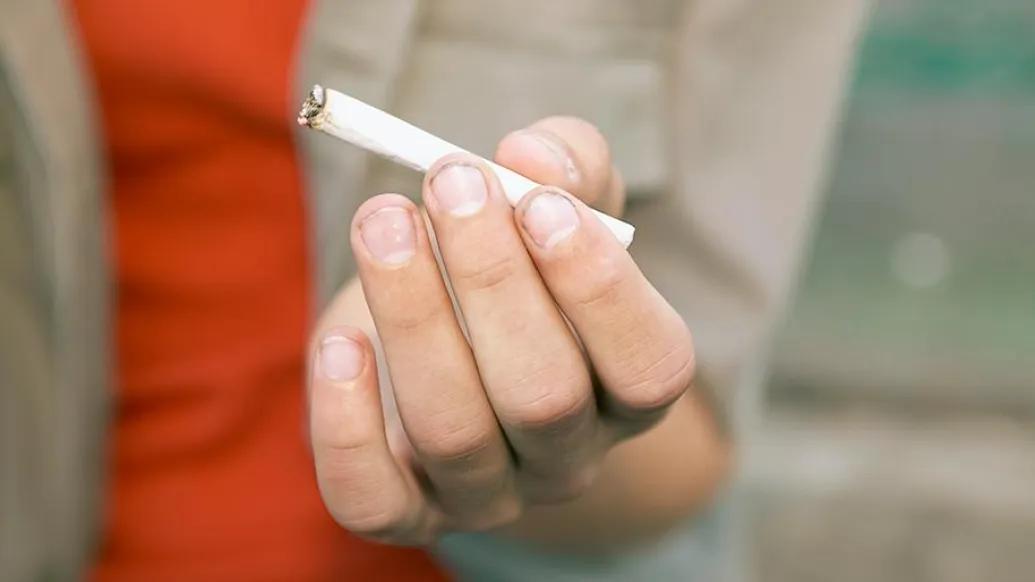
Many teenagers experiment with marijuana. 29.7 percent of 10th graders and 44.5 percent of 12th graders have tried marijuana, with nearly 22.5 percent of 12th graders reporting that they have used marijuana in the past month and 6 percent reporting daily use.
Fortunately, parents can play an important role in teaching children about the risks associated with marijuana and other drugs.
What is marijuana?
Marijuana comes from the plant Cannabis Sativa. Marijuana is most commonly used by smoking the dried leaves and flowers in rolled paper (joints). Sometimes cigars are hollowed out and filled with marijuana and smoked (blunts). It can also be inhaled from pipes or water pipes (bongs) or from vaporizers. It can be taken orally mixed with food or drinks (edibles).
The concentration of marijuana strains has tripled from the 1980s to 2012, from about 4 percent to 12 percent. Today’s marijuana is much more potent than in past decades and potentially more risky for users.
Why is marijuana bad for teens?
Research shows that the brain continues to develop significantly during teen and young adult years. Many of the concerns about marijuana use in teens are regarding potential impacts on learning, development, and safety.
- Impaired brain function: Regular use can impair memory, attention, and ability to plan, all of which interfere with learning. Frequent use in the early teen years can lower IQ and, even if marijuana use is discontinued, the effects on cognitive functioning can persist.
- Addiction: Marijuana is an addictive substance and use at younger ages is tied to higher risk of addiction. After stopping use, withdrawal symptoms can include increased irritability, anxiety, restlessness, difficulty sleeping, low appetite, stomach pain, headaches and shakiness.
- School and social impacts: Regular marijuana use is associated with poorer school performance, increased absences, increased risk of dropping out, and greater risk of involvement with the legal system. Even in states that allow adult recreational use, use for those under 21 is still illegal.
- Safety: Reaction time, judgement, coordination, and problem-solving can be altered under the influence of marijuana. These effects help to explain the increased risk of driving accidents and other unintentional injuries in teens using marijuana.
- Mental health impacts: There are worrisome links between marijuana use and the development of mental health disorders including psychosis and depression.
Medical uses of marijuana
Research into therapeutic uses of the active compounds in marijuana (cannabinoids) have shown beneficial effects in certain symptoms such as decreasing nausea and increasing appetite in people undergoing chemotherapy, and in helping with chronic nerve pain syndromes.
CBD products have become more popular in recent years. Some have suggested these products for treatments of anxiety, insomnia, PTSD or chronic pain as stated above. Dronabinol is the only cannabinoid product approved in the pediatric population, and its use is for nausea and vomiting related to chemotherapy treatments. CBD products are not regulated by the FDA and varying compositions have been found in products that don’t always match the exact amounts on the labels. CBD products can also have cross-contamination with THC, which can lead to side effects and positive drug tests.
To date, most research into medical uses of marijuana has focused on adults. Research with the teen population is limited, but there is some evidence for benefit of cannabinoids in the treatment of difficult to treat seizure disorders and for side effects from chemotherapy.
Signs of marijuana use
Consider marijuana or other drug use if your teen:
- Loses interest in long-standing hobbies/activities
- Has slipping grades, is showing up late for school or skipping classes
- Spends less time than usual with friends and family and more time alone
- Smells of marijuana
- Has a dramatic change in personality, appearance, or friend group
- Comes home high (blood shot eyes, giggly, talkative) or goes straight to their room
- Possesses drugs or drug paraphernalia
- Buys items with pro-marijuana messages/symbols
Some of these signs are vague and may end up being related to other issues such as mood problems, learning, or social difficulties. However, any issue that is causing a negative impact on relationships or school functioning is worth investigating.
What parents can do to prevent marijuana use in teens
Parents have a powerful role to play in influencing their child’s attitudes and behaviors around marijuana and other drug use.
- Engage in conversations about marijuana (TV shows, news headlines, or peer use can provide an opportunity for discussion). Encourage questions and listen to your teen’s opinions, experiences and concerns. You don’t have to have all the answers–you can look up information together. Express concerns that you have about teen marijuana use.
- Set clear family rules and expectation. Let your teen know that you expect they will not use drugs or ride in cars with anyone under the influence. Have clear rules about curfew. Make a point of knowing where your teen is and communicating with their friends’ parents about plans. Having a network of parents involved in oversight can be very helpful.
- Help teens prepare for handling peer pressure. Talk about potential tricky situations teens might find themselves in and think through different ways to handle those situations. Consider having a code word that teens can text you anytime they are in an uncomfortable or potentially dangerous situation that means “please come pick me up and provide me with an excuse to get out of here.”
- Help your teen learn skills to cope with difficult emotions. .There will be difficult experiences and emotions during adolescent years and it is a time when people develop their coping strategies. Sometimes there are unhealthy strategies that may help in the moment—like drug use or self-harm behaviors—but overall will create more stress and difficulties. Modeling and discussing healthy strategies for coping with sadness, disappointment, anger, anxiety, and rejection can help teens develop beneficial life-long habits. Help your teen figure out what helps bring them joy and relaxation so they can turn to and practice these approaches. Examples could include connecting with and talking to friends/family, music, physical activity, meditation or mindfulness techniques, religious practices, journaling, or getting out into nature.
- Set a good example. Even more than doing what you say, teens will often do what they see. This pertains to many habits and behaviors including drug use and stress management. Avoid using tobacco and illicit drugs and minimize alcohol use. Model safe driving using seat belts, never driving under the influence, and avoiding cell phone use while driving. If you do use marijuana, avoid using it in front of your children and keep any marijuana products in an inaccessible place. Model healthy ways of coping with stress.
- Get help from your teen’s physician or a local program when you have concerns about her/his mood or behavior. Express those concerns to your teen and let a physician or other professional help you to assess the situation.
Reviewed by Sydney Ryckman, MD
March 2023

Health Lab
Explore thousands of health news & research stories by visiting the Health Lab homepage for more.
Media Contact

Public Relations
Department of Communication at Michigan Medicine
Stay Informed
Want top health & research news weekly? Sign up for Health Lab’s newsletters today!
Featured News & Stories
Back-to-school anxiety: 6 ways to fight the fear
Safe sleep for babies

Navigating Mental Health Resources
10 Tips for New Parents
Croup