Many young adults may not be ready to manage their own health care
1 in 6 parents say their 18-to-25-year-old doesn’t independently handle any basic health care tasks needed to navigate the health care system
7:37 AM
Author |
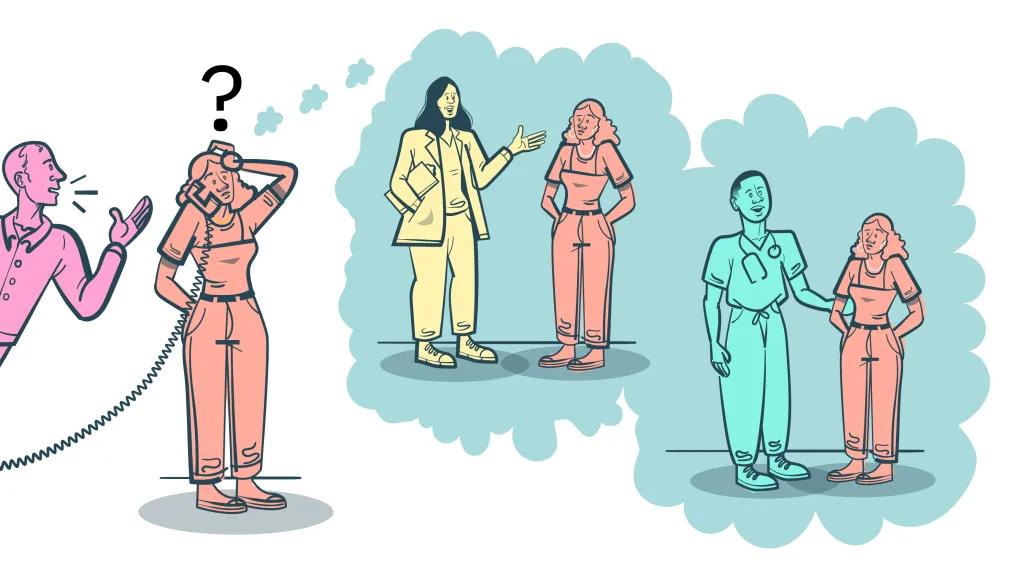
Many young adults may be entering adulthood without the practical skills needed to manage their own health care, suggests a new national poll.
Nearly one in six parents said their young adult child aged 18-25 doesn’t handle any basic healthcare responsibilities on their own – from scheduling appointments to providing family history – according to the University of Michigan Health C.S. Mott Children’s Hospital National Poll on Children’s Health.
“Our report highlights an important transition that many families may not be fully preparing for,” said Mott Poll Co-Director Sarah Clark, M.P.H.
"Turning 18 changes who is legally responsible for health care decisions, but healthcare independence doesn't happen overnight. Young people need practice talking to providers, setting up appointments, learning about insurance and managing their own care.”
While most young adults communicate with health care providers during appointments and follow medical instructions, far fewer independently schedule appointments, determine when they need medical care or manage key aspects of navigating the health care system.
Parents most often attributed the gap to a lack of knowledge about what to do and not enough experience.
Fewer said their child wasn’t mature enough or didn’t want to take responsibility.
“Parents don't have to hand over responsibility all at once,” Clark said.
"The goal is to gradually shift routine health care tasks to teens so they gain confidence, make informed decisions and build these skills over time.”
Still, more than half of parents rated themselves highly for preparing their child to take responsibility for their health, according to the nationally representative report based on responses from 1,550 parents with at least one child ages 18-25 surveyed in February.
Parents who rated themselves as less successful in preparing their child for health care independence were substantially more likely to report that their young adult didn’t handle any of the basic health care tasks and to identify unhealthy lifestyle habits as a concern.
Parents worry most about everyday health habits
Parents polled said they’re more concerned about their young adult’s lifestyle habits than chronic health conditions.
More than half identified excessive screen time as a current or potential health problem for their young adult, while roughly four in 10 cited stress, insufficient sleep, unhealthy eating habits and lack of physical activity.
Two in five parents also view the cost of maintaining a healthy lifestyle as a problem for their young adult child.
Clark says parents have many opportunities to prepare teens and young adults to manage their health, such as involving their child in grocery shopping and meal planning, encouraging exercise and limiting screen time.
“Teaching teens and young adults to make healthy choices is key to setting them up for a healthier future,” she said.
The Mott Poll findings also suggest that parents have had the most success preparing their young adult children to take an active role during health care visits.
This could include encouraging teens and young adults to schedule appointments, complete their own medical forms, understand their health insurance and communicate directly with providers.
Eventually, Clark notes, parents won’t be able to access their child’s medical record or necessarily have the ability to talk with the provider without the teen's permission.
Some parents polled also cited their young adult child’s mental health or chronic medical conditions as a cause of current or potential health problems.
For these parents, Clark says, it’s particularly important to ensure that their child understands the nature of their condition, the names of their medications and how to obtain their prescriptions, the frequency of visits to monitor their condition and what alleviates or triggers their symptoms.
“Starting this education early is the best way to help kids be prepared to manage their own health once they become adults,” Clark said.
Sign up for Health Lab newsletters today. Get medical tips from top experts and learn about new scientific discoveries every week
Sign up for the Health Lab Podcast. Add us wherever you listen to your favorite shows

Health Lab
Explore thousands of health news & research stories by visiting the Health Lab homepage for more.
Media Contact

Public Relations
Department of Communication at Michigan Medicine
In This Story
Sarah J Clark
Research Scientist
Stay Informed
Want top health & research news weekly? Sign up for Health Lab’s newsletters today!
Featured News & Stories

When should parents stop tracking their kids' location?
Pain, psychological factors and physical function closely linked in people with systemic sclerosis

Many hospitals still don’t do enough to prevent UTIs from catheters

Rural-urban disparities in head and neck cancer

Study outlines a new framework for direct cell reprogramming