Intuition pushed mom to keep checking for breast cancer
There was no reason Jessica Morschakov should have had cancer. But instinct nudged her to find out for sure
10:00 AM
Author |
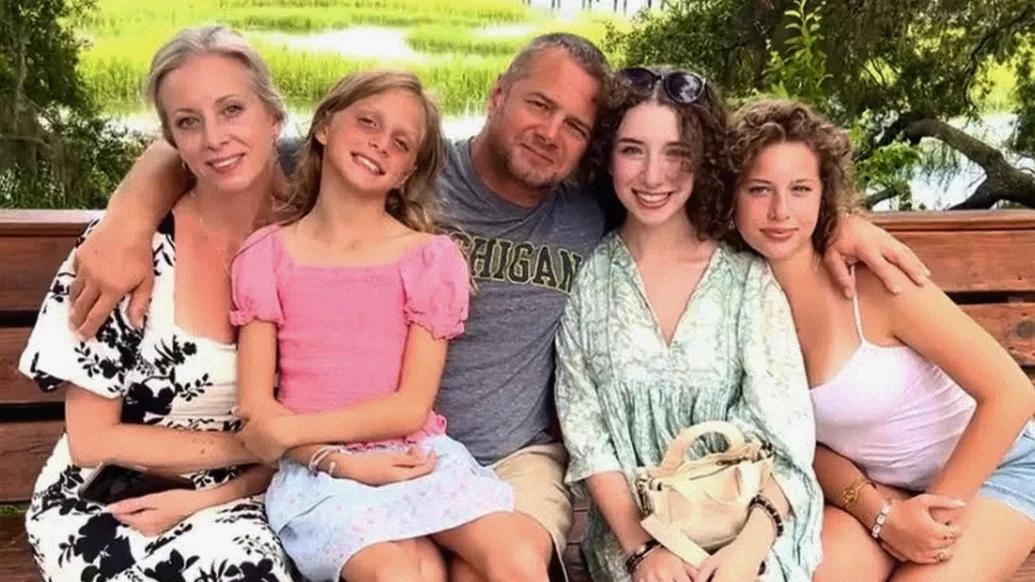
The pain started in her dreams.
At first, Jessica Morschakov wasn’t sure if she imagined the burning sensation shooting down her left side, or if it was real. In her REM state, her brain would conjure up an image of herself asleep in bed, just as she was, but there was this strange fire in her body.
Dream Jessica would say to herself, “You have cancer. There’s something wrong. You have cancer.”
Then the 41-year-old would wake up, sweating, disoriented by how lucid it all felt.
At first, Jessica attributed the phenomenon to stress. She was finishing her undergraduate degree in sport management at the University of Michigan while parenting three children. Exams were around the corner, so the pressure had to be getting to her. Plus, it seemed, if not impossible, highly unlikely that she’d have cancer. She was a former professional ballerina who had always been healthy and fit, with no family history of the disease.
But after about a month of these repetitive dreams, that same fiery, burning feeling started showing up on her left side during the day too.
“Wow, you’re really losing it," Jessica kept thinking, "but maybe there’s something going on here."
Turns out her latter instinct was right. A mammogram and a few diagnostic tests later, Jessica was diagnosed with ductal carcinoma in situ (DCIS), or stage 0 breast cancer, where the cancer cells are still contained in the milk duct and haven’t spread to the surrounding breast tissue.
The next year would throw other surprises Jessica’s way, with more treatments than expected and complications that made the process of recovering from cancer even more difficult. But her intuition — and that of the people in her social and medical circles — continued to help her answer the questions that circulated in her head.
“If there would be a slogan for each person, her slogan would be something about smart strength,” said Jessica’s husband, Nikolai. “Because she has two very important traits: She’s smart, and she’s very strong.”
What are we going to do?
If a nurse hadn’t taken Jessica’s concerns seriously, it’s possible her breast cancer diagnosis could have been missed or, at the very least, delayed.
When Morschakov’s shooting pain moved to her waking hours, she called her OB-GYN. At that office, Michigan Medicine advanced practice nurse Jodi Spiegelberg, N.P., did a physical exam and didn’t find anything of note, but she ordered a mammogram and some additional diagnostic tests.
“It was really nice that she didn't just write me off,” Jessica said. “I've heard from other women that doctors will be like, ‘Oh, you're fine, everything's OK.’ But Jodi was like, ‘It doesn't hurt to add in a few extra scans.’ ”
Still, the likelihood that the scans would come back suspicious was low; Jessica was even joking around with the radiology team during the tests. It wasn’t until they asked her to come into another room to have a further discussion that doubt crept into her mind.
“That day, I freaked out,” Jessica said.
That reaction, however understandable, seemed to be the exception for Jessica.
“I remember her being extremely calm actually,” said Tasha Hughes, M.D., M.P.H., Clinical Associate Professor of Surgery at Michigan Medicine and the surgical oncologist at the U-M Health Rogel Cancer Center, who worked with Jessica. “Quite matter of fact, goal oriented, practical—like, ‘How are we going to handle this?’”
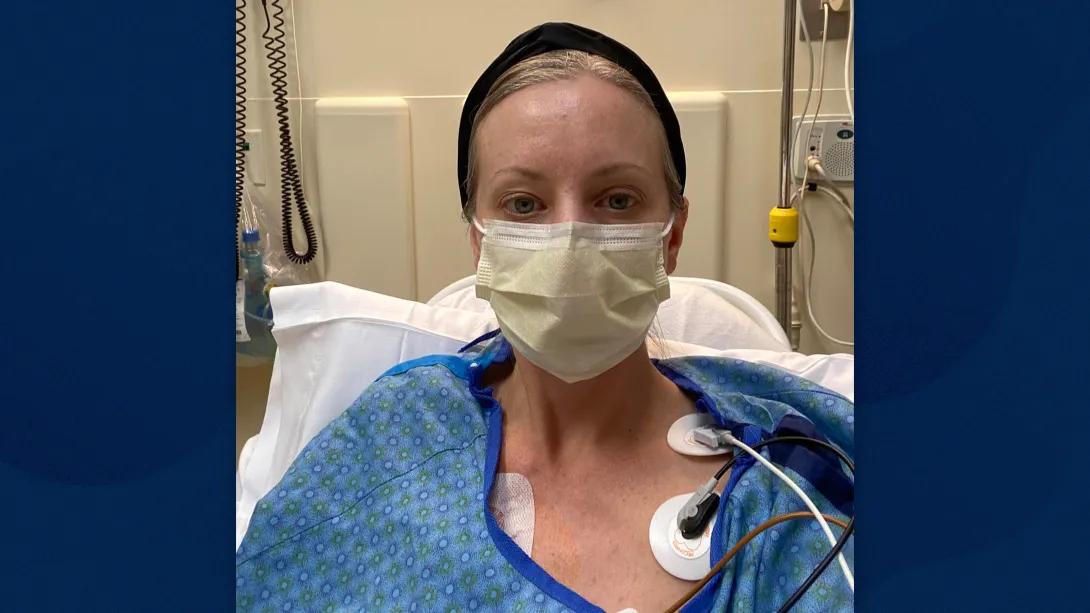
“That was the first time I felt like I didn't have control over my life, where I couldn't plan or organize things and, for me, that was really hard,” Jessica said. “But there was also this weird feeling of: I don't have control over the situation, but I can control how I'm going to approach the situation. I trusted my medical team that they know what they’re doing. That gave me comfort.”
Jessica’s diagnosis is not a rare occurrence; Hughes said she sees female patients in their early 40s who’ve been diagnosed with cancer based on their first mammogram about once a month.
“I’m looking at Jessica’s birthday right now, and she’s a year and four days younger than me,” Hughes said. “My job in the first 90 seconds of interacting with a patient is to read the room and meet people where they are and, in this case, this is like a woman I know. This is a friend I spend time with. It’s humanizing in a way that makes me a better doctor because it’s very palpable and tangible: This could be me on the other side of the conversation.”
A lumpectomy was scheduled for the last week of August 2023, right as Jessica was starting a master’s program at the U-M Gerald R. Ford School of Public Policy.
She expected the surgery to be the worst of it. Yet during the operation, Hughes found not DCIS but invasive cancer that was HER2-positive — meaning a specific protein on the breast cell was growing uncontrollably, producing a more aggressive tumor. It would require additional treatment, including chemotherapy.
Jessica was driving when she got the call from Hughes’ nurse. “What do you mean?” she kept saying into the phone.
“It would not click in my brain,” Jessica said. “Knowing that I’d need to have chemo, that I wouldn’t be back to normal in a couple of weeks, made it feel more real.”
That day, she took the time to feel sorry for herself. But afterwards, her planning oriented brain kicked back into gear.
“As much as she was emotional,” Nikolai said, “she wasn't letting her emotions dictate what to do.”
“OK,” Jessica recalls saying to herself. “What are we going to do?”
What kind of role model will I be?
Step 1: Tell her three children.
Step 1.5: Try to keep life as normal as possible to reduce their fear.
Jessica’s two oldest kids were from her first marriage and had no contact with their biological father. Even though Nikolai had adopted them, the threat of losing their mother was a lot to handle, Jessica said.
“Sometimes I probably pushed myself harder than I should have,” Jessica said. “But if the first grader wanted to have a birthday party with her entire class, we were going to do it. My best friends came in to help me cook Thanksgiving because the tradition is that I'm always the one who hosts it. Having my kids feel like everything was OK — even if there were days where Mom was going to be tired or not able to do things — and life was still continuing was really important to me.”
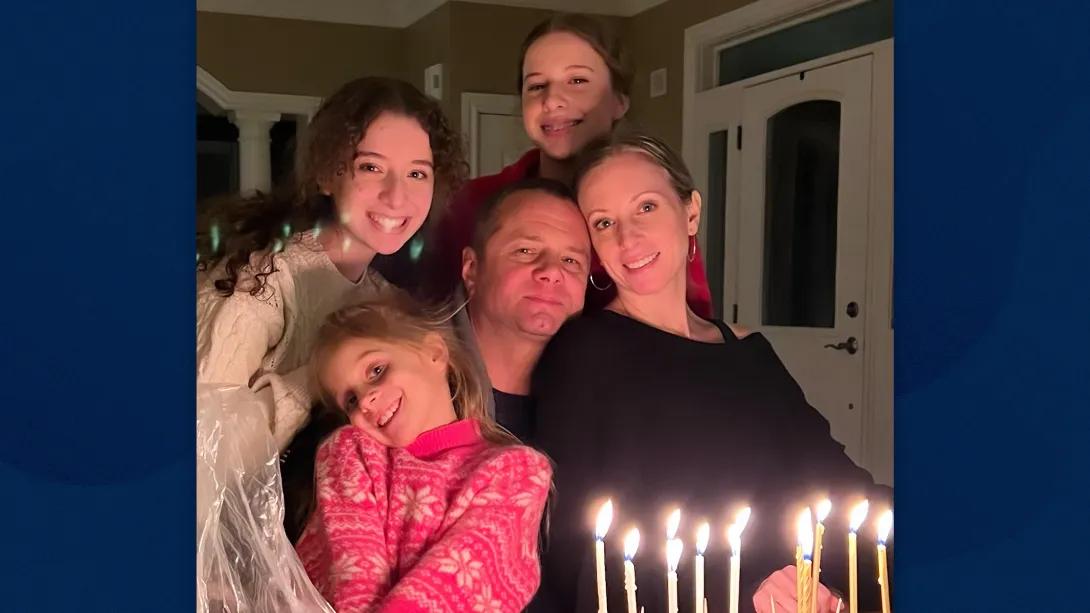
That effort at normalcy also influenced Jessica’s decision to wear a cold cap, a head covering that cools the temperature of the scalp to reduce hair loss during chemotherapy.
“As long as Mom had hair, Mom didn’t look sick,” Jessica says of her children’s thoughts at the time.
Every Friday, when she had chemotherapy, Jessica would put the device over her head, shivering from the extreme cold and gritting through the painful pressure of the cap.
“She gets cold very easily,” Nikolai said. “Even in the warmest month, she would have to wear something. Every single time with the cold cap, I was trying to make this work for her, but it was just…”
He pauses, choked up.
“I’m getting emotional,” he said. “It was so hard to see how she was struggling. But she did it. We were supporting her, but really it was her. She has this natural strength that many people don’t have.”
Jessica says her support network was critical to her success. The firehouse where Nikolai worked made sure his shift was covered on Fridays so he could be with her during treatment. On days she didn’t have chemo, her husband got her up and moving, going on regular walks with him. A cousin who’d also had breast cancer gave her the rundown ahead of time on what she might need help with, like laundry and cooking, so Jessica’s organization-loving brain could strategize.
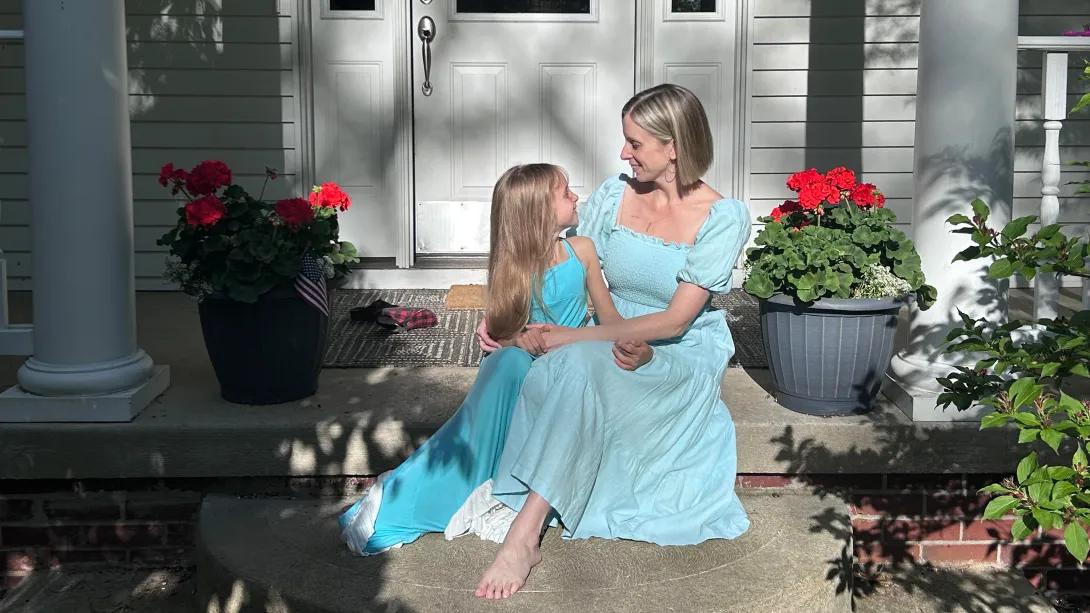
And her leadership coach, a perk for all of the Ford School’s graduate students, helped her stay in touch with her own values and intuition.
“The thing about going through a major disease is you start to think about legacy earlier than other people,” said Natalia Vayner-Heyraud, Jessica’s leadership coach. “When you're young and everything's going great, you're not necessarily thinking about what you want to leave behind you. With something like this, there are often a lot more thoughts of, ‘What kind of role model do I want to be for my children?’ That was the case for Jessica. Her kids were constantly in her mind in terms of legacy.
“The cancer was there, but it wasn’t the main subject,” Vayner-Heyraud continued. “It was, ‘Where can I put my talents to the best service of others? And how can I give myself more grace instead of driving myself so hard that I'm no longer of any help to anyone?’ It was really about, ‘How do you know where the right place to focus is? How do you know what the right thing to do is? How do you listen to your head, to your gut, to your heart?’”
Line between quality of life and treatment
These questions became even more relevant when Jessica started having allergic reactions to some of her treatments.
At first, it was a really bad version of chemo rash, a bumpy skin irritation that’s a common side effect of the harsh chemotherapy infusions. But when Jessica’s lips and ears started to swell, her medical oncology team at Rogel decided the benefit of the chemo wasn’t worth the drawbacks, especially given Jessica had stage 1 cancer and not a more advanced disease.
She had also started infusions of Herceptin, a prescription medication that blocks the HER2 protein and helps slow or stop cancer growth. But by the spring, she was having allergic reactions to that too, and her team discontinued that course of treatment.
“I think we just should stop because we could actually make you worse,” she remembers a provider saying. “At some point, we have to say, ‘Where's that line between quality of life and treatment?’ ’’
(Jessica did have radiation treatment, which she says was “a walk in the park” in comparison to the infusions, with no problems or pain.)
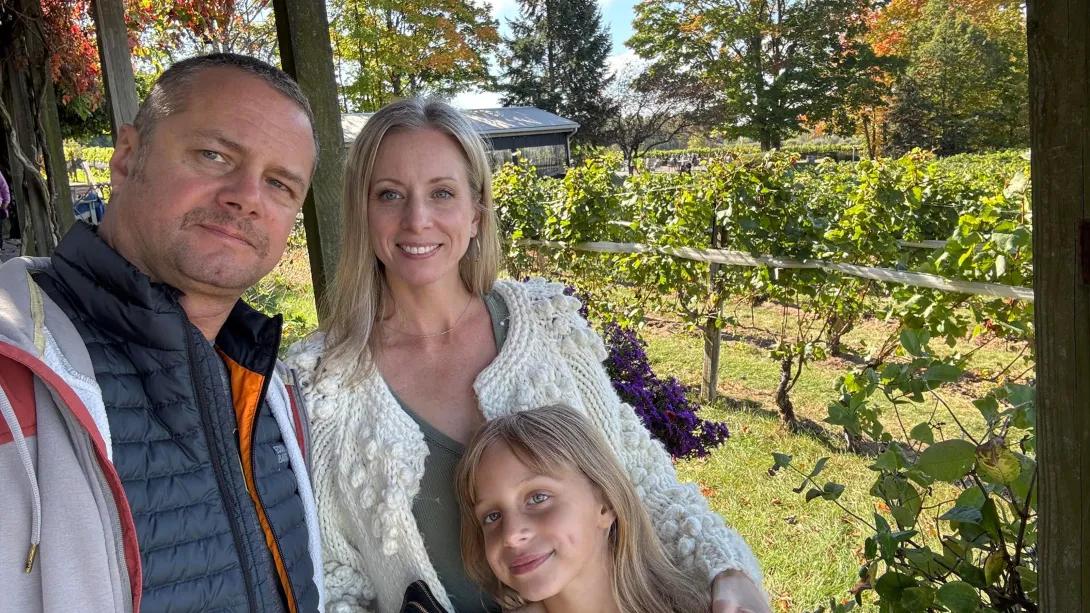
When Jessica was diagnosed, she’d bought a plexiglass block covered in different colored hearts with bold lettering reading, “It’s just a blip!” Artist Kerri Rosenthal had created the artwork in homage to a saying that doctors kept repeating after her daughter was diagnosed with breast cancer at about Jessica’s age.
Jessica looked at the block every morning when she washed her face, every night when she got ready for bed, and every time she was starting to get anxious about the cancer or its treatment.
“It’s such a small thing,” she says, “but it helped me so much.”
How to lead with purpose?
It’s been almost three years since Jessica wrapped up treatment. She continues to be a regular at doctor’s offices, seeing her oncology team in the spring, her OB-GYN team in the summer, and her radiology team in the fall to make sure she’s still cancer free.
Having graduated from the Ford School, Jessica is now back at the U-M School of Kinesiology for a sport management Ph.D., primarily working on consulting projects for her advisor’s research hub, the U-M Center for Sports Venues & Real Estate Development.
“Jessica is an extraordinary individual,” said Vayner-Heyraud, the leadership coach. “There are very few people who've accomplished as much as she has, having done such very different things. She’s such a hard worker. She's taken so much risk in her life. She challenges herself. She's a seeker. And she has this degree of wanting to be of service and wanting to bring something to others.”
That, too, is why Jessica wanted to share her experience of cancer.
“I’ve been trying to find the balance with this,” she said. “I don't want to be like, ‘Hi, I'm the cancer girl,’ but I also think it’s really important for women my age to speak about this. I was physically active. I eat really healthy. I don't eat fast food. I don't even drink pop! I took care of myself, and it still happened. It’s important for women to be aware of that—to go get their mammograms, go to their doctor’s appointments, and look out for themselves.”

Health Lab
Explore thousands of health news & research stories by visiting the Health Lab homepage for more.
Media Contact

Public Relations
Department of Communication at Michigan Medicine
In This Story
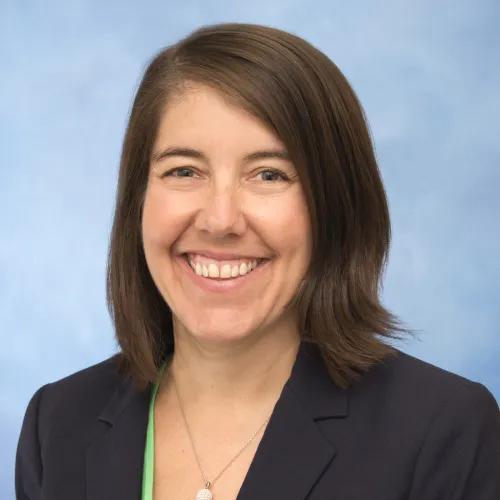
Tasha M Hughes, MD, MPH
Clinical Associate Professor
Related
Study finds nanomedicine targeting lymph nodes key to triple negative breast cancer treatment

Histotripsy can help release HER2 from cancer tumor cells
Stay Informed
Want top health & research news weekly? Sign up for Health Lab’s newsletters today!
Featured News & Stories
Online resources and coaching helped people seek genetic testing for cancer
Comprehensive DNA sequencing reveals hidden drivers of cancer
Rare cancer diagnosis inspires community of support
New oral nanomedicine boosts effectiveness of cancer immunotherapies

Navigating Perimenopause and Menopause